

Save This For Later
World Rhino Day is celebrated on September 22nd, making it the perfect time to learn about these incredible giant mammals. Here are fascinating rhino facts for kids to help curious learners understand these powerful creatures and why they need our protection.
To support rhino conservation, visit rhinos.org.
💡Learn more about wild creatures like rhinos in our ultimate collection of cool and surprising animal facts.
Quick Rhino Facts for Kids
- The biggest rhinos can weigh over 7,500 pounds.
- Rhinos can run up to 34 miles per hour.
- A White Rhino can produce up to 50 pounds of dung per day.
- There are five rhino species, living in Africa and Asia.
- Rhino horns are made of keratin, just like fingernails.
- Three rhino species are critically endangered.
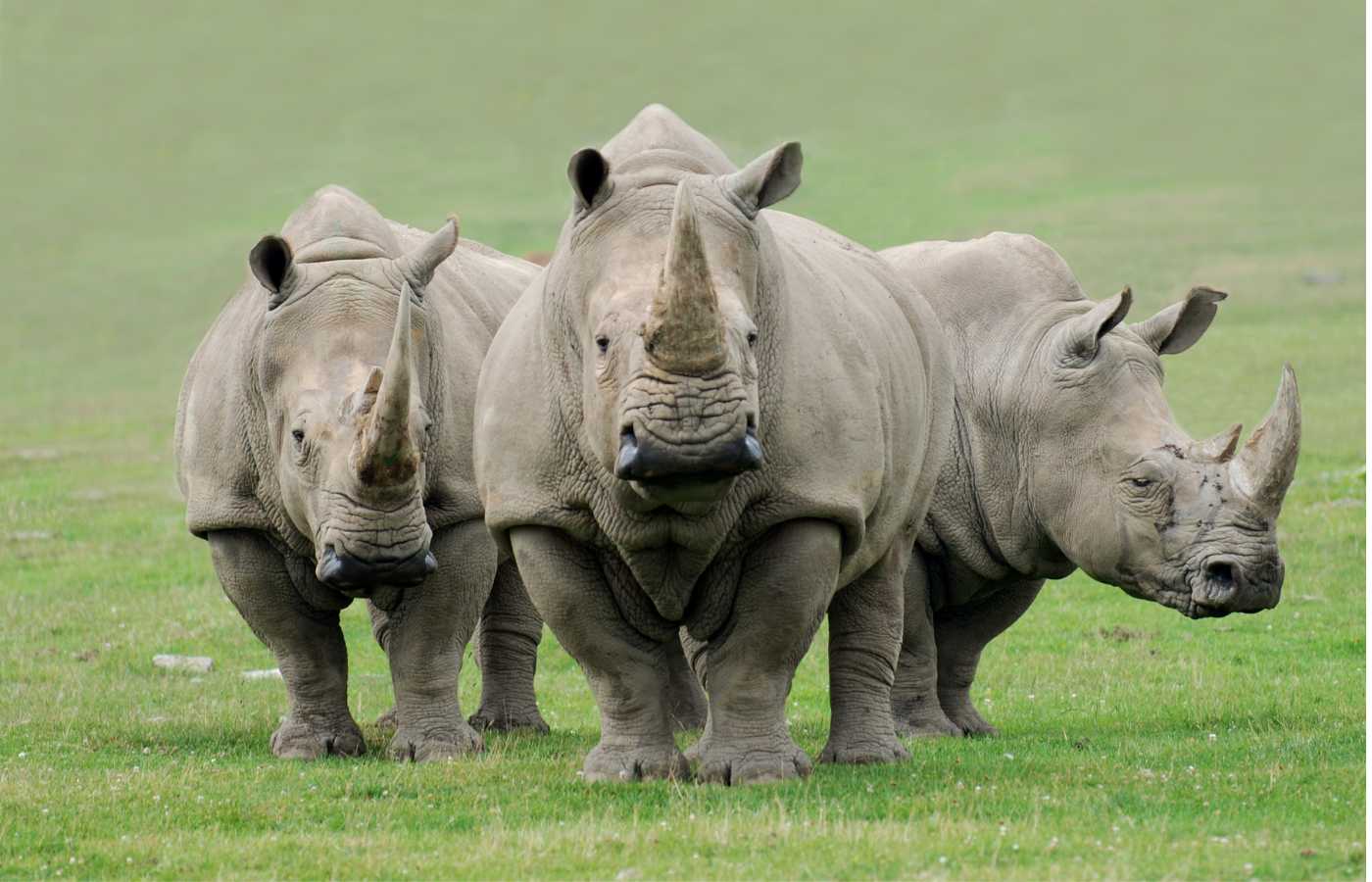
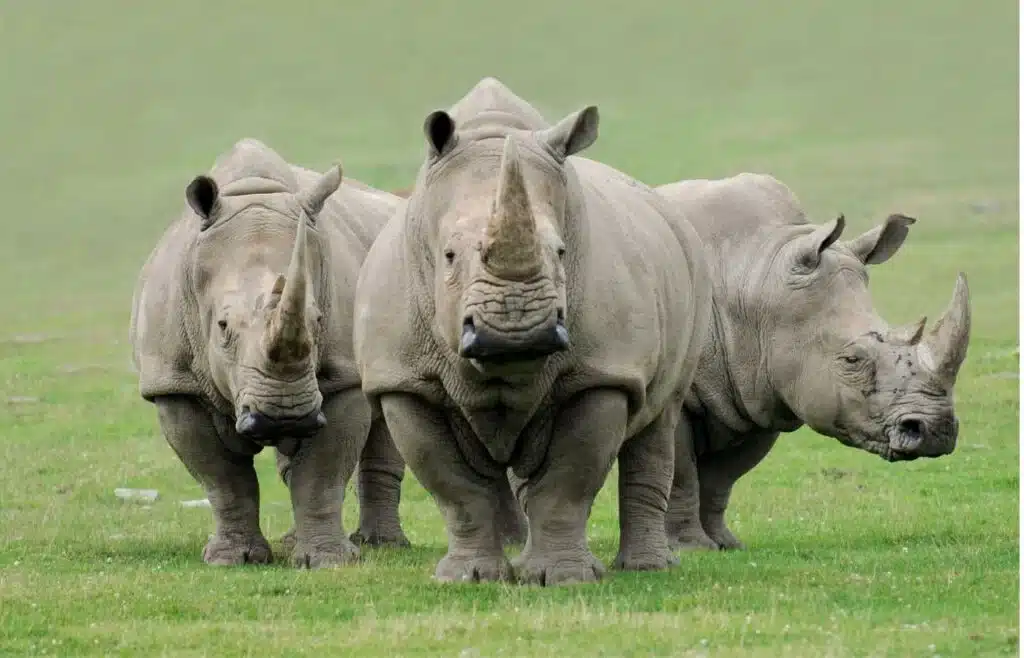
- A group of rhinos is called a crash.
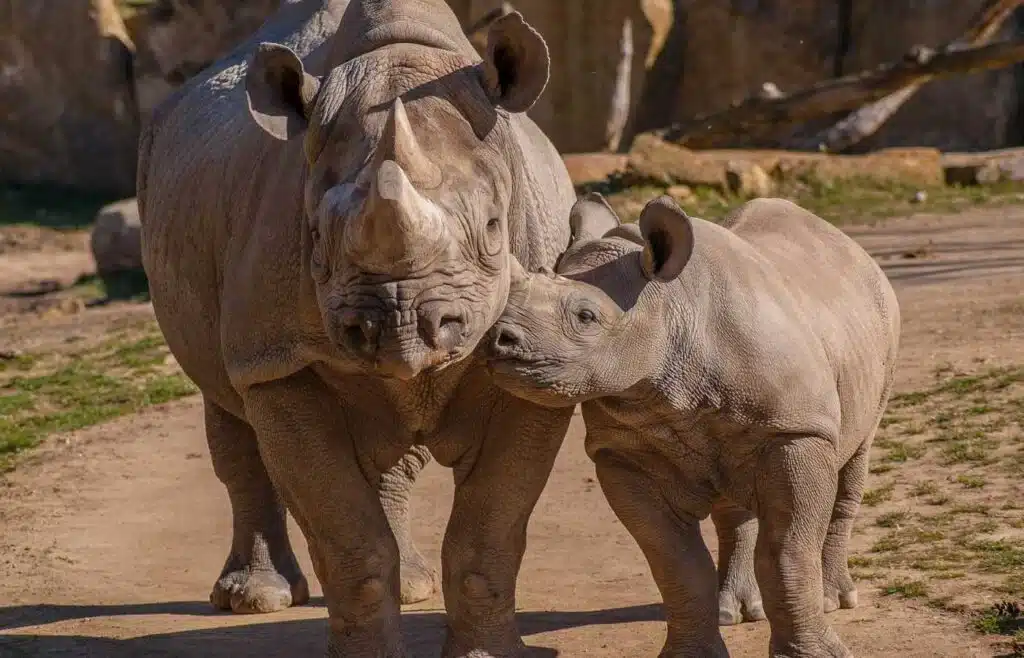
- Baby rhinos are called calves and stay with their moms for about two years.
- Some rhinos swim well (Asian species), while others don’t (African species).
- There are only two Northern White Rhinos left — both are female.
Rhino Size & Strength
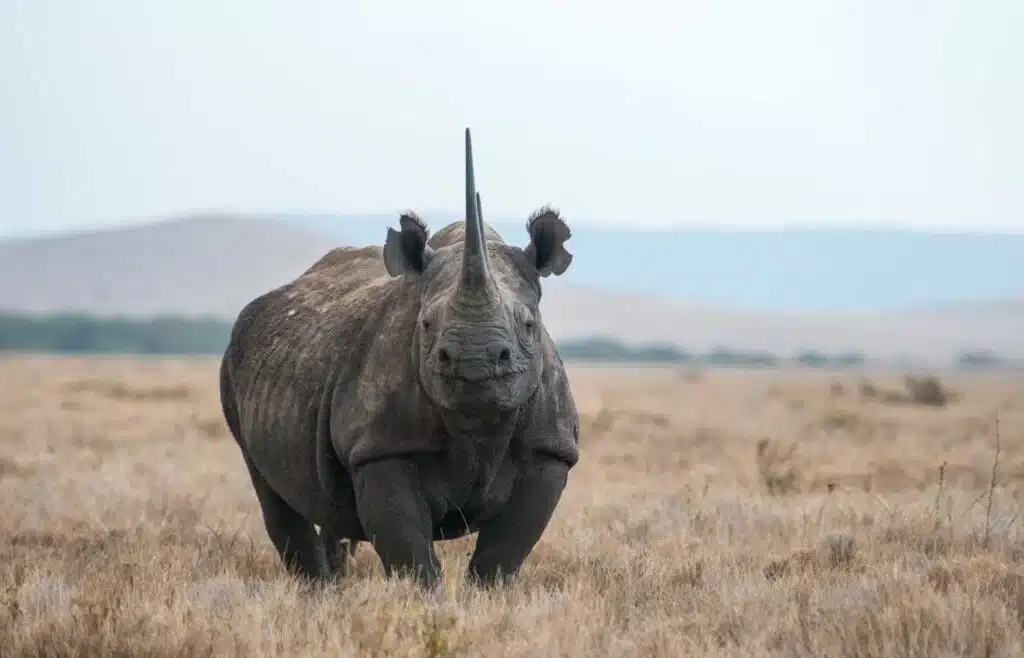
- A rhino’s head can be 2.5 feet long and 1 foot wide.
- White Rhinos can weigh over 7,500 pounds, making them the largest rhino species.
- Sumatran Rhinos are the smallest, yet still weigh 1,300+ pounds.
- White Rhinos are the second-largest land mammal, after elephants. (Dive into our Elephant Facts For Kids to discover amazing elephant trivia!)
- Adult males can be 13 feet long and nearly 6 feet tall.
How Fast Rhinos Can Run
Rhinos can sprint at 34 miles per hour — faster than most humans can run.
Did you know that cheetahs are even faster? Explore their incredible speed in our Cheetah Facts for Kids article.
Rhino Lifespan
- Rhinos live 35–50 years, depending on the species.
Rhino Species
- The name rhinoceros comes from Greek words meaning “nose horn.”
- Five species exist today:
- White Rhino (Africa)
- Black Rhino (Africa)
- Greater One-Horned Rhino (Asia)
- Sumatran Rhino (Asia)
- Javan Rhino (Asia)
- The Sumatran Rhino is the oldest living rhino species, appearing about 15 million years ago.
- Rhinos belong to a group called odd-toed ungulates, meaning they have an odd number of toes.

Rhino Habitat
- Rhinos live in grassy plains, rainforests, savannas, and swamps in Africa and Asia.
- South Africa is home to the largest population of White Rhinos.
Why Rhinos Are Endangered
- Over 7,100 African Rhinos have been killed by poachers in the past decade.
- Rhino horns are illegally used for medicine, weapons, or status symbols.
- The Sumatran, Javan, and Black Rhinos are critically endangered.
- There may be as few as 76 Javan Rhinos and 34–47 Sumatran Rhinos left in the wild.
- The two remaining Northern White Rhinos are both female.
- Javan Rhinos live only in Ujung Kulon National Park in Indonesia, which is near an active volcano and at risk of a future tsunami.
- White Rhinos are considered near threatened, with around 15,942 remaining.
- Greater One-Horned Rhinos are vulnerable, with about 4,014 left.
- Rhinos have no natural predators (except threats to calves). Humans pose the biggest danger.
Sadly, many other species, like white tigers, are endangered too. Read more in our White Tiger Facts for Kids to understand their plight and conservation efforts.

What Rhinos Look Like
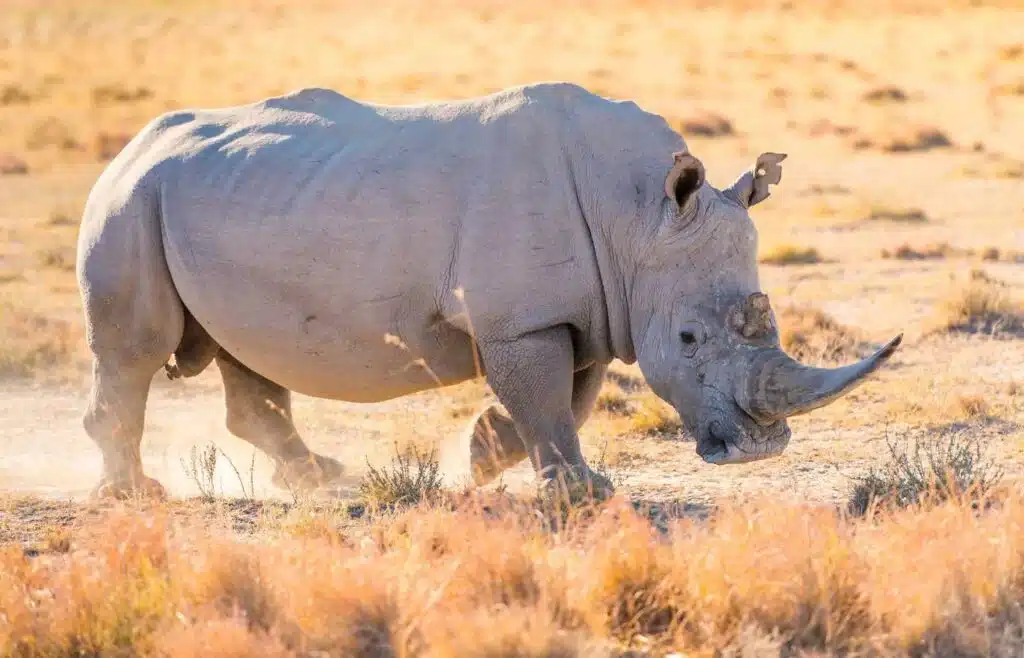
- Black and White Rhinos are actually grey.
- “White Rhino” comes from the Afrikaans word wyd, meaning wide, describing its wide mouth.
- Rhinos have only a little hair on their tails and ears.
Rhino Families
- A male rhino is a bull.
- A female rhino is a cow.
- A baby rhino is a calf.
- Rhino pregnancies last 15–16 months — one of the longest of any land animal besides elephants.
- Calves stay with their mothers for about two years, until the next baby arrives.
- Male and female rhinos usually go separate ways after mating.
- Most adult rhinos prefer to be solitary, though females are more social.
- Males are territorial and mark their territory with dung piles.
- A group of rhinos is called a crash.
Rhino Horn Facts
- Rhino horns are made of keratin, the same material as hair and nails.
- Javan and Greater One-Horned Rhinos have one horn; the others have two.
- Rhino horns grow continuously — the White Rhino’s horn can grow 7 cm per year.
- The longest recorded horn was 4 feet, 9 inches long.
- Horns can regrow, just like fingernails.
- Black Rhinos use their horns during fights.
- Greater One-Horned Rhinos use their sharp teeth, not their horns, to defend themselves.
- Mother rhinos use their horns to protect calves from predators.
How Rhinos Communicate
- Rhinos communicate through growls, snorts, trumpets, sneezes, and even a relaxed “mmwonk” sound.
Monkeys also have complex vocalizations. Learn more in our Monkey Facts For Kids article.
Rhino Senses
- Rhinos have very poor eyesight and cannot see a person from 100 feet away.
- They rely mainly on their strong sense of smell.

Rhino Dung Facts
- A White Rhino can produce up to 50 pounds of dung per day.
- Every rhino’s dung has a unique smell, helping them learn who is nearby.
- Rhinos communicate through their poop and urine.
How Rhinos Behave
- Rhinos love mud baths — it cools them down and protects their skin.
- Asian rhinos are strong swimmers; African rhinos often cannot swim and may drown in deep water.
- Rhinos are easily startled and may charge when they feel threatened, even at trees or objects they can’t see well.
What Rhinos Eat
- Rhinos are herbivores, eating mostly grass and leaves.
- White Rhinos may eat up to 120 pounds of grass each day.
Amazing Rhino Trivia
- Oxpeckers (or “tick birds”) perch on rhinos and eat insects on their skin.
- Rhinos have relatively small brains, but they are still intelligent.
- A fossil in Austria was once mistaken for a dragon skull — it was actually a woolly rhino!
Frequently Asked Questions About Rhinos
Some species are extinct, and some are endangered.
– Only two Northern White Rhinos remain.
– Javan and Sumatran Rhinos are among the rare-most animals on Earth.
Yes — mostly due to poaching and habitat loss.
Asian rhinos can; African rhinos usually cannot.
No. Like elephants, sloths, and hippos, they are too heavy to jump.
No — their eyesight is poor, but their sense of smell is excellent.
Rhinos are strict herbivores.
In Africa and Asia — mostly in grasslands, forests, and swampy areas.
Keratin, the same material as hair and fingernails.
Digging, defending themselves, breaking branches, and protecting their babies.
Related posts
- 50 Mind-Blowing Monkey Facts Your Kids Will Love
- 100 Mind-Blowing Facts About Elephants
- Emperor Penguin Facts for Kids
- White Tiger Facts for Kids
- Cheetah Facts for Kids
- Grey Wolf Facts for Kids

Calie Herbst, Editor-in-Chief of Milwaukee With Kids, has spent over a decade combining her experiences as a parent of three to create a hub for Milwaukee’s family adventures.
Her decade-long teaching career in Milwaukee Public Schools and academic background, including a Master’s in Teaching from Marquette University and dual B.A.s in Sociology and Spanish from the University of Wisconsin – Madison, fuel her passion for inclusive and engaging family content.
Calie is also a recognized voice in local media, contributing to WISN Channel 12 News, WTMJ Wisconsin Morning News, Fox 6’s Real Milwaukee, and B93.3.
Discover more about Calie’s journey and editorial approach on her About Page and Editorial Policy Page.