

The first week of May is Hurricane Preparedness Week, making it a great time for kids to learn how these powerful storms work. Hurricanes are giant tropical systems known for strong winds, heavy rain, and impressive energy — and understanding them helps make the science a little less scary.
Whether your child is curious about weather, working on a school project, or just loves interesting facts, this roundup breaks hurricanes down in a simple, kid-friendly way. Below you’ll find 50 fascinating hurricane facts that explain how they form, what makes them so powerful, and why they matter.
💡Want to explore more topics? Browse our full collection of fun facts for kids for even more fascinating reads.
Quick Picks: Most Fascinating Hurricane Facts
Before we dive into the full list, here are a few standout facts to give kids a quick overview of what hurricanes are and how they work.
- Hurricanes get their energy from warm ocean water.
- A storm becomes a hurricane when winds reach 74 mph.
- The largest hurricane on record (Typhoon Tip, 1979) was nearly half the size of the United States.
- The eye of the hurricane is calm, but the eyewall is the most dangerous part.
- Category 5 hurricanes have winds over 157 mph.
- A powerful hurricane releases energy equal to 10 atomic bombs every second.
- Slow-moving hurricanes cause more flooding than fast-moving ones.
- Hurricanes rotate counterclockwise in the Northern Hemisphere and clockwise in the Southern Hemisphere.
- Hurricanes in different parts of the world are called typhoons or cyclones.
- Most hurricanes form between June and November, during hurricane season.
What Are Hurricanes? (Basic Facts)
- Hurricanes are giant tropical storms — also known as tropical cyclones — that form over warm ocean water.
- The word hurricane comes from the Taino Native American word Huracan, the God of wind, storm, and fire.
- The Mayan word hurucane means “evil spirit of the wind.”
- Hurricanes produce powerful winds and heavy rain.
- Hurricanes are called different names depending on where they form.
- In the Atlantic and northeastern Pacific, they’re called hurricanes.
- In the western Pacific, they’re called typhoons.
- In the Indian Ocean and South Pacific, they’re called cyclones.
How Hurricanes Form
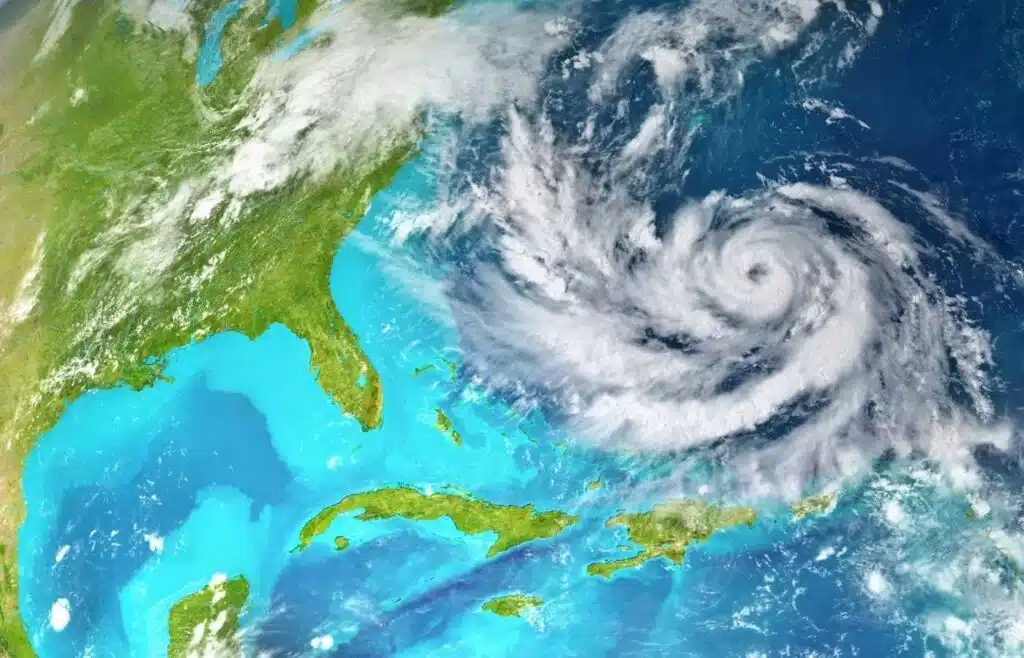
- Hurricanes form when warm, moist air rises from the ocean surface and creates a spinning cycle of clouds and wind.
- If the water is warm enough to keep feeding the storm, a hurricane can develop.
- Hurricanes usually form in warm tropical regions near the equator, such as the Caribbean and Gulf of Mexico.
- Hurricanes rotate counterclockwise in the Northern Hemisphere.
- They rotate clockwise in the Southern Hemisphere — due to the Coriolis effect.
Hurricane Strength & Categories
- A storm becomes a hurricane when its winds reach 74 mph or more.
- Hurricane strength is measured using the Saffir–Simpson Hurricane Scale.
- Category 1 hurricanes have winds from 74–95 mph.
- Category 2 hurricanes have winds from 96–110 mph.
- Category 3 hurricanes have winds from 111–129 mph.
- Category 4 hurricanes have winds from 130–156 mph.
- Category 5 hurricanes have winds 157 mph or higher.
- Roughly three U.S. hurricanes become major hurricanes (winds over 110 mph) every three years.
- Some powerful hurricanes have reached wind speeds close to 200 mph.
- Every second, a large hurricane releases energy equal to 10 atomic bombs.
Parts of a Hurricane
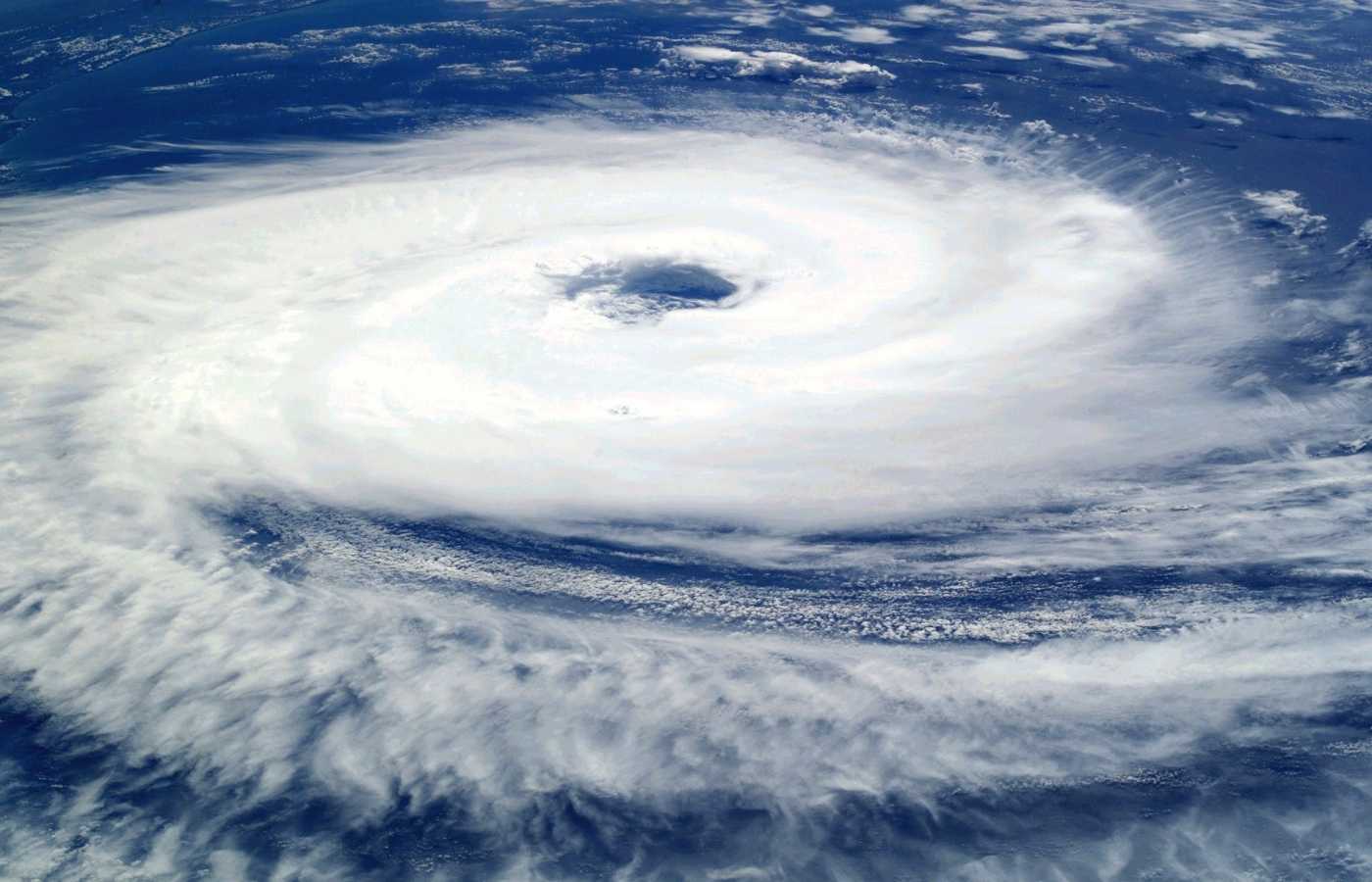
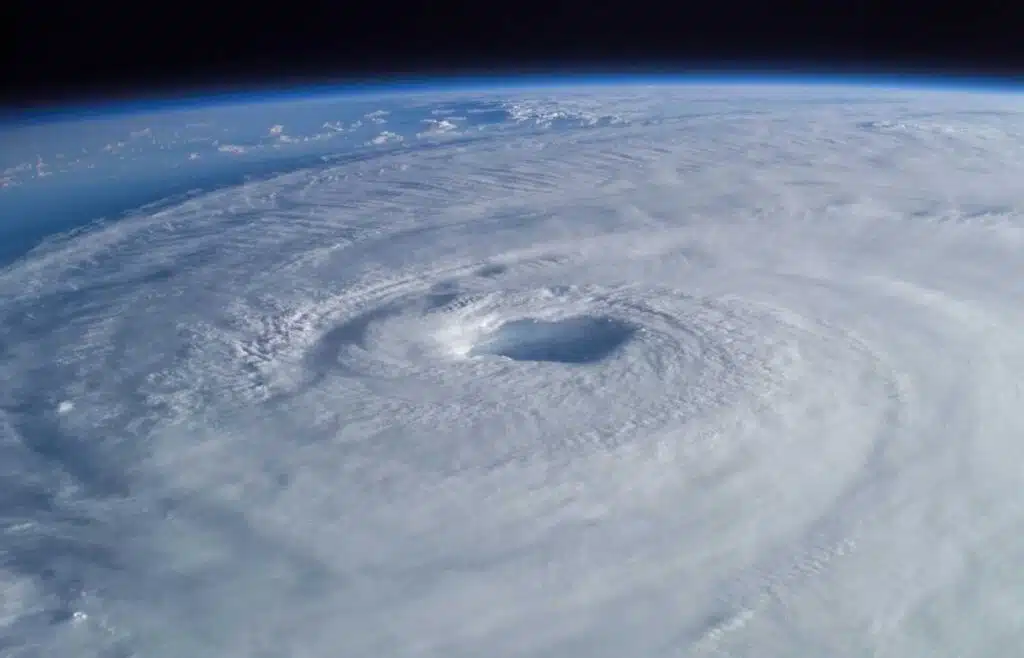
- The three main parts of a hurricane are the eye, eyewall, and rainbands.
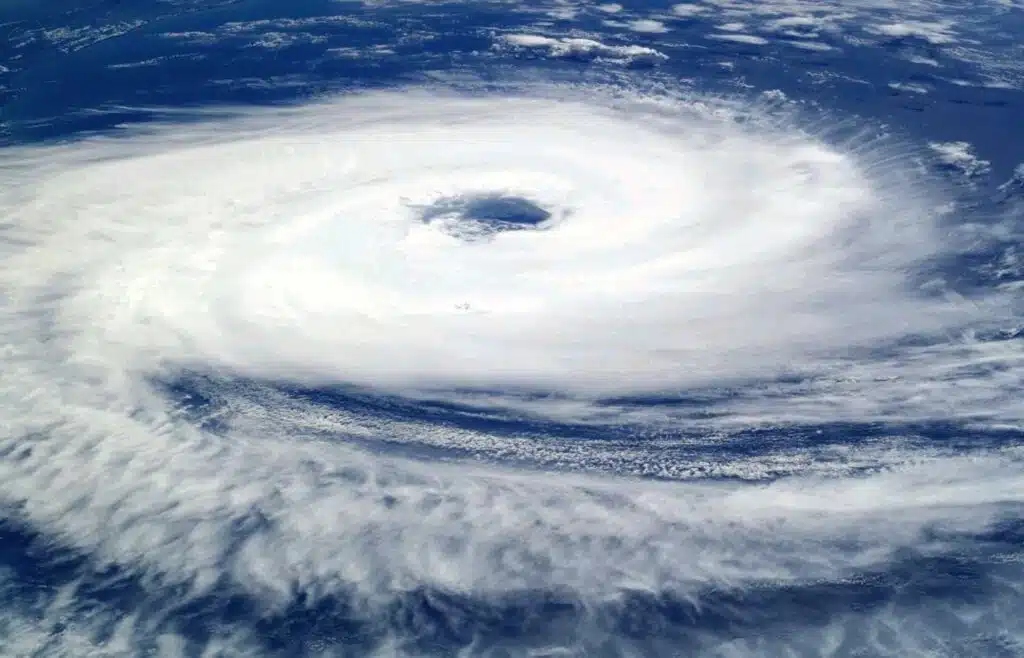
- The eye is the calm center of the storm.
- The eye is usually about 30 miles wide, but can range from 2–200 miles across.
- The eyewall surrounds the eye and has the storm’s strongest winds.
- The rainbands spiral outward and can produce flooding far from the storm’s center.
- Hurricanes can grow 100–1,000 miles wide.
Hurricane Behavior & Movement
- Each year, about 10 tropical storms form over the Atlantic, Caribbean Sea, and Gulf of Mexico.
- Around six of those storms grow into hurricanes.
- In an average three-year period, about five hurricanes strike the U.S. coastline.
- Hurricane season runs from June 1 to November 30.
- Mid-September is considered the peak of hurricane season.
- Hurricanes can form outside of the traditional season.
- Most hurricanes stay over the ocean and never reach land.
- Hurricanes can last more than a week, moving 10–20 mph over open water.
- When a hurricane hits land, it weakens because it loses access to warm ocean water.
Hurricane Impacts & Dangers
- Hurricanes kill approximately 50–100 people in the United States over a typical three-year period.
- Coastal areas are at the highest risk of hurricane damage.
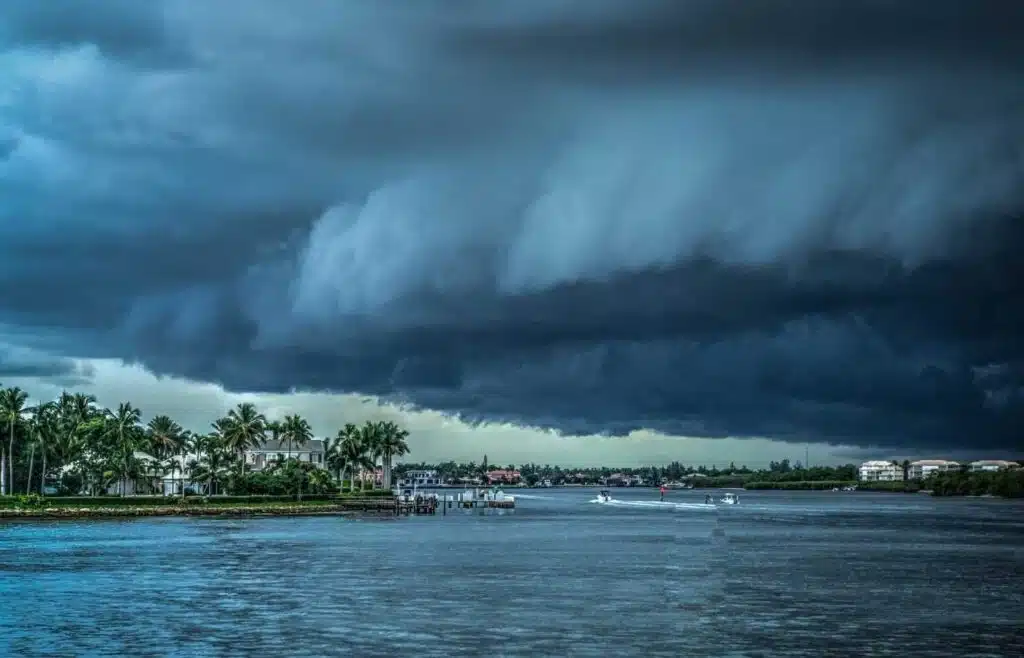
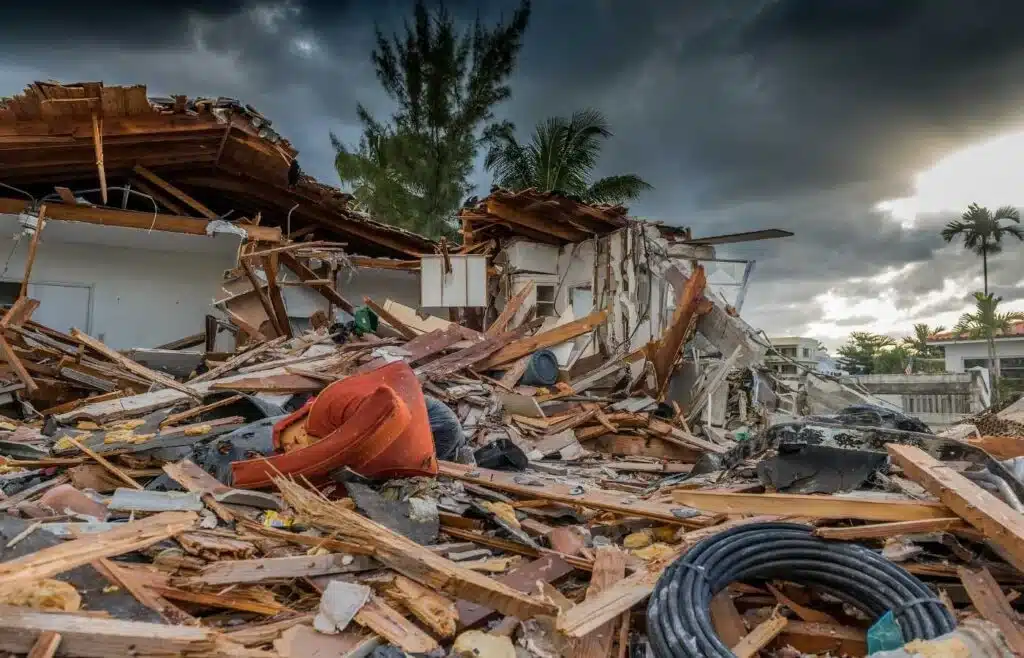
- Hurricane winds can uproot trees, damage buildings, and scatter debris.
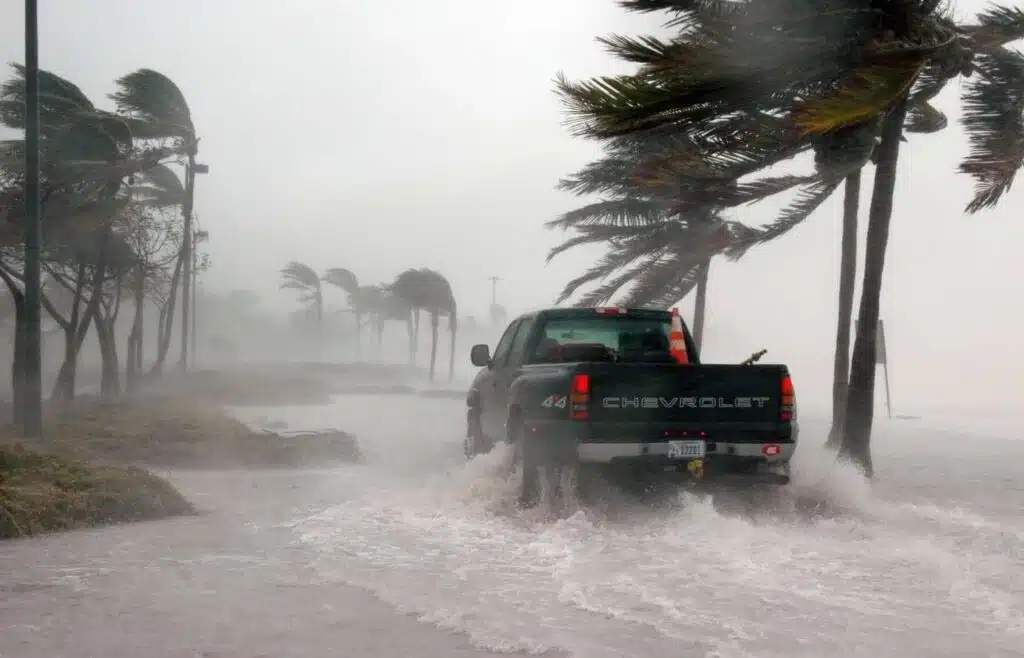
- When a hurricane reaches land, it can create a dangerous storm surge.
- Storm surges can reach 20 feet high.
- Slow-moving hurricanes often cause more damage because they produce more rainfall and flooding.
- 90% of hurricane-related deaths occur because of flooding.
- Hurricanes have caused around 2 million deaths worldwide over the last 200 years.
Naming & Records
- Hurricanes are the only weather disasters with their own human names.
- Storm names are assigned alphabetically by the World Meteorological Organization and reused every six years.
- Until 1978, hurricanes were officially named only after women.
- Hurricanes can produce short-lived tornadoes during landfall.
- The largest hurricane on record — Typhoon Tip (1979) — was nearly half the size of the United States.
- The Atlantic’s busiest hurricane season was 2005.
- 40% of hurricanes in the U.S. hit Florida.
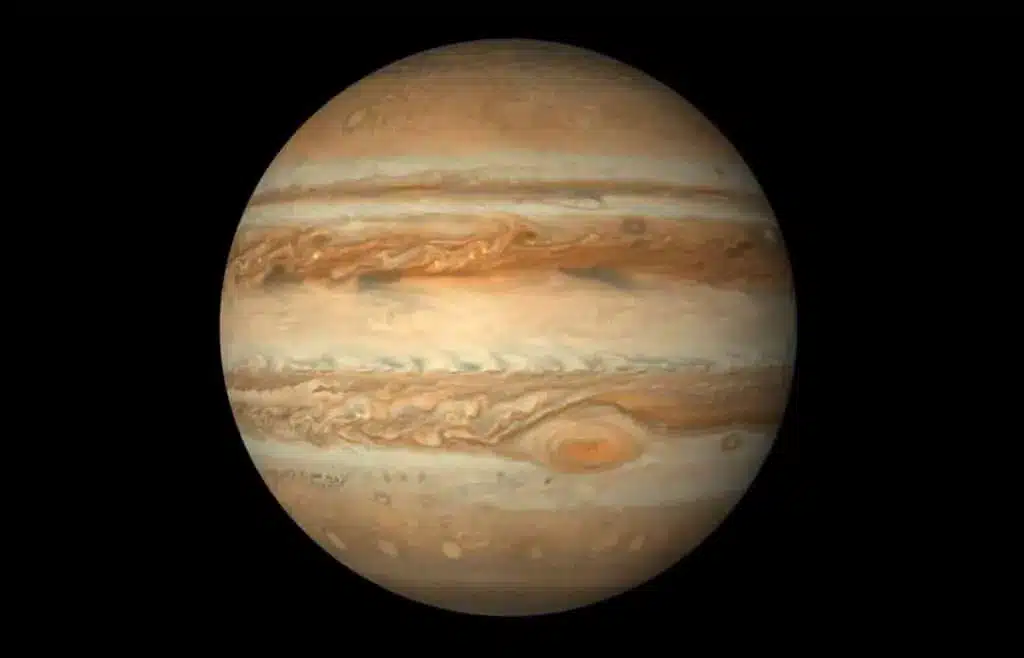
- Jupiter has a hurricane-like storm (the Great Red Spot) that has been going strong for over 300 years.
- The hurricane on Jupiter is bigger than Earth.
- The first recorded intentional flight into a hurricane was in 1943, during WWII training off the coast of Texas.
Famous Hurricanes in History
- The Bhola Cyclone (1970) in Bangladesh killed over 300,000 people (the deadliest hurricane on record).
- Hurricane Harvey (2017) dropped two feet of rain in the first 24 hours.
- Hurricane Katrina (2005) killed more than 1,800 people and caused around $80 billion in damage.
- The deadliest U.S. hurricane was the Galveston Hurricane of 1900, which killed up to 8,000 people.
We Recommend This Book
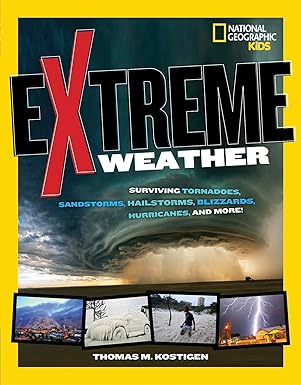
Extreme Weather (Thomas M. Kostigen)
This book introduces kids to powerful weather like tornadoes, hurricanes, and blizzards using real science. It helps build science knowledge and curiosity about the natural world.
How to Help After a Hurricane
If you’d like to support communities affected by hurricanes, one of the most reliable ways is through established relief organizations. The American Red Cross provides emergency shelter, supplies, medical care, and long-term recovery assistance during and after major storms.
You can learn more or donate through the Red Cross Hurricane Relief page.
Frequently Asked Questions About Hurricanes
Hurricanes are rare along the West Coast because the ocean water is usually too cold to fuel them. However, a few historic storms have reached Southern California as tropical storms and caused major flooding.
A storm becomes a hurricane at 74 mph. The strongest hurricanes can reach winds close to 200 mph, especially in Category 4 and 5 storms.
Hurricanes begin when warm, moist air rises over the ocean. If the water stays warm enough, the storm keeps growing and starts to rotate.
Yes. Warmer ocean temperatures help storms grow bigger and stronger, which is why intense hurricanes are becoming more common.
They lose their fuel source — warm ocean water. Without heat and moisture, the storm slows down and breaks apart.
The eye of the storm is calm, but it’s surrounded by the dangerous eyewall. It is not safe to go outside if the eye passes over your area.
Flooding is the biggest cause of hurricane-related deaths. Storm surge and heavy rainfall create the most dangerous conditions.
Many hurricanes last over a week, traveling hundreds of miles across the ocean before they weaken.
Hurricanes are most common in the Atlantic Ocean, Caribbean Sea, and Gulf of Mexico. In the U.S., Florida experiences the most hurricanes.
Yes. They’re called hurricanes in the Atlantic, typhoons in the western Pacific, and cyclones in the Indian Ocean and South Pacific.
The largest storm on record is Typhoon Tip (1979) in the northwest Pacific — nearly half the size of the United States.
Yes. Hurricanes can spin off short-lived tornadoes as they move over land.
The Bhola Cyclone (1970) in Bangladesh killed more than 300,000 people, making it the deadliest on record.
The Galveston Hurricane of 1900 killed up to 8,000 people and remains the deadliest U.S. hurricane.
Hurricane Books for Kids
To learn more about hurricanes, we recommend these books:
More Weather and Nature Fun Facts
Discover the mind-blowing wonders of the natural world:
- Desert Facts for Kids
- Rainbow Facts for Kids
- Facts About Snow for Kids
- Fun Facts About Spring & Trivia for Kids

Calie Herbst, Editor-in-Chief of Milwaukee With Kids, has spent over a decade combining her experiences as a parent of three to create a hub for Milwaukee’s family adventures.
Her decade-long teaching career in Milwaukee Public Schools and academic background, including a Master’s in Teaching from Marquette University and dual B.A.s in Sociology and Spanish from the University of Wisconsin – Madison, fuel her passion for inclusive and engaging family content.
Calie is also a recognized voice in local media, contributing to WISN Channel 12 News, WTMJ Wisconsin Morning News, Fox 6’s Real Milwaukee, and B93.3.
Discover more about Calie’s journey and editorial approach on her About Page and Editorial Policy Page.