

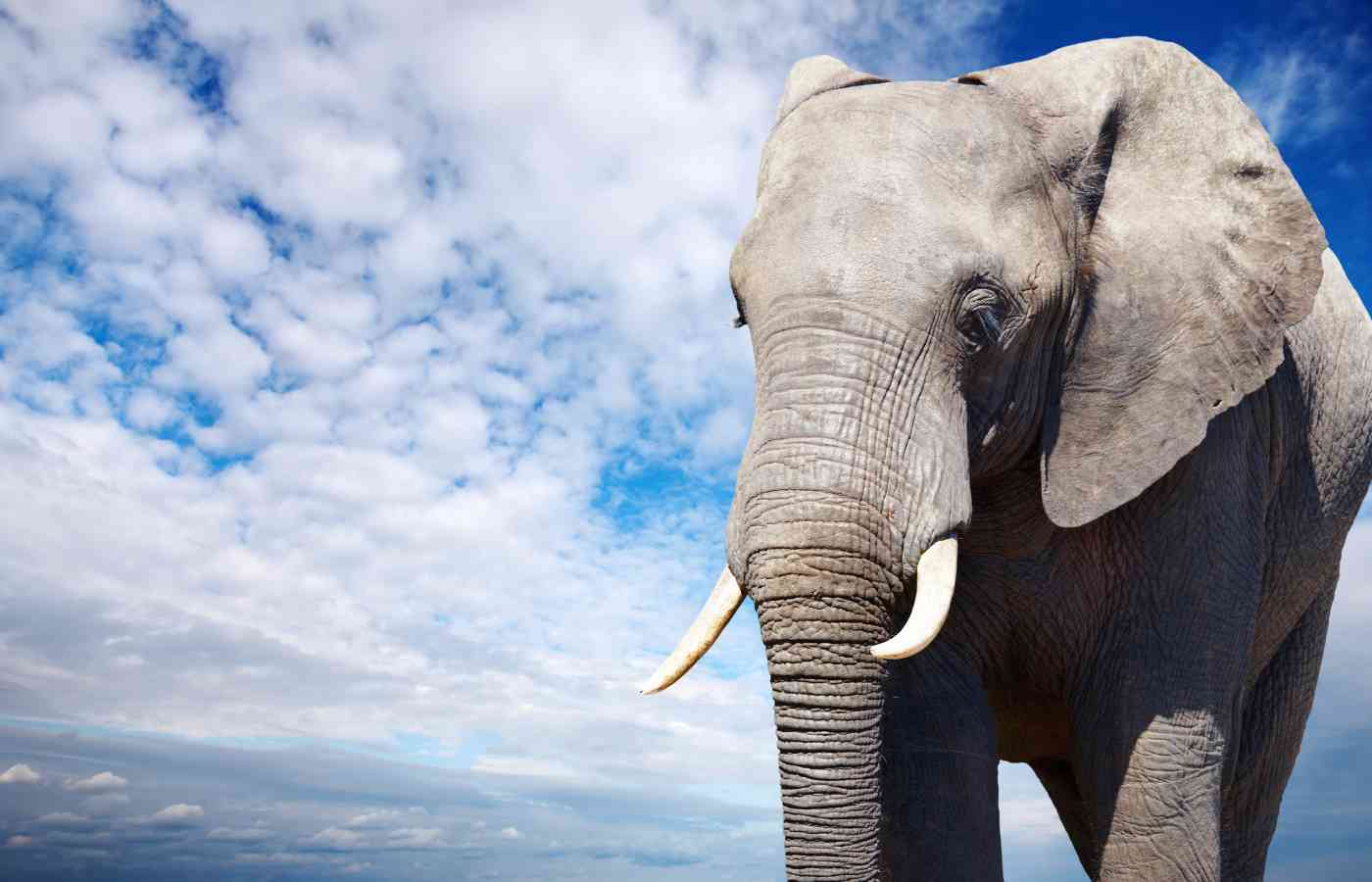

Saturday, August 12th is World Elephant Day — a perfect time to learn more about one of the most fascinating animals on Earth. Elephants are not only the largest land animals, but also among the most intelligent, emotional, and socially complex.
While elephants face serious threats in the wild, learning about them is one small way families can understand why they matter. These elephant facts are written for kids, but adults will find plenty of surprising science and animal trivia too.
💡From giant elephants to speedy cheetahs, our ultimate animal facts list for kids is packed with fun and learning.
Quick Elephant Facts (Start Here)
Short on time? These surprising elephant facts are guaranteed to hook curious kids (and adults):
• Elephants are the only land animals that can’t jump
• A baby elephant can stand within 20 minutes of being born
• Elephants have the longest pregnancy of any land animal — nearly 22 months
• Elephant trunks have over 150,000 muscles, more than the entire human body
• Elephants can “hear” through vibrations in the ground using their feet
• Elephants can swim long distances and use their trunks like snorkels
• Elephants are one of the only animals known to mourn their dead
• An elephant’s brain is the largest of any land animal
• Elephants can recognize themselves in mirrors — a sign of advanced intelligence
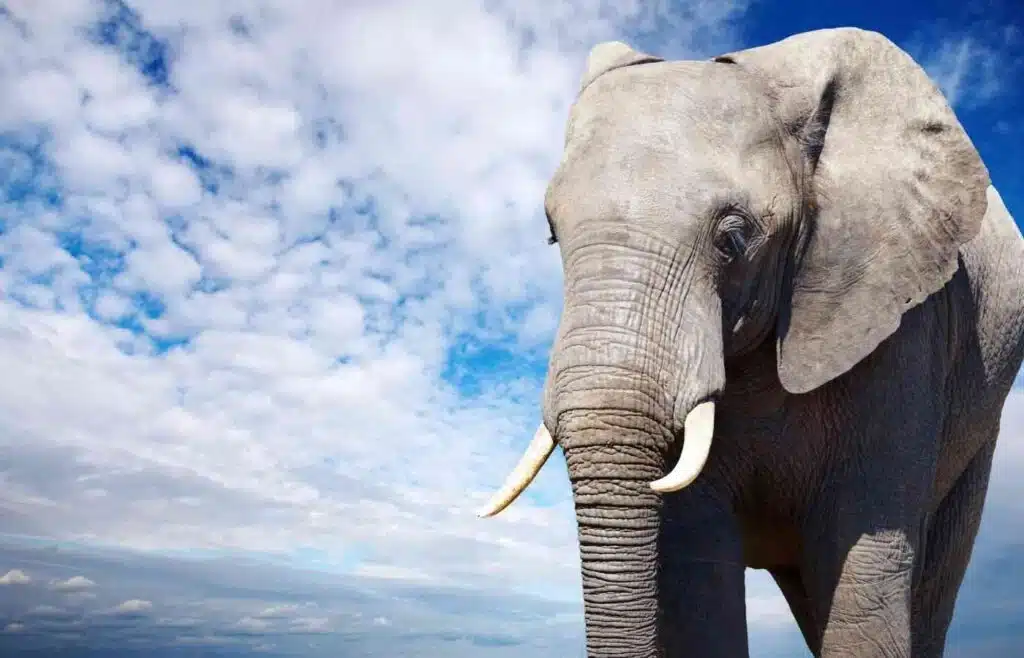
25 Amazing Elephant Facts Kids Love Most
These are the elephant facts kids find the most surprising, funny, and unforgettable — perfect for school projects, animal lovers, and curious minds.
- Elephants are the only land animals that can’t jump.
- A baby elephant, called a calf, can stand within 20 minutes of being born.
- Elephant pregnancies last about 22 months, the longest of any land animal.
- Baby elephants can weigh over 250 pounds at birth.
- Elephants have no bones in their trunks — only muscle.
- An elephant’s trunk has over 150,000 muscles, making it incredibly strong and precise.
- Elephants can use their trunks to pick up tiny objects like a peanut — and lift very heavy logs.
- Elephants can “hear” sounds through vibrations in the ground using their feet.
- African elephants have ears shaped like the African continent.
- Elephants use their ears like giant fans to cool themselves down.
- Elephants can swim long distances and use their trunks as snorkels.
- Elephants spend 12–18 hours a day eating.
- An adult elephant can eat over 200 pounds of food in a single day.
- Elephants create about one ton of poop per week, which helps spread seeds and fertilize soil.
- Elephant tusks are actually giant teeth that never stop growing.
- Elephants can be left- or right-tusked, just like people are right- or left-handed.
- Elephant skin can be almost one inch thick, yet it’s very sensitive.
- Elephants take mud baths to protect their skin from sunburn and insects.
- Elephants live in close family groups led by the oldest female, called a matriarch.
- Female elephants usually stay with their family herd for life.
- Elephants have the largest brain of any land animal.
- Elephants have amazing memories and can recognize other elephants — and humans — years later.
- Elephants are one of the few animals known to mourn their dead.
- Elephants show empathy and have been seen comforting injured or upset companions.
- Elephants are endangered, mostly because of poaching and habitat loss — but people can help protect them.
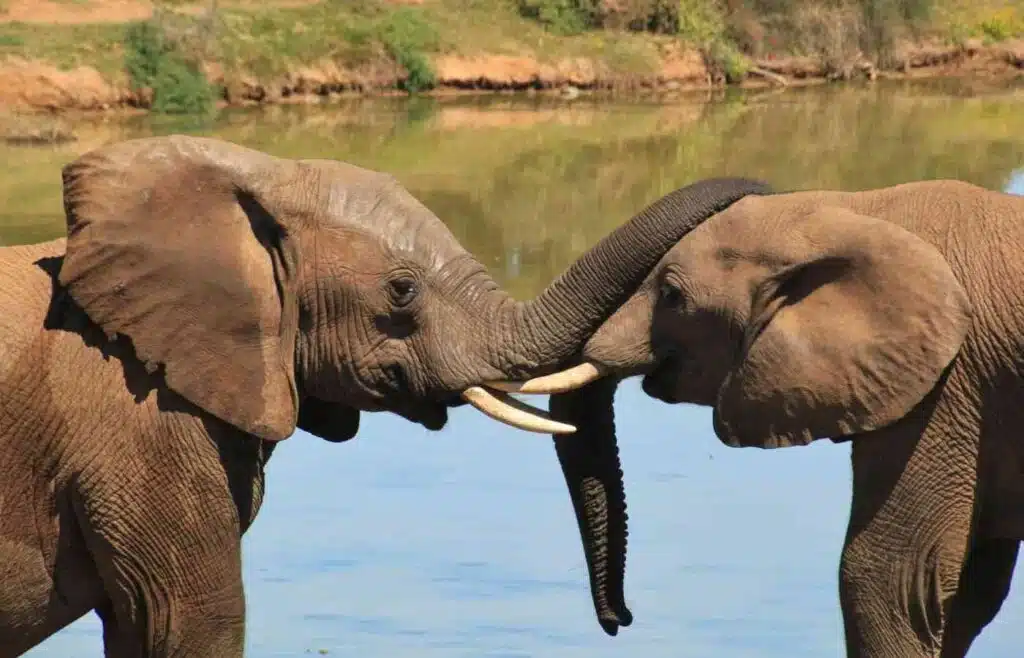
How Big Are Elephants? (Size & Growth)
Elephants don’t just start out huge — they grow slowly over decades and reach truly massive sizes.
• Elephants are the largest land mammals on Earth
• Adult male elephants can weigh up to 18,000 pounds, while females usually weigh up to 8,000 pounds
• African elephants stand about 10 feet tall at the shoulder
• Asian elephants are slightly smaller, reaching about 9 feet tall and weighing up to 13,000 pounds
• The largest elephant ever recorded was 13 feet tall and weighed 24,000 pounds
• Male elephants don’t reach full size until they are 35–40 years old
How Long Do Elephants Live?
Elephants are known for their long lives — and some live far longer than expected.
• Elephants typically live 60–70 years in the wild
• One elephant named Vatsala of Panna, living in India, is believed to be over 100 years old

What Do Elephants Eat and Drink?
Elephants spend most of their lives eating — and what goes in plays a big role in the ecosystem.
• Adult elephants eat about 220 pounds of food every day
• They consume around 50 gallons of water daily
• Elephants spend 12–18 hours a day eating
• Their diet includes grasses, leaves, fruit, roots, bark, twigs, and shrubs
• Up to half of what elephants eat passes through undigested
• An elephant produces about one ton of poop per week
• Elephant poop helps fertilize soil and spread seeds, supporting forest growth
Elephant Pregnancy and Babies
Baby elephants are born surprisingly capable — but only after a very long wait.
• Female elephants are pregnant for 22 months
• This is the longest gestation period of any land animal
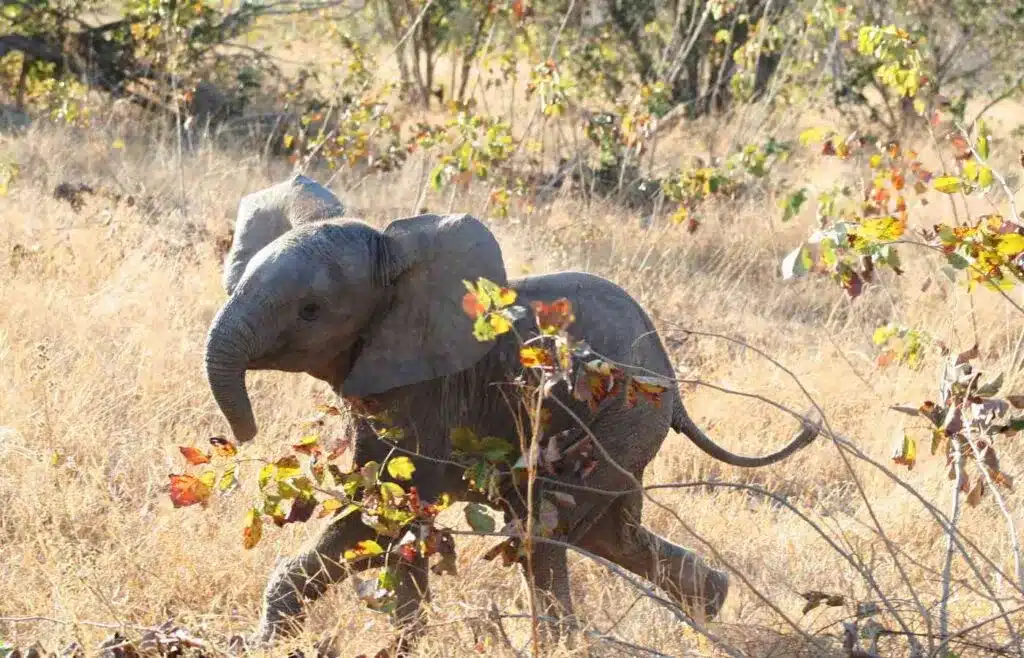
• A baby elephant is called a calf
• Calves can walk within an hour of being born
• Within two days, young elephants can keep up with the herd — an important survival skill
Types of Elephants Around the World
There are fewer elephant species than most people think — but each is unique.
• There are three species of elephants:
– African Savanna (Bush) Elephant
– African Forest Elephant
– Asian Elephant
• African Forest elephants were once thought to be a subspecies but are now recognized as their own species
• African Forest elephants live in dense tropical forests and have straighter tusks and rounder ears than savanna elephants
Elephant Ears: More Than Just Big
An elephant’s ears are powerful tools — not just for hearing.
• Elephant species can be identified by the shape and size of their ears
• African elephant ears are shaped like the African continent
• Asian elephant ears resemble the Indian subcontinent
• Elephants flap their ears to cool their bodies by releasing excess heat
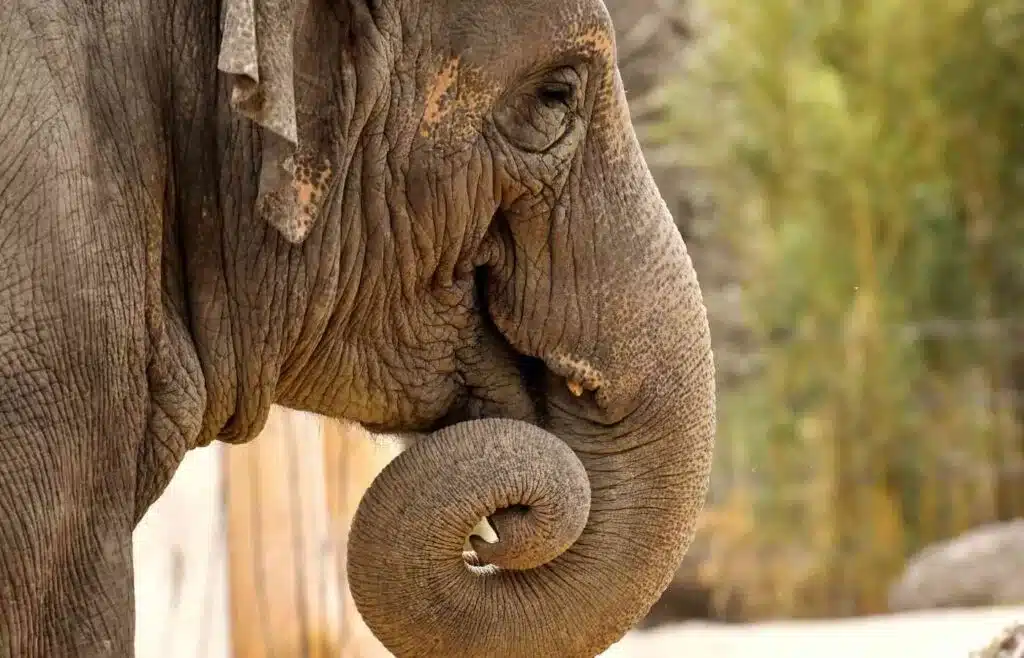
Elephant Trunks: A Super-Powered Tool
Elephant trunks are one of the most incredible body parts in the animal kingdom.
• An elephant’s trunk is a fusion of its nose and upper lip
• Trunks are among the most sensitive organs of any mammal
• An elephant’s trunk weighs nearly 300 pounds
• Trunks can lift objects almost twice the elephant’s size
• Elephants can suck up four gallons of water at once and spray it back out
• African elephants have two finger-like tips on their trunks, while Asian elephants have one
• Elephants use their trunks to greet, comfort, and show affection to one another
Elephant Tusks: Giant Teeth With Many Uses
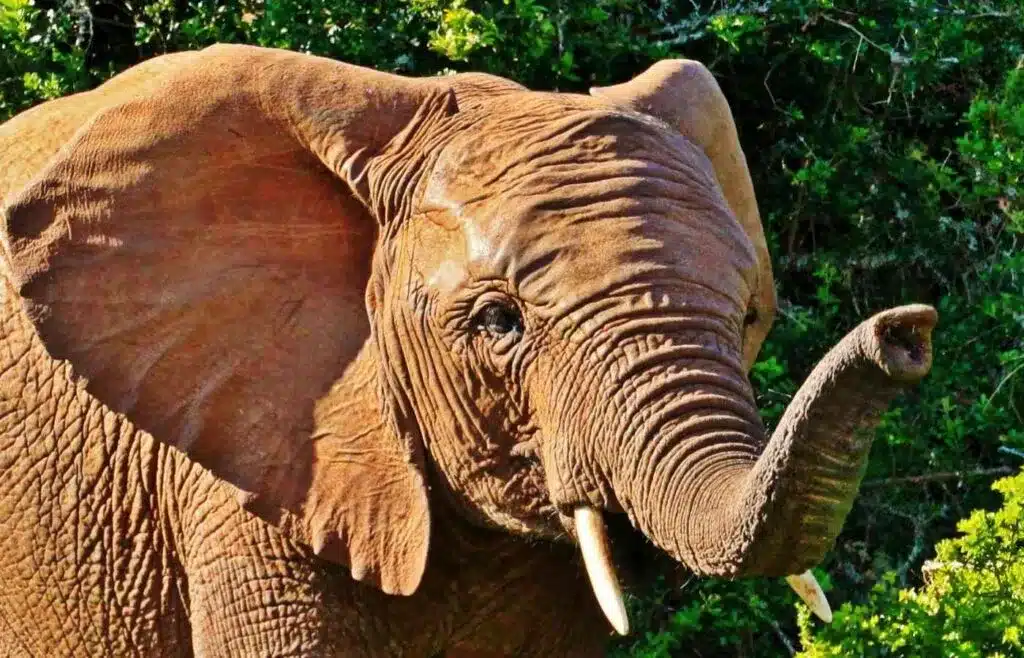
Tusks play an important role in an elephant’s daily life — and survival.
• Elephant tusks are actually elongated teeth
• Tusks begin growing when elephants are about 2 years old
• Tusks grow continuously throughout an elephant’s life
• Large tusks are often a sign of a very old elephant
• Tusks can grow up to six feet long and weigh 50 pounds each
• Elephants are either left- or right-tusked, like humans are left- or right-handed
• Both male and female African elephants grow tusks, but only male Asian elephants do
• Tusks are used to dig for water, strip bark, move objects, and defend against threats
• Tusks are made of ivory and cannot grow back once damaged or removed
Elephant Skin and Sun Protection
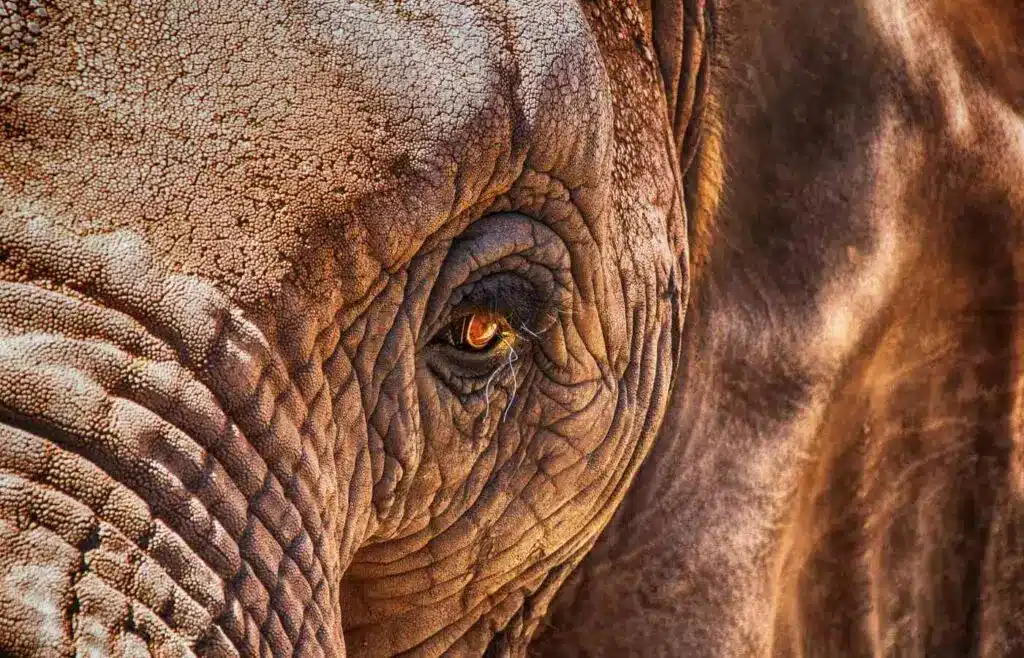
Elephant skin may look tough — but it needs care.
• Elephant skin can be nearly one inch thick
• Skin wrinkles help trap water, keeping elephants cool
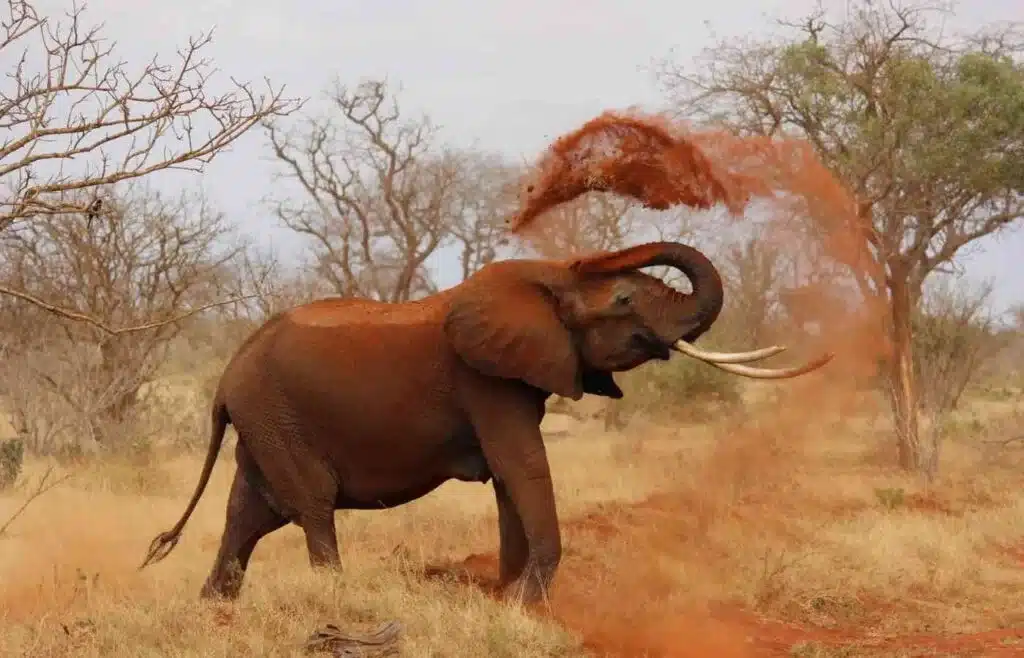
• Elephants take dust and mud baths to clean and protect their skin
• Mud acts as a natural sunscreen, protecting them from sunburn and insects
How Elephants Move
Despite their size, elephants are excellent movers.
• Elephants can walk up to 80 miles in a single day
• They are strong swimmers and can float for hours
• When swimming, elephants use their trunks as snorkels
• Elephants shape landscapes by digging water holes and creating paths
• Water-filled elephant footprints can become mini ecosystems for other animals
How Elephants Communicate
Elephants communicate in ways humans can’t always hear.
• Elephants use trumpets, rumbles, touch, scent, and body language
• Some elephant sounds are too low for humans to hear
• Elephants communicate through vibrations in the ground, sensed through their feet
• These vibrations help elephants detect direction, distance, and danger

Elephant Herds and Family Life
Elephant families are tightly bonded and highly organized.
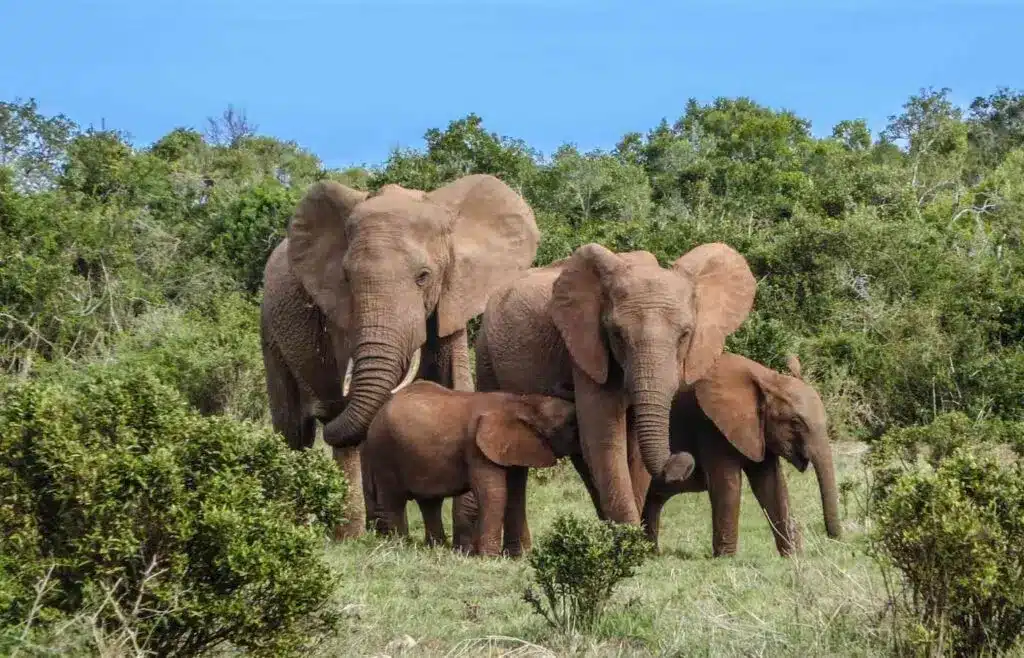
• Elephant herds are led by an experienced female matriarch
• Herds usually include 6–20 related elephants
• Female elephants stay with their herd for life
• Males leave the herd between ages 12–15
• Older matriarchs help herds survive by remembering safe routes and past dangers
Elephant Intelligence and Emotions
Elephants are among the smartest animals on Earth.
• Elephants have the largest brain of any land animal
• They can recognize up to 30 individuals by sight or smell
• Elephants remember places, animals, and people for decades
• Elephants show empathy and comfort injured or upset companions
• They can recognize themselves in mirrors
• Elephants use tools and even create simple art
• Some elephants suffer from post-traumatic stress disorder after trauma
• Elephants can distinguish between different human languages

Elephants and Humans
Humans and elephants have shared history for thousands of years.
• Asian elephants have lived alongside humans for over 4,000 years
• In Thailand, elephants are national symbols and can receive royal titles
Are Elephants Endangered?
Elephants face serious threats — but people can help.
• Elephants are endangered due to poaching and habitat loss
• About 100 African elephants are killed each day
• Nearly 90% of African elephants have been lost in the past century
• Today, about 415,000 African elephants and 45,000 Asian elephants remain
• You can help by avoiding ivory, supporting conservation groups, and adopting elephants through organizations like World Wildlife Foundation.
Frequently Asked Questions About Elephants
Yes. Elephants are endangered mainly due to poaching for their ivory tusks, along with habitat loss and conflicts with humans. Both African and Asian elephant populations have declined sharply over the past century, though conservation efforts are helping protect remaining herds.
Yes — elephants are famous for their excellent memory. They can remember watering holes, migration routes, and other elephants for decades. Elephants are also known to recognize individual herd members and even humans they met many years earlier.
No. There’s no evidence that elephants are afraid of mice. However, elephants strongly dislike ants, which can crawl into their sensitive trunks and cause irritation.
Elephants live in Africa and Asia.
Most African elephants live in southern Africa, with Botswana home to the largest population.
More than half of all Asian elephants live in India, with smaller populations in countries like Vietnam, Cambodia, and China.
Elephants are herbivores. Their diet includes grasses, leaves, fruit, bark, roots, and branches, depending on the season and where they live.
Yes. Elephants are strong swimmers and can float and swim in deep water for long periods. They use their trunks like snorkels to breathe while swimming.
No. Elephants are one of the only mammals that cannot jump. Their leg structure isn’t designed to push their heavy bodies off the ground.
Elephants are the largest land mammals on Earth.
Adult male African elephants can weigh up to 18,000 pounds
Females are smaller, weighing up to 8,000 pounds
Asian elephants are generally smaller than African elephants
The largest elephant ever recorded weighed about 24,000 pounds.
Adult elephants eat around 220 pounds of food per day and drink up to 50 gallons of water. They spend much of their day — often 12 to 18 hours — eating to fuel their massive bodies.
More Amazing Animal Facts Kids Will Love
If learning about elephants sparked your child’s curiosity, keep exploring the animal kingdom with these fascinating fact guides:
Monkey facts for kids – Explore the clever world of monkeys, including tool use, problem-solving, and complex social behavior.
Rhino facts for kids – Discover another massive land mammal with a surprisingly long pregnancy and thick skin built for survival.
Grey wolf facts for kids – Learn how wolves live in tight-knit family packs, communicate, and raise their young together.
Red panda facts for kids – Meet an endangered animal that plays an important role in forest ecosystems and conservation efforts.
Cheetah facts for kids – Compare elephants to the fastest land animal on Earth and see how speed and size solve survival differently.

Calie Herbst, Editor-in-Chief of Milwaukee With Kids, has spent over a decade combining her experiences as a parent of three to create a hub for Milwaukee’s family adventures.
Her decade-long teaching career in Milwaukee Public Schools and academic background, including a Master’s in Teaching from Marquette University and dual B.A.s in Sociology and Spanish from the University of Wisconsin – Madison, fuel her passion for inclusive and engaging family content.
Calie is also a recognized voice in local media, contributing to WISN Channel 12 News, WTMJ Wisconsin Morning News, Fox 6’s Real Milwaukee, and B93.3.
Discover more about Calie’s journey and editorial approach on her About Page and Editorial Policy Page.