

Deserts are some of the most fascinating places on Earth.
Found on every continent, these vast landscapes may look empty at first glance — but they’re full of surprises. From the blazing sands of the Sahara to the icy stretches of Antarctica, deserts are home to incredible plants, animals, and even people who’ve learned to thrive in extreme conditions.
In this post, you’ll discover 50 fun and amazing facts about deserts that will spark your kids’ curiosity and help them understand one of the planet’s most unique habitats.
Quick Desert Facts
- Deserts cover over 20% of Earth’s land and exist on every continent.
- The Antarctic Desert is the world’s largest — and it’s icy cold!
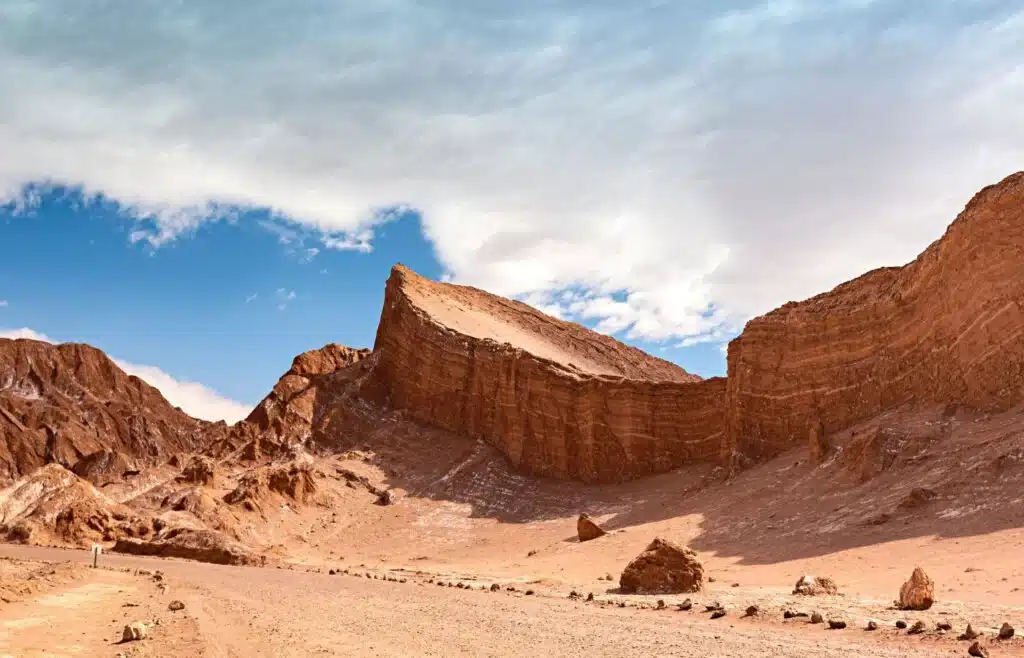
- The Atacama Desert is the driest place on Earth, with parts that haven’t seen rain for centuries.
- Only one-fifth of deserts are sandy; most are rocky or gravelly.
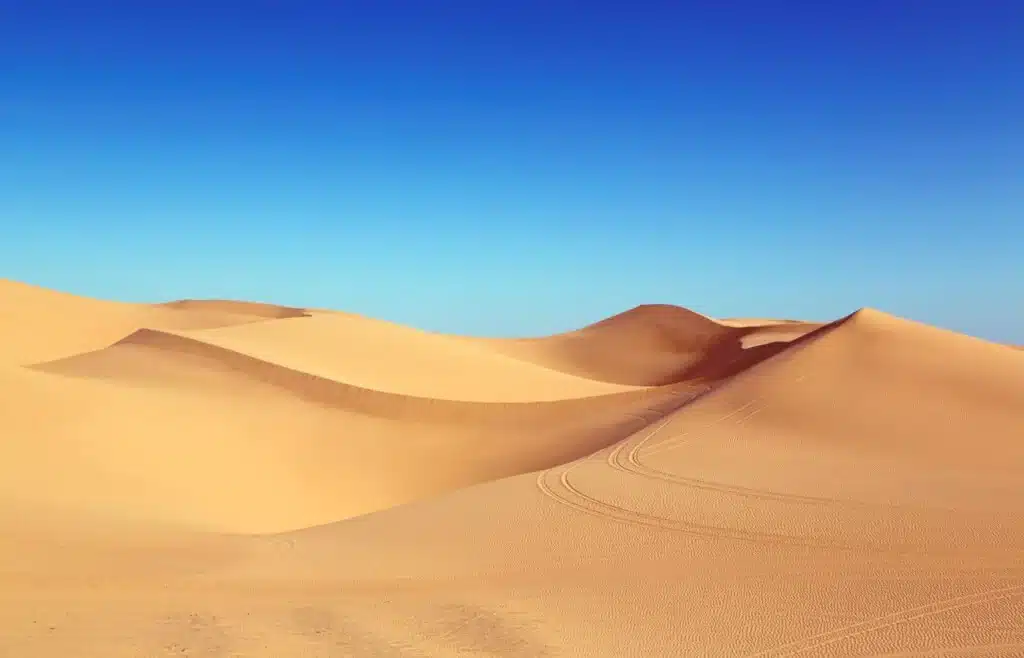
- Some desert sand dunes reach 1,500 feet tall, and cacti can store 200 gallons of water after one rainfall.
What is a desert?
1. A desert, or desert biome, is a place that receives less than 10 inches of rain per year. (Source: nationalgeographic.com)
2. There are five different types of deserts, divided up according to the cause of their dryness:
Subtropical deserts like the Sahara are caused by the circulation patterns of air masses that don’t allow for much rain.
Coastal deserts like the Atacama desert in Chile are caused by cold ocean currents.
If your little ones enjoyed these desert discoveries, they’ll love exploring our treasure trove of fascinating facts for kids of all ages.
Rain Shadow deserts like Death Valley are caused by leeward slopes of mountain ranges.
Interior deserts like the Gobi desert in China and Mongolia exist because no moisture-laden winds reach them.
Polar deserts in the polar regions of Planet Earth have lots of moisture but it is locked away in glaciers and unavailable for plant and animal life.
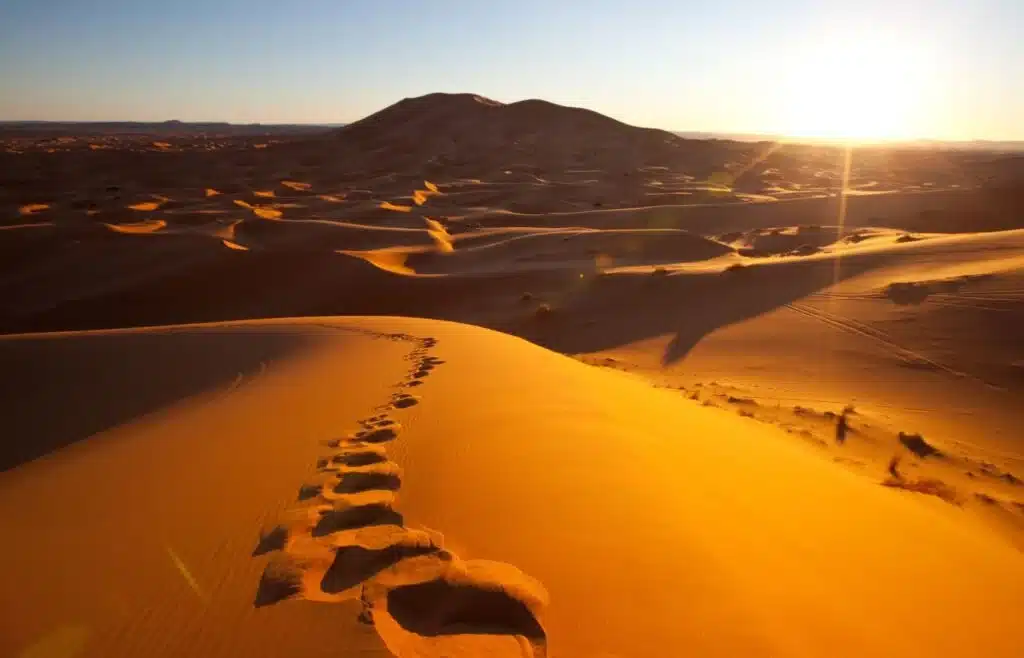
3. Deserts are found on all seven continents on Planet Earth. (Source: nationalgeographic.com)
4. Deserts cover more than one-fifth (or 20%) of the Earth’s land area. (Source: nationalgeographic.com)
5. After it rains once, a desert might not get rain again for months or even years.(Source: kids.nationalgeographic.com)
The World’s Deserts
6. The Atacama Desert in South America is the world’s driest desert. Studies conducted by NASA have concluded that there may not have been any significant rainfall from 1570 to 1971. That’s almost four hundred years without rain! (Source: quasarex.com)
7. Deserts experience extreme temperatures, with hot days and cold nights. The average temperature during the day is about 100 degrees fahrenheit and 25 degrees fahrenheit at night.
8. Deserts get cold at night because of a lack of humidity. They don’t have clouds and water vapor to hold in heat like other places. (https://kids.nationalgeographic.com/nature/habitats/article/desert)
9. Most hot deserts are in the region known as the tropics. This is a band of Earth on either side of the Equator.
10. The Sahara Desert in northern Africa is the hottest desert in the world and one of the harshest climates, with temperatures soaring to 117 degrees fahrenheit.
11. The Sahara Desert covers an 5.7 million miles, which is almost the same size as China, and a total of 8% of the earth’s land area.
12. The entire continental United States could almost fit inside Africa’s Sahara desert.
13. Half of the Sahara Desert receives less than 1 inch of rain every year. (Source: globaladventurechallenges.com)
14. The Sahara is home to some of the tallest sand dunes in the world – over 1500 feet tall!
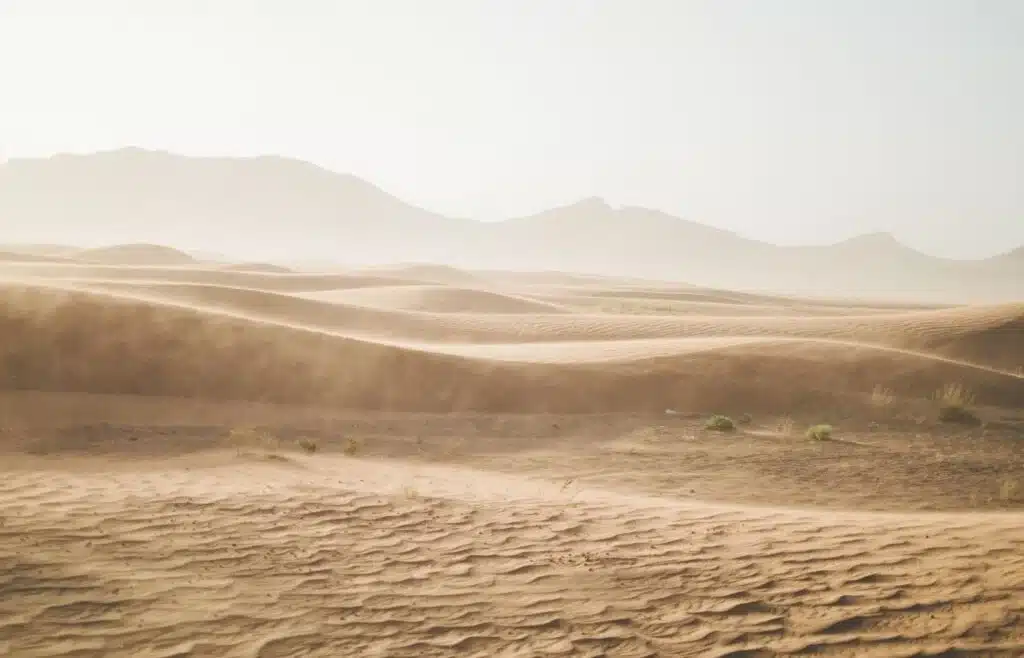
15. Some deserts are not sandy at all. In fact, only about 20 percent of deserts are covered by sand. (Source: nationalgeographic.com)
16. The highest temperature ever recorded on Earth was 134 degrees fahnreinheit in California and Nevada’s Death Valley in 1913. Those are some harsh conditions! (Source: kids.nationalgeographic.com)
17. North America has four major deserts: Great Basin, Mohave, Chihuahuan and Sonoran.
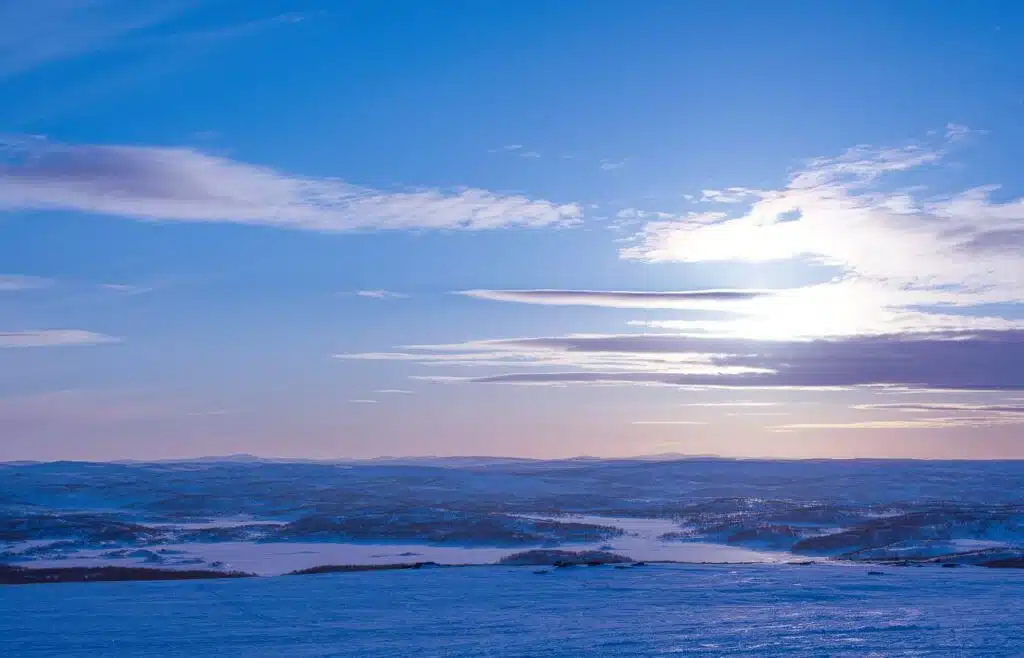
18. Deserts can be cold. Polar deserts are located in the Arctic or Antarctic regions of Planet Earth.
19. The largest desert in the world is actually the Antarctic Polar Desert which is 5.4 million square miles. It’s covered in snow and ice, but it rarely rains, which means it’s a desert.
Other large deserts include:
Arctic Polar Desert: 13.7 million km² (5.3 million square miles).
Sahara Desert: 9.2 million km² (3.5 million square miles).
Arabian Desert: 2.3 million km² (800,000 square miles).
Gobi Desert: 1.295 million km² (500,000 square miles).
20. The Gobi desert its the largest desert in Asia, stretching across China and Mongolia. It is also a cold desert.
21. Temperatures in the Gobi desert can get down to -25 degrees fahrenheit.
22. Cold deserts are farther from the equator than hot deserts. The cold temperatures mean fewer plants.
23. More than one-fifth of the continent of Australia is covered in desert. (The Great Victoria Desert is the largest on the continent.) (Source: kids.nationalgeographic.com)
24. Many deserts were formed 8-10,000 years ago. (Source: kids.nationalgeographic.com)
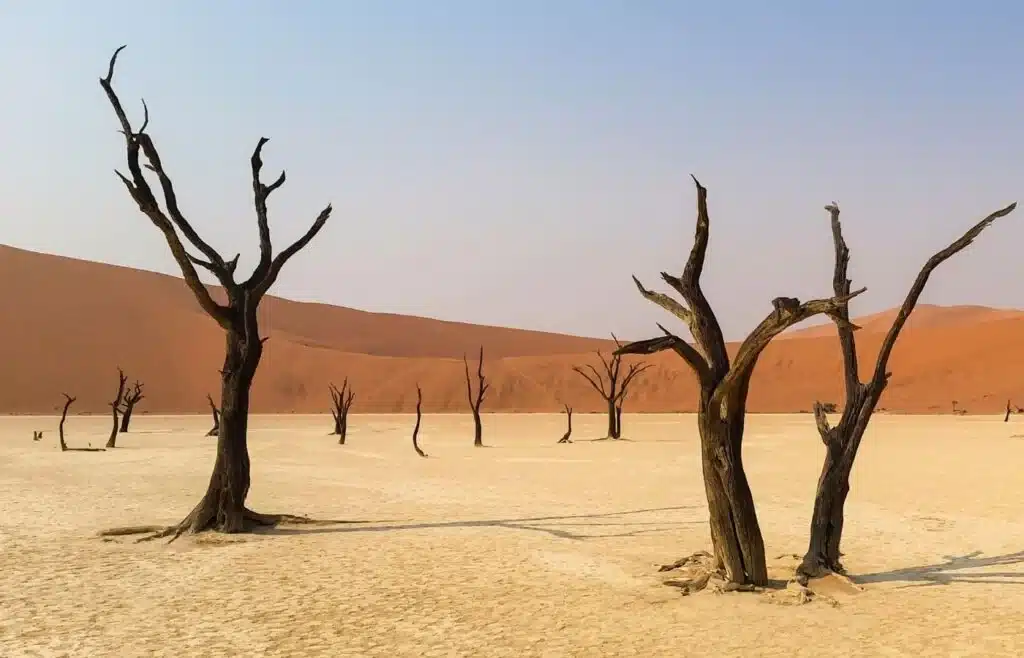
25. The Namib Desert is the oldest desert in the world. It’s been dry for at least 55 million years, and possibly as many as 80 million.(Source: Safaribookings.com)

People & Life in the Desert
26. More than one billion people (one-sixth of the Earth’s population) live in desert regions. (Source: nationalgeographic.com)
27. Some groups of people who live in deserts include the Tuareg of the Sahara, the San of the Kalahari, the Bedouins of the Middle East and North Africa, and the Aboriginal peoples of Australia. Many desert dwellers live in oases.
28. Many desert dwellers live in oases. An oasis is a place in a desert where there is fresh water.
29. Deserts can have lakes. For example, there are over 20 lakes in the Sahara, most of which are saltwater lakes.
30. Lake Chad is the only freshwater lake in the Sahara desert.
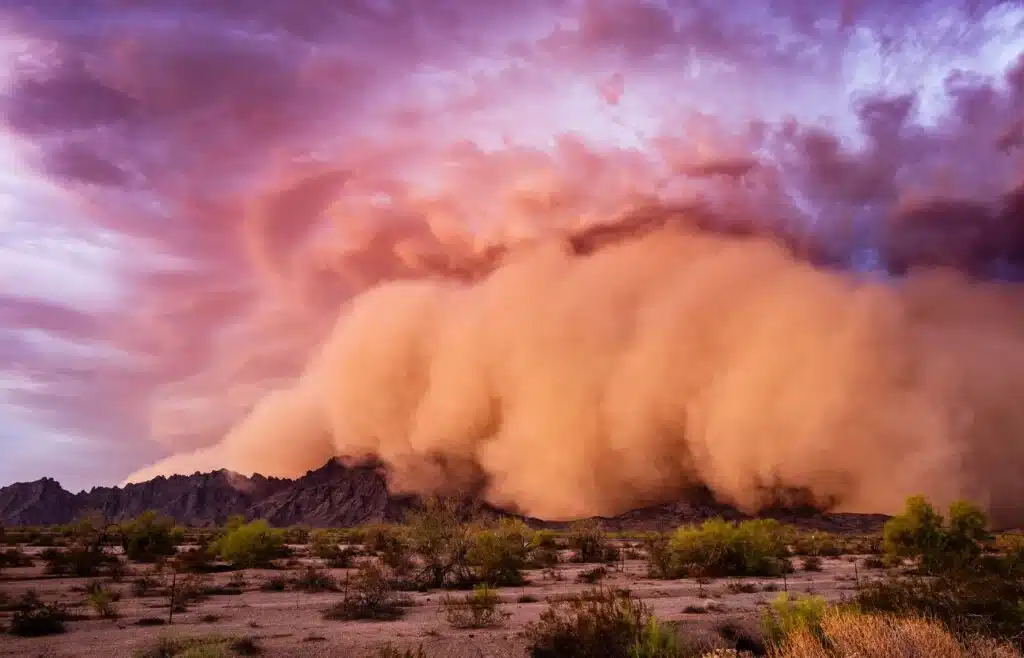
31. Dust storms (also known as sand storms) occur when winds lift the top layer of sand from the ground, and push it in every imaginable direction.
32. Dust storms can reach wind speeds of 25 miles per hour (40 kmh).
Desert Plants & Adaptations
33. Plant life is abundant even in the desert’s dry soil. Although plants don’t get much water, they adapt to thrive in the dry climate.
34. Cacti, succulents, acacias, mesquite, creosote bush, and yucca all thrive in the dry desert.
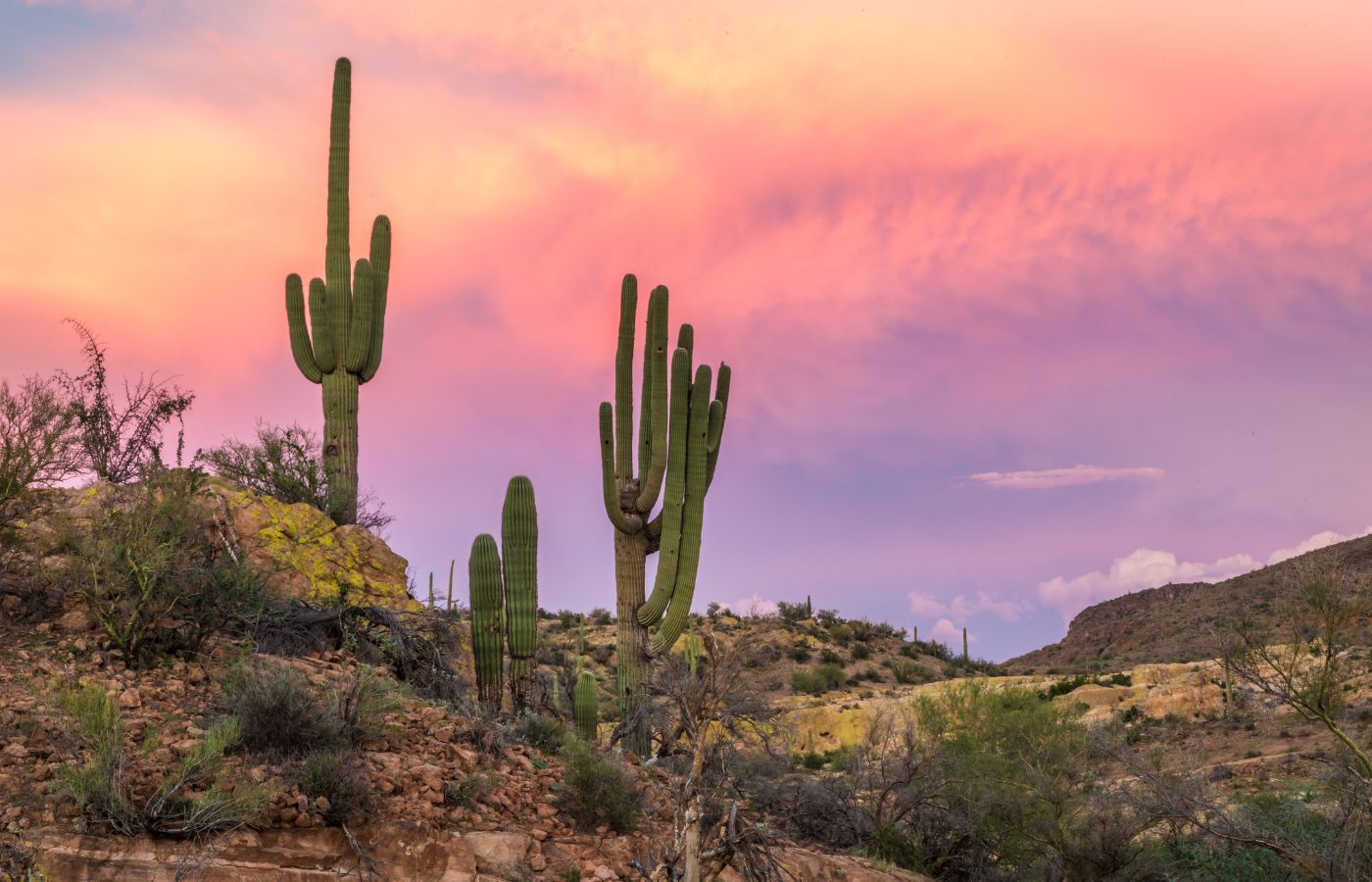
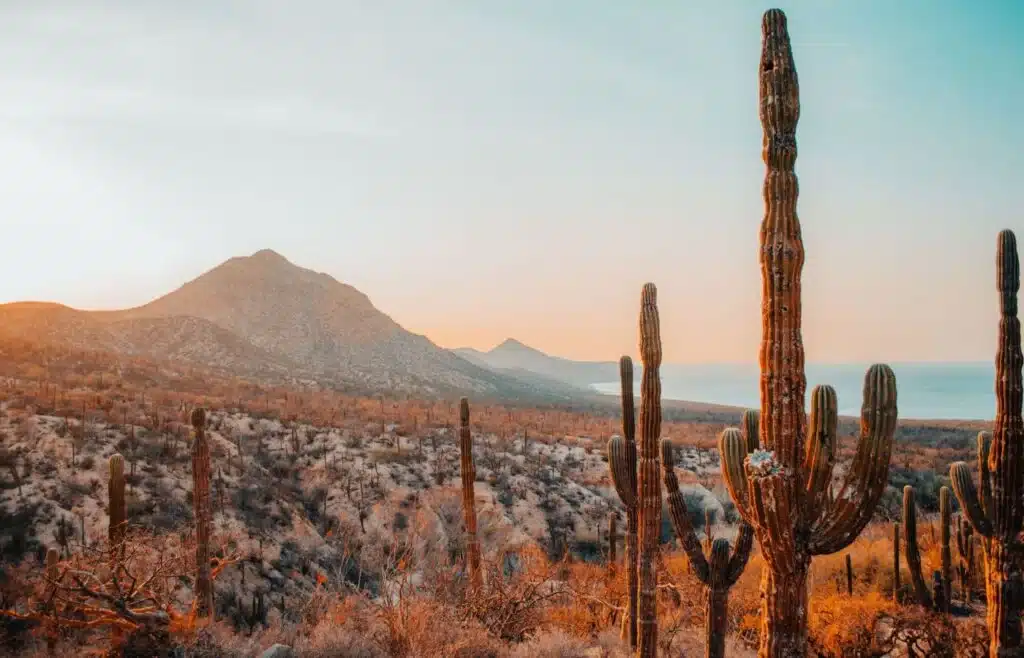
35. Cacti store enough water in their stems to last for a long time without rain. A fully-grown saguaro cactus can soak up and store up to 200 gallons of water during a good downpour! (Source: wonderopolis.org)
36. The Sonoran desert in Mexico and Southwester United States is the only place in the world where Saguaro Cacti grow.
37. Mesquite grass have very small leaves that curl up in the daytime to conserve the water they have.
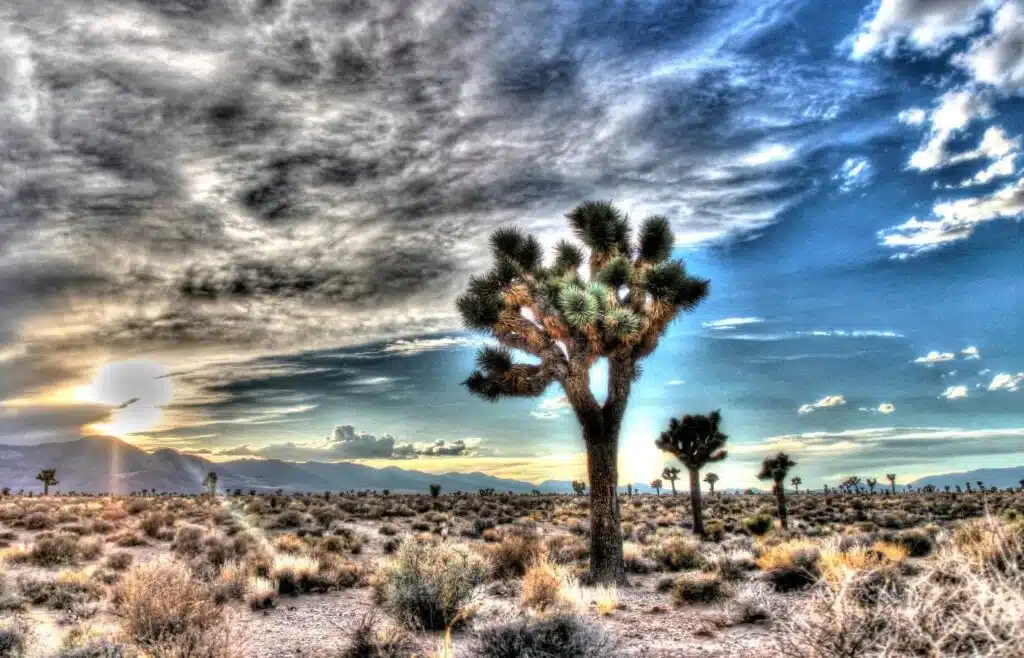
38. Joshua Trees only grow in the Mojave Desert located in California and Nevada. (Source: kids.nationalgeographic.com)
39. The average lifespan of a Joshua Tree is said to be about 500 years.
40. The leaves of a Yucca plant are shaped with built-in channels to help direct water to the base of the plant and collect moisture more efficiently.
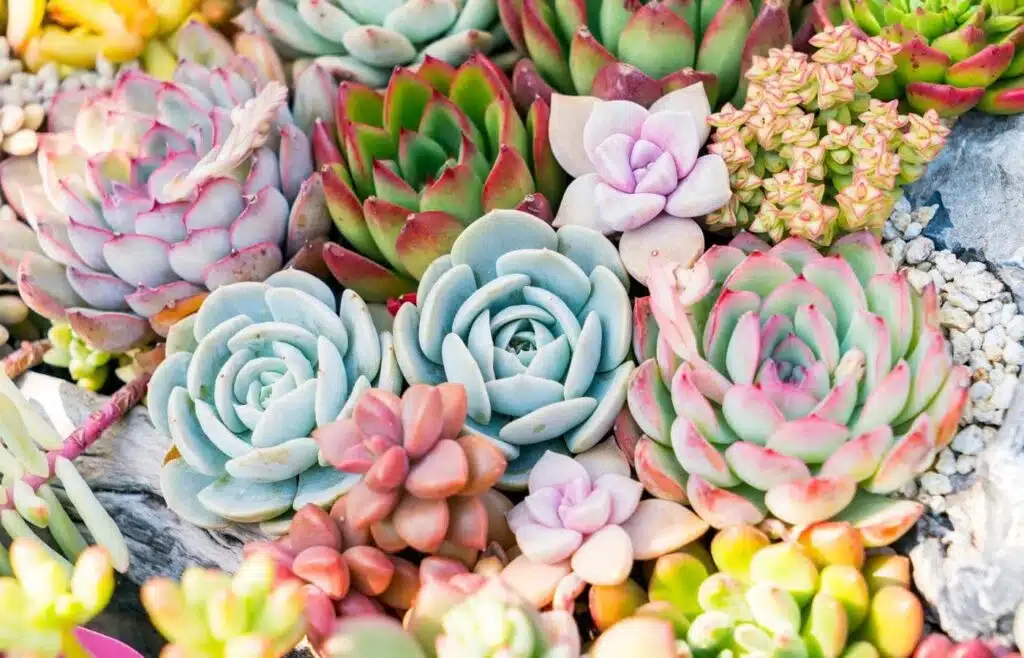
41. Succulents come in every color of the rainbow. Many come in different shades of green, but you can also find succulents that are blue, purple, pink, orange, and red!
42. Succulents make their own sunscreen. The have a waxy, dust-like coating on their leaves called epicuticular wax, or farina. It protects succulents from the sun’s harsh rays and can help keep the leaves from burning.

Desert Animals and Adaptations
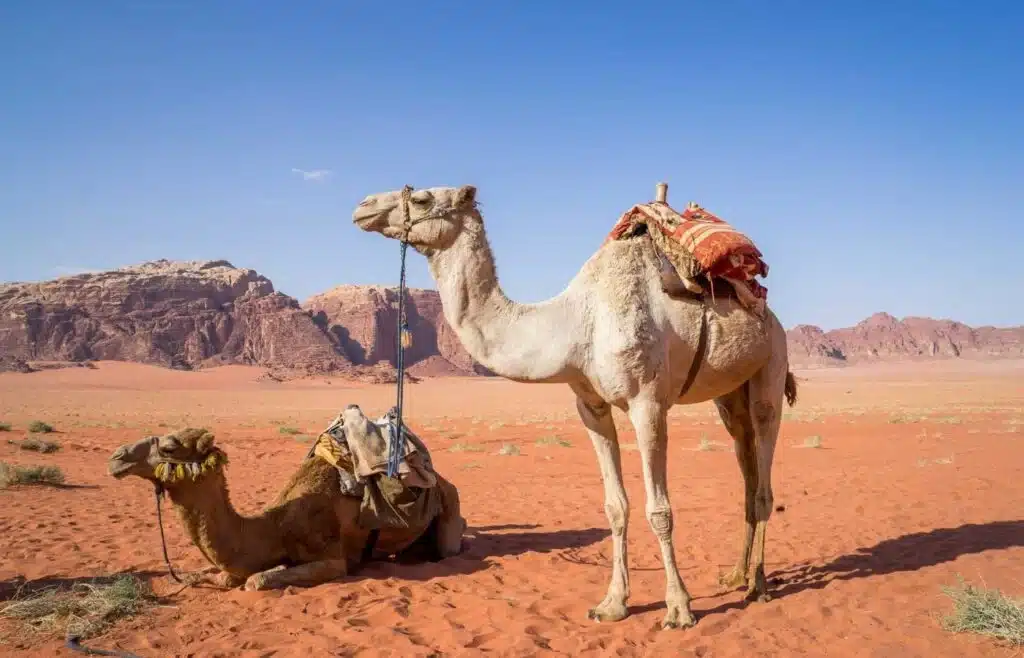
43. A desert is home to many animal species including large animals like camels and gazelles, and small animals like snakes, desert tortoises, lizards, and small rodents.
44. In the Sonoran Desert, a wild desert tortoise can live to be more than 40 years old. (Source: desertmuseum.org)
45. Desert animals get water from other sources to make up for the lack of rain. Kangaroo rats in the Sonoran Desert get water from the seeds they eat. Some carnivores, such as desert foxes, get enough liquid from their prey.
46. Most desert animals stay underground or beneath shady rocks during the day.
47. Many desert animals store body fat in unusual places, like a camel’s hump or a gecko’s tail.
Amazing Desert Facts to Blow Your Mind
48. The Kalahari desert is second biggest desert in Africa and the sixth biggest desert by area on Earth.
49. Soil samples from the Atacama Desert are very similar to soil samples collected on Mars (Source: quasarex.com)
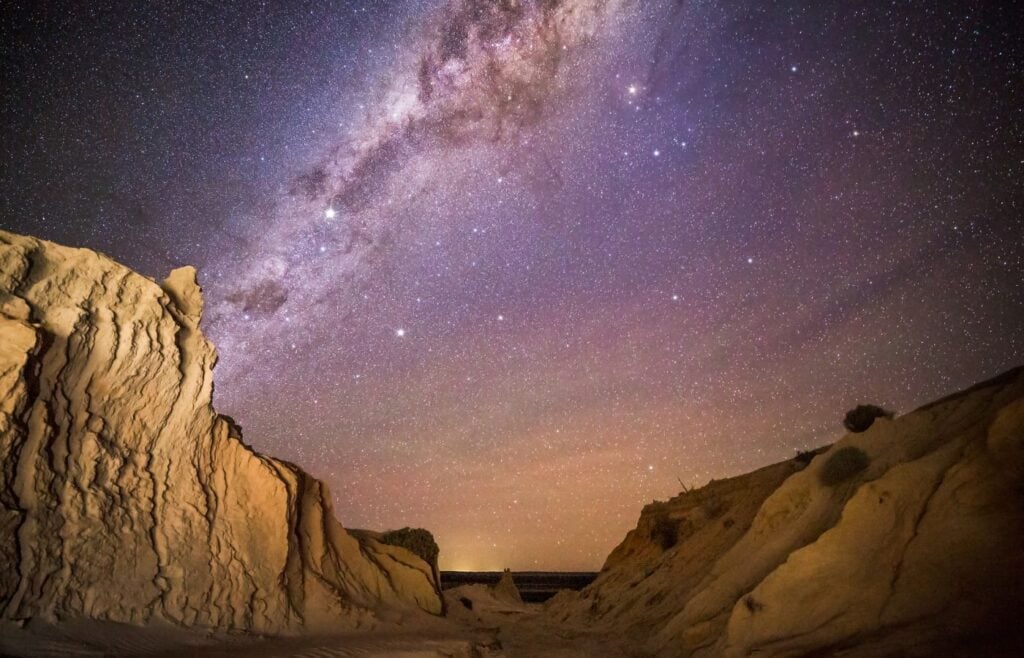
50. The Atacama Desert is one of the best places for stargazing because there is no light pollution, it has high altitude, and there are more than 300 nights of clear skies per year.
We hope you loved these fun facts about deserts. Maybe you’ll visit one some day!
Related Posts:
- 50 Mind-Blowing Mars Facts for Kids
- Hurricane Facts for Kids
- Rainbow Facts for Kids
- Emperor Penguin Facts for Kids
- White Tiger Facts
- Cheetah Facts for Kids
- Grey Wolf Facts for Kids
- Snow Facts for Kids
- Monkey Facts for Kids

Calie Herbst, Editor-in-Chief of Milwaukee With Kids, has spent over a decade combining her experiences as a parent of three to create a hub for Milwaukee’s family adventures.
Her decade-long teaching career in Milwaukee Public Schools and academic background, including a Master’s in Teaching from Marquette University and dual B.A.s in Sociology and Spanish from the University of Wisconsin – Madison, fuel her passion for inclusive and engaging family content.
Calie is also a recognized voice in local media, contributing to WISN Channel 12 News, WTMJ Wisconsin Morning News, Fox 6’s Real Milwaukee, and B93.3.
Discover more about Calie’s journey and editorial approach on her About Page and Editorial Policy Page.