
Updated September 5, 2025
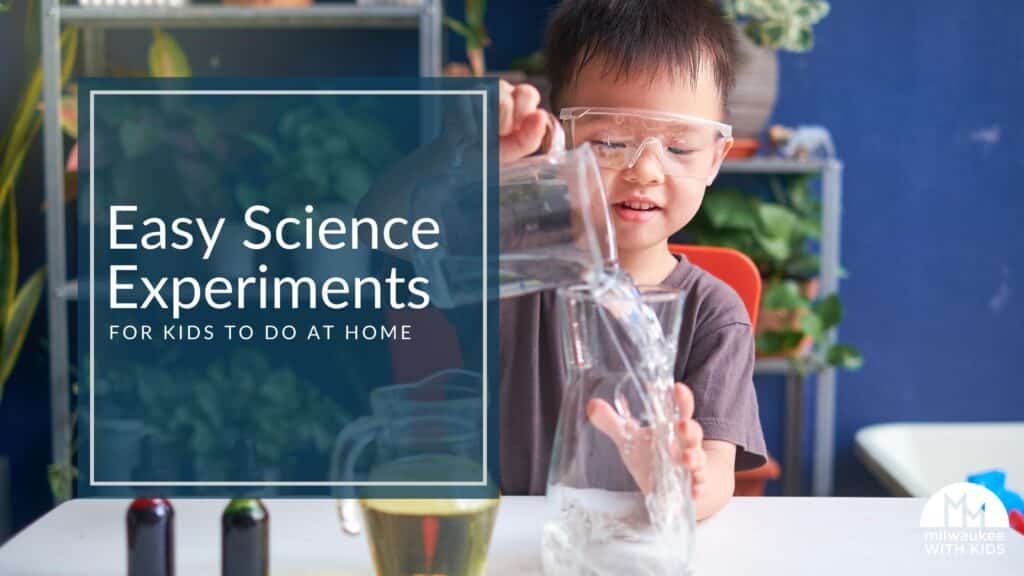
Welcome, parents and young scientists! If you’re looking for easy science experiments for kids, you’re in the right place.
We’ve tested these activities with our own kids, so you can be sure they’re simple, fun, and family-approved. Best of all, they use everyday items like dish soap, food coloring, and baking soda.
Here’s why families love them:
- Quick: Most take 30 minutes or less.
- Simple: Uses supplies you already have at home.
- Educational: Teaches basic ideas in chemistry, physics, and biology.
- Fun for all ages: Great for preschoolers through tweens.
- Mess-free options: Many require little or no cleanup.
Science doesn’t have to be complicated. With these experiments, kids can learn, explore, and laugh—right at the kitchen table or in the backyard.
💡Looking for even more hands-on ideas? Check out our full collection of fun at-home activities.
Quick Picks: Our Favorite Easy Science Experiments
Short on time? Start with these parent-approved favorites — simple, fast, and fun for all ages.
- Mini Volcano – A classic baking soda + vinegar reaction kids never get tired of.
- Magic Milk – Watch colors swirl and dance with just milk, soap, and food coloring.
- Dancing Raisins – See raisins move up and down as bubbles change their density.
- Invisible Ink – Write secret messages with lemon juice and reveal them with heat.
- Walking Water Rainbow – Create a colorful chain reaction with water and paper towels.
- Jumping Pepper – Break the water’s surface tension with a single drop of soap.
- Skittle Heart – Make colors melt and spread into beautiful patterns.
- Dry Erase Marker Magic – Draw on glass, add water, and watch the drawings float.
- Egg in Salt Water – Make an egg float—or sink—using simple density changes.
Each experiment uses everyday supplies and takes 5–15 minutes to try.
One Minute Science Experiments
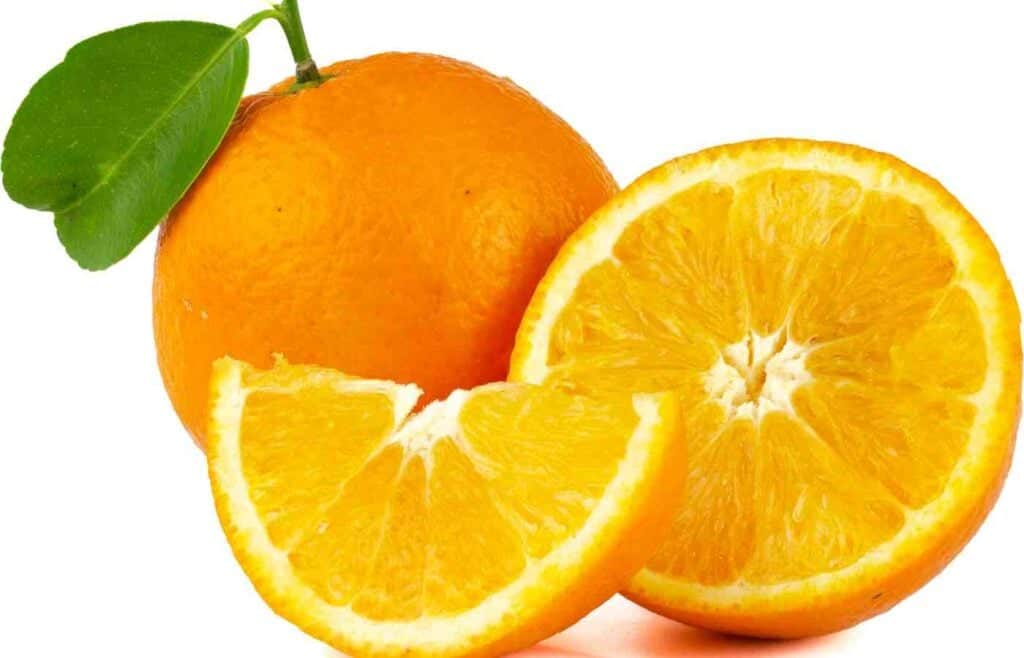
Orange Fizz
Make an orange fizz by mixing its juice with baking soda.
Concept: Acids and bases react to release carbon dioxide gas.
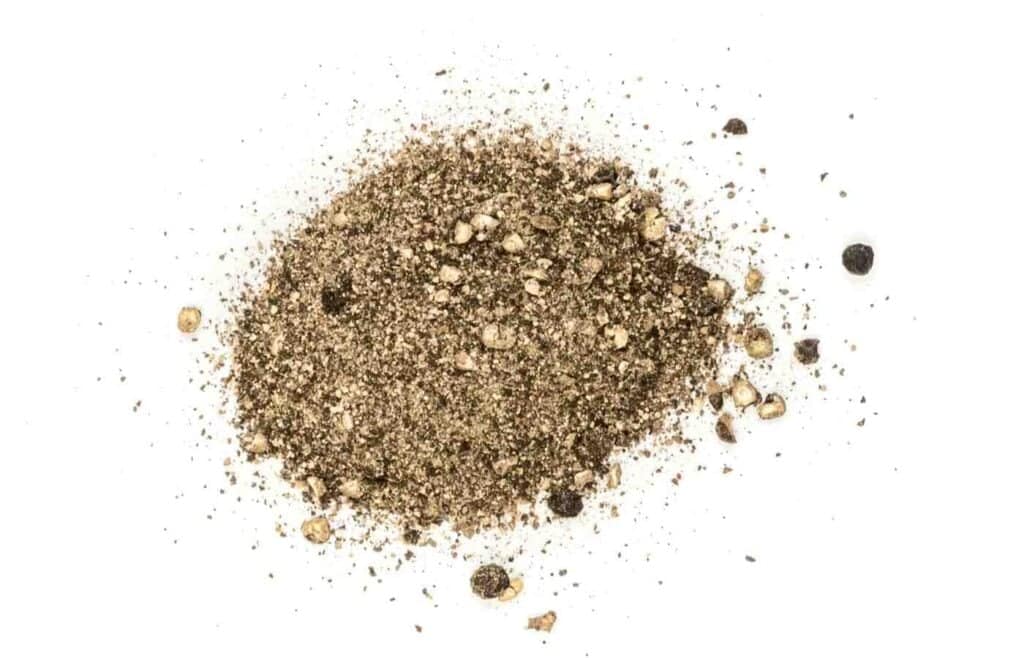
Jumping Pepper
Scatter pepper across water with just a drop of soap.
Concept: Soap breaks the water’s surface tension.
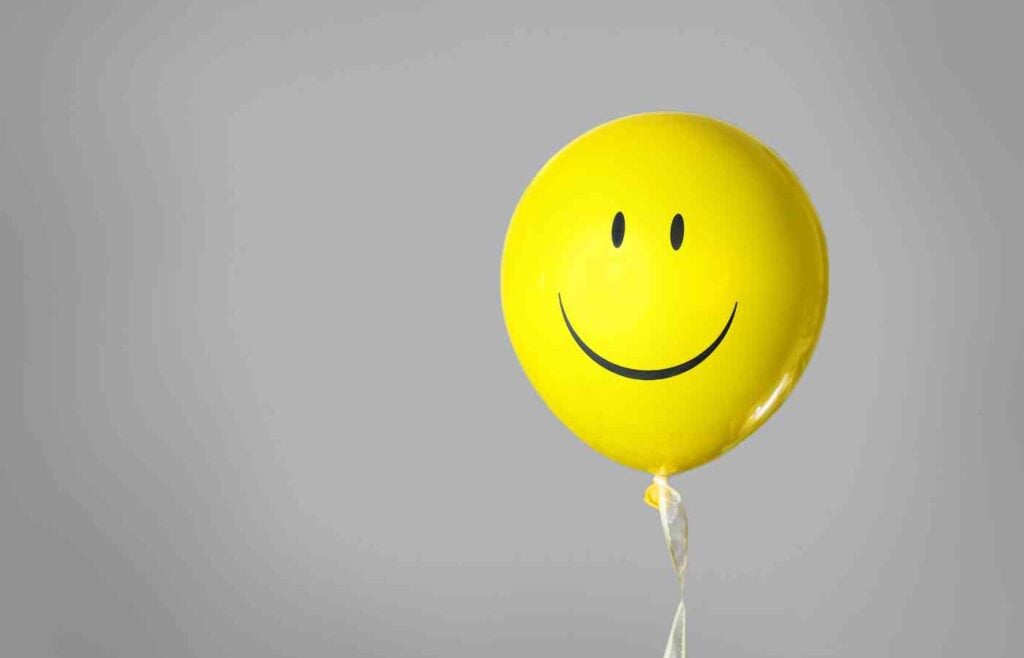
Poke-Through Tricks
Push a pencil through a water-filled bag without leaks, or a needle through a balloon without popping.
Concept: Plastic and rubber stretch around the object to seal the hole.

Light Refraction Magic
Bend light and make objects appear to move with a simple glass-of-water trick.
Concept: Refraction changes how light travels through water and air.
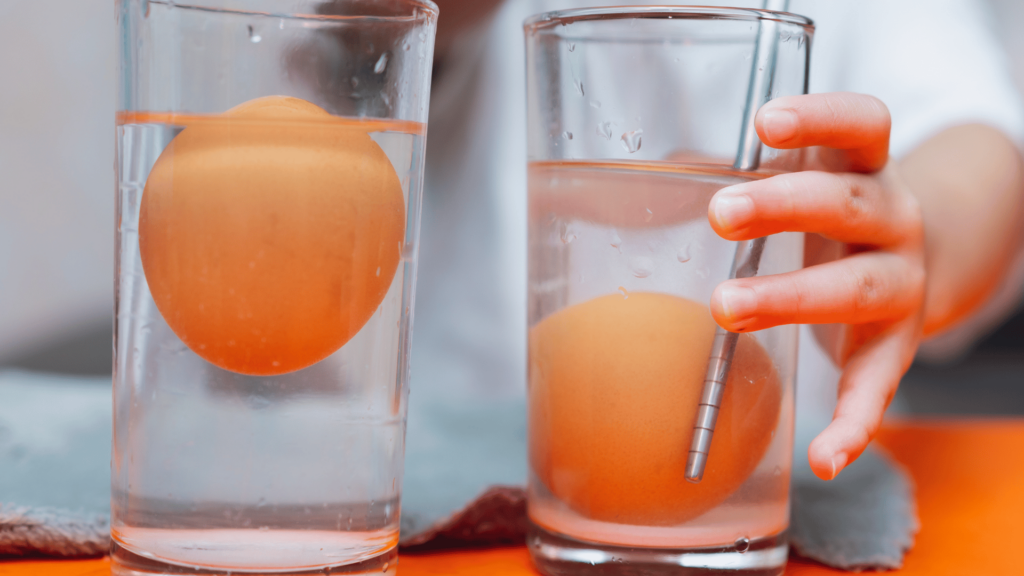
Floating Eggs
Make an egg sink in fresh water and float in salt water.
Concept: Salt increases water density, lifting the egg.
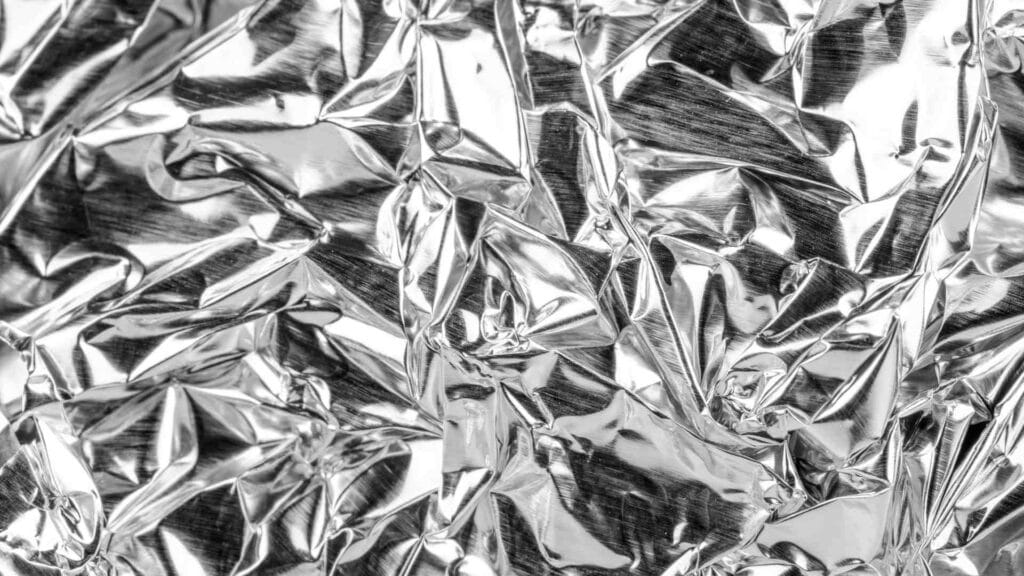
Disappearing Reflection
Crumple aluminum foil until your reflection disappears.
Concept: Rough surfaces scatter light, causing diffuse reflection.
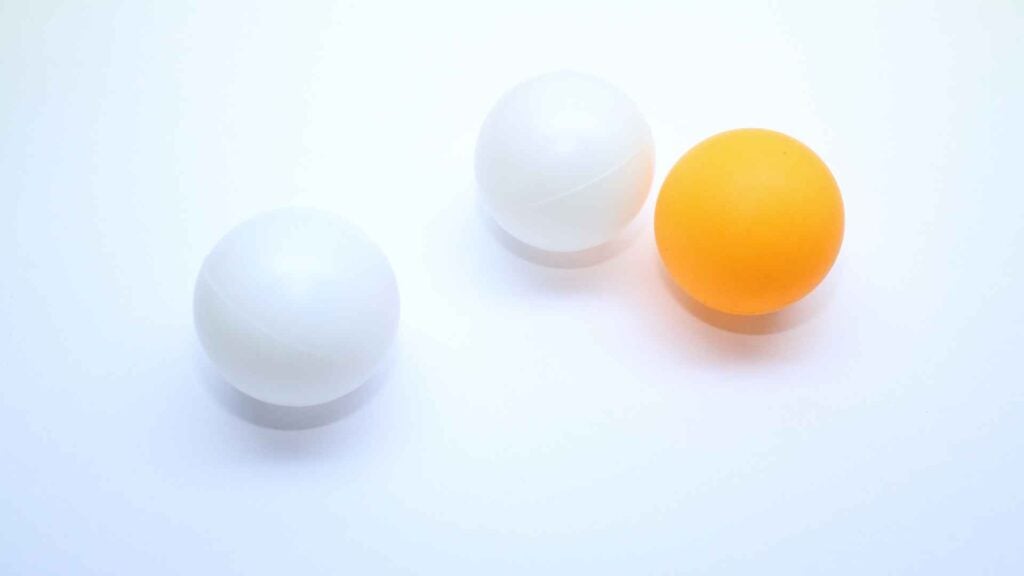
Flying Ping Pong
Float a ping pong ball in the air using a hair dryer.
Concept: Air pressure and Bernoulli’s principle keep it suspended.

Fizzy Toothpaste Fun
Mix baking soda toothpaste with soda for fizzy foam.
Concept: Carbon dioxide from the soda reacts with the alkaline baking soda.
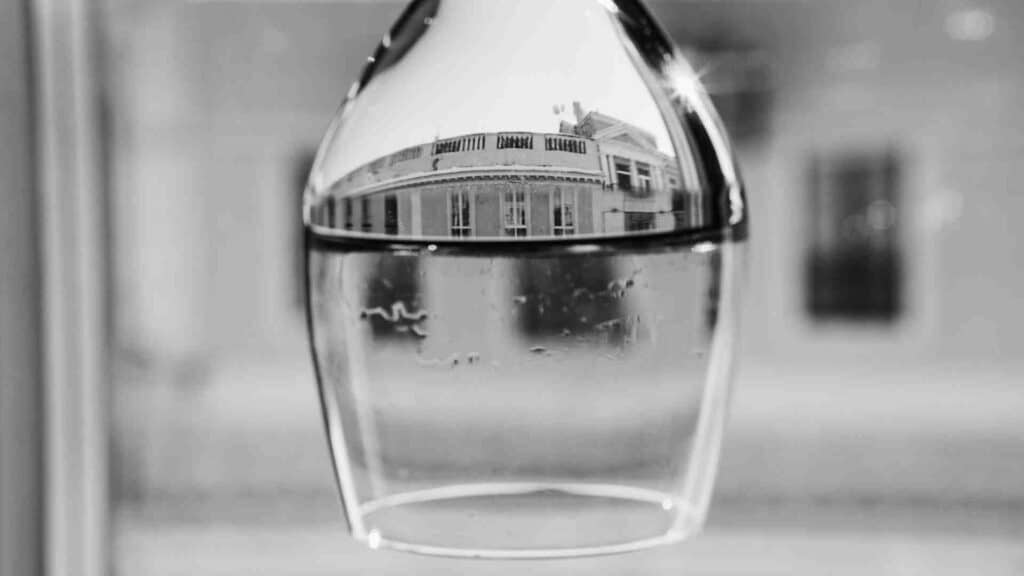
Defy Gravity
Flip a cup of water upside down with a card, and watch the water stay in place.
Concept: Air pressure pushes up and holds the card in place.
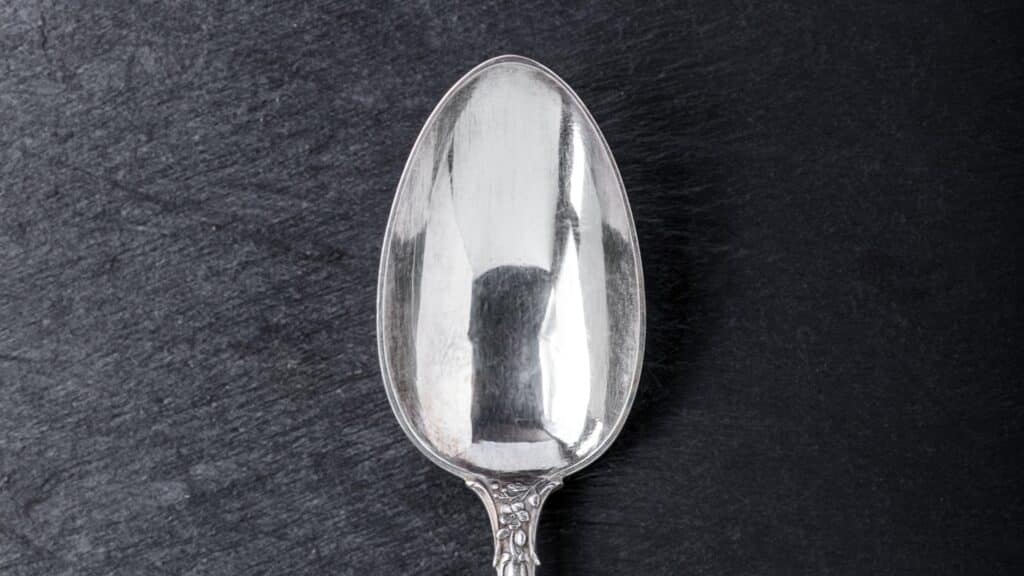
Upside Down Reflection
Look at yourself in a spoon’s curved side, then flip it to see the image change.
Concept: Convex and concave surfaces reflect light differently.
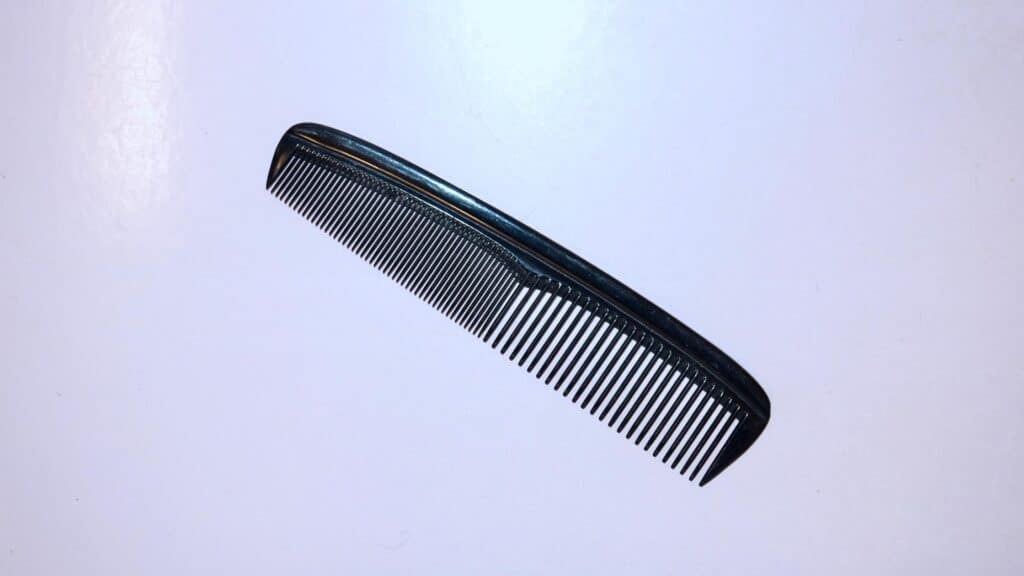
Water Bending Trick
Use a comb charged with static electricity to bend a stream of water.
Concept: Static charges attract the polar water molecules.
Chemistry
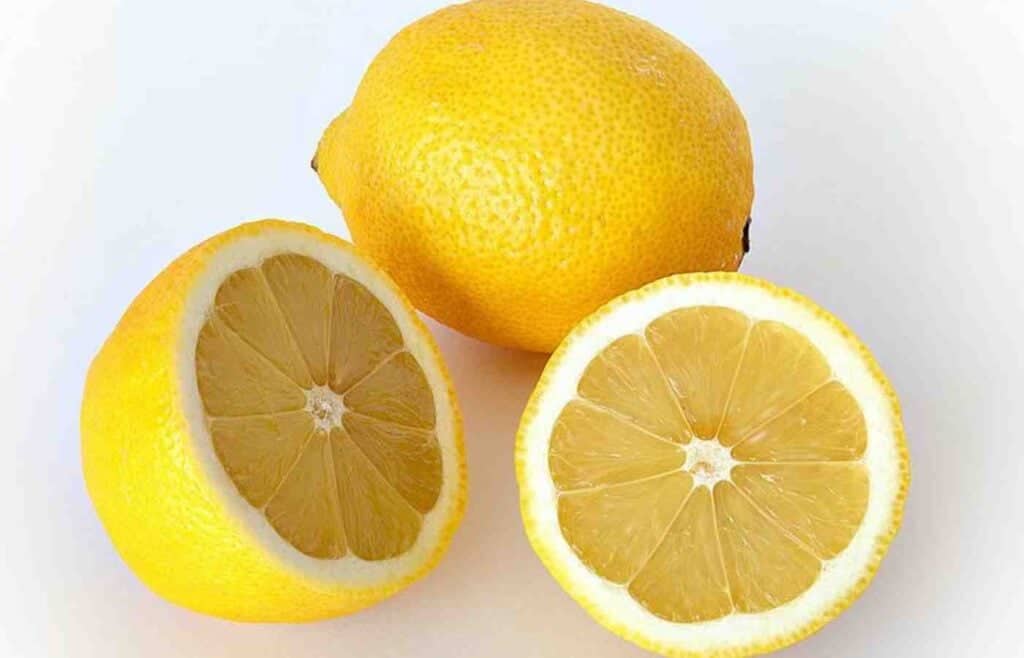
Invisible Ink
Write secret messages with lemon juice, then reveal them with heat.
Concept: Heat oxidizes the lemon juice, making it visible.
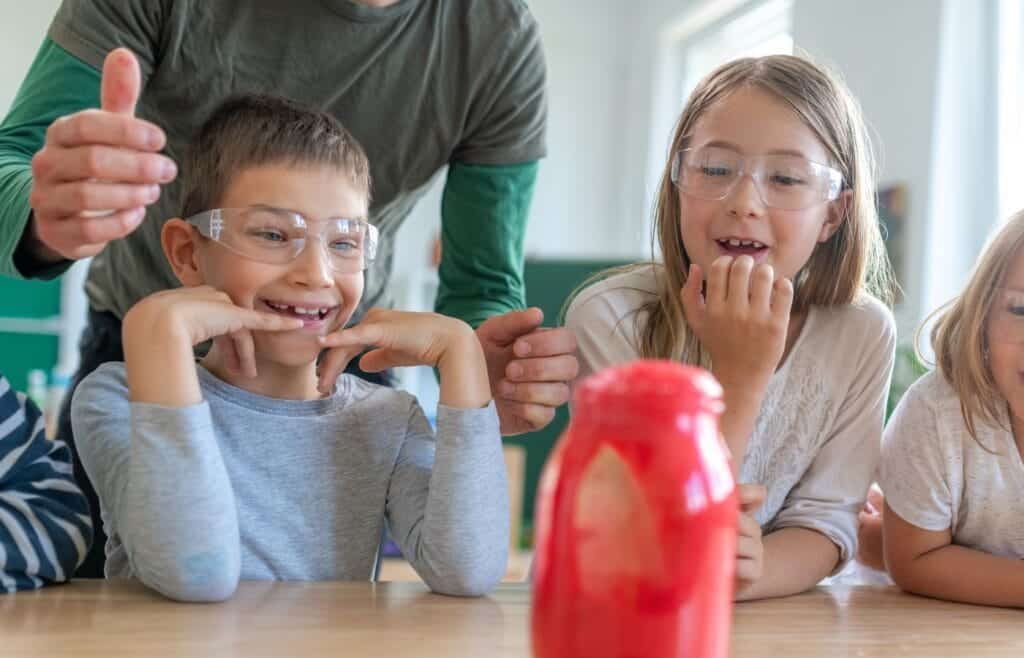
Mini Volcano
Mix baking soda and vinegar to create a bubbling eruption.
Concept: An acid–base reaction releases carbon dioxide gas.
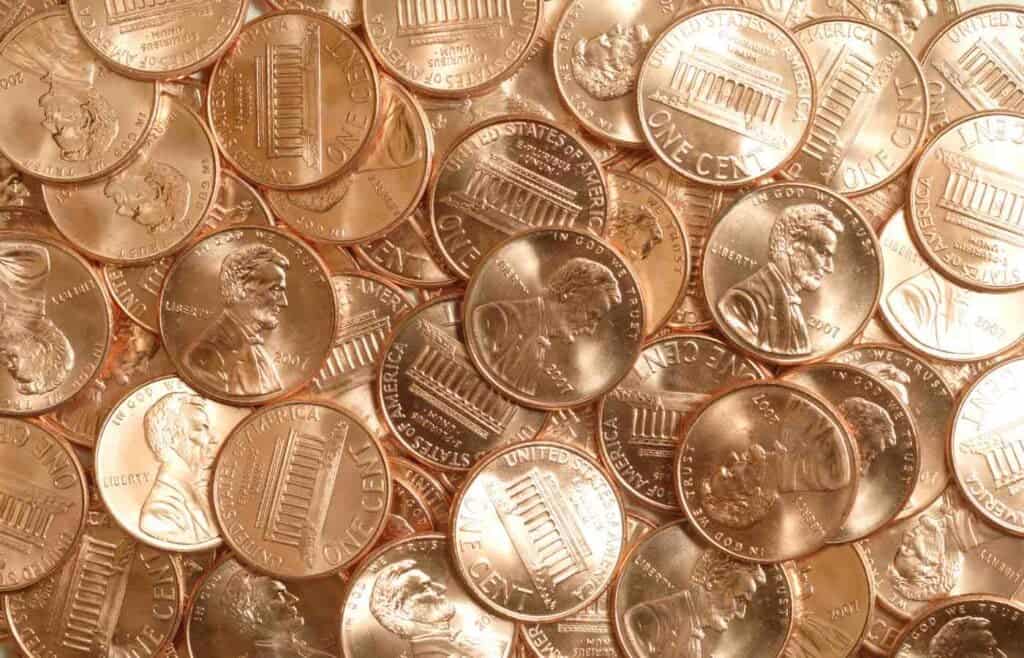
Shiny Pennies
Test different liquids to see which cleans pennies best.
Concept: Acids like vinegar dissolve copper oxide.
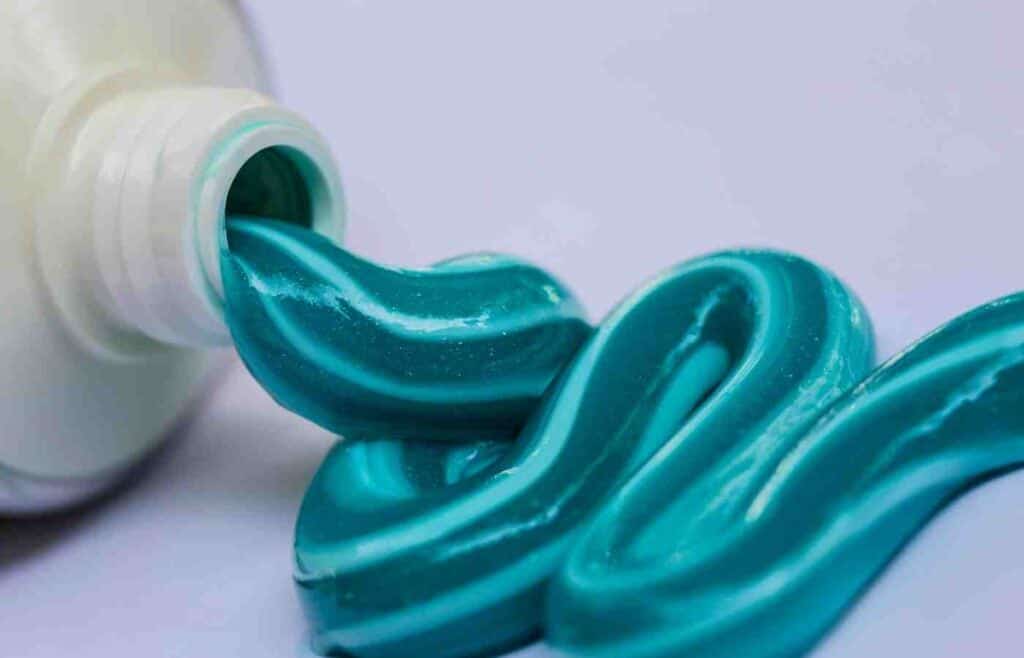
Elephant Toothpaste
Create a foamy explosion using hydrogen peroxide, yeast, and soap.
Concept: A catalytic reaction rapidly releases oxygen gas.
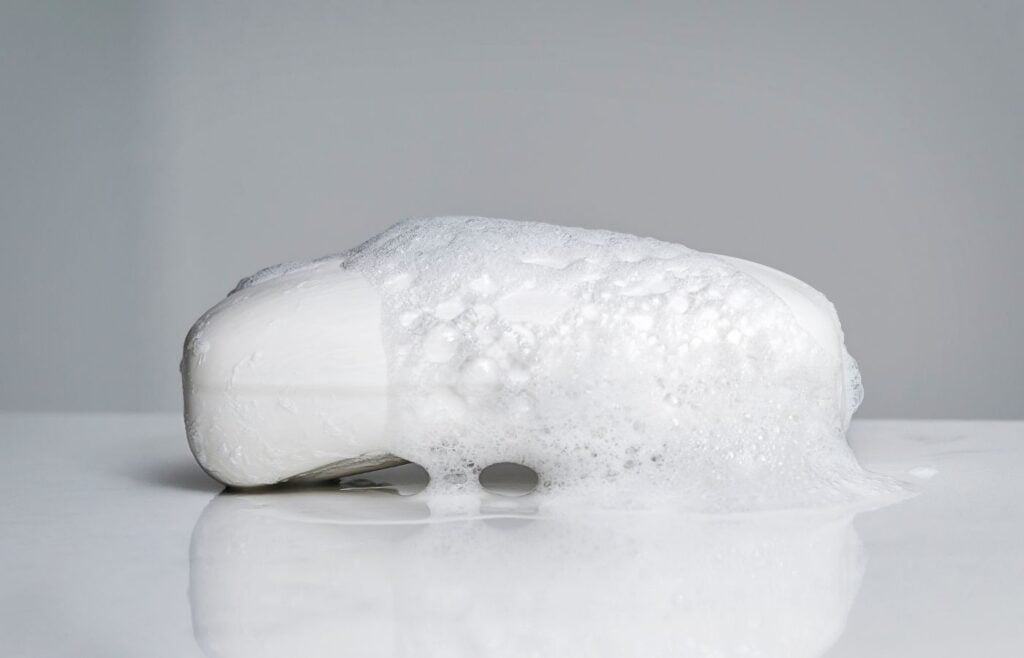
Exploding Soap
Microwave a bar of soap and watch it expand. Concept: Air and water trapped inside the soap heat up and expand.
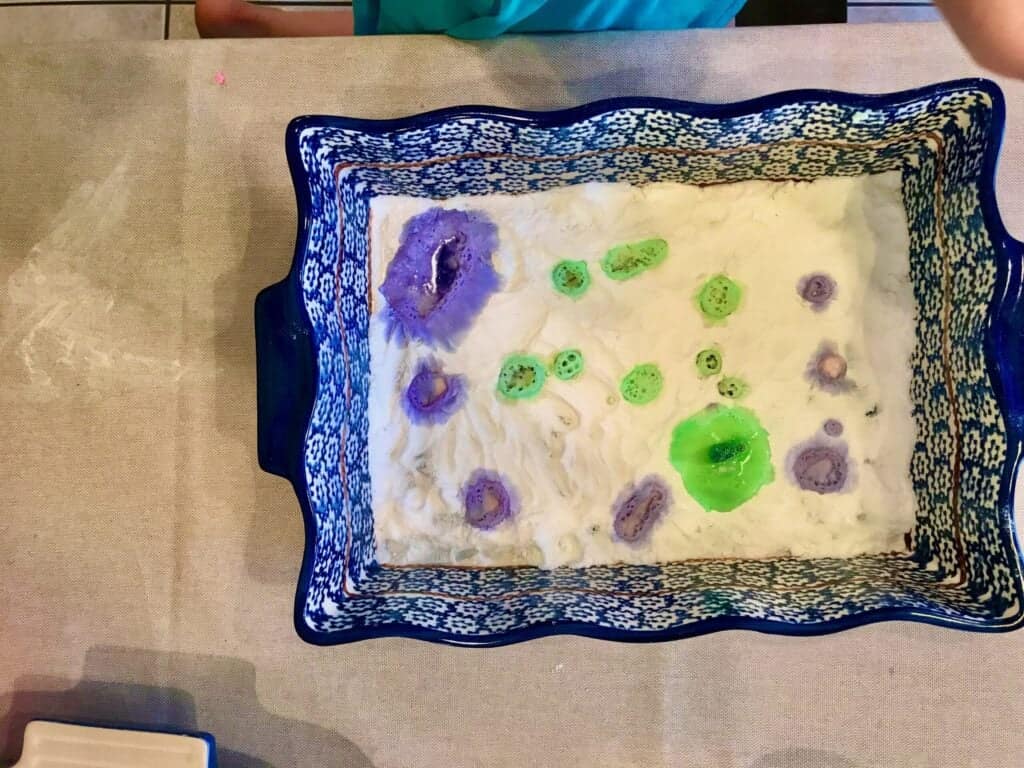
Color Explosion
Combine baking soda, vinegar, and food coloring for colorful fizzing art.
Concept: Acid–base reactions release gas and spread the colors.
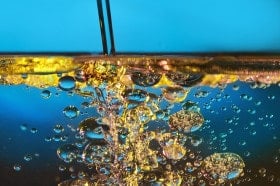
Mixing Impossible
Try to mix oil, water, and food coloring—then see them separate.
Concept: Density and polarity keep oil and water apart.
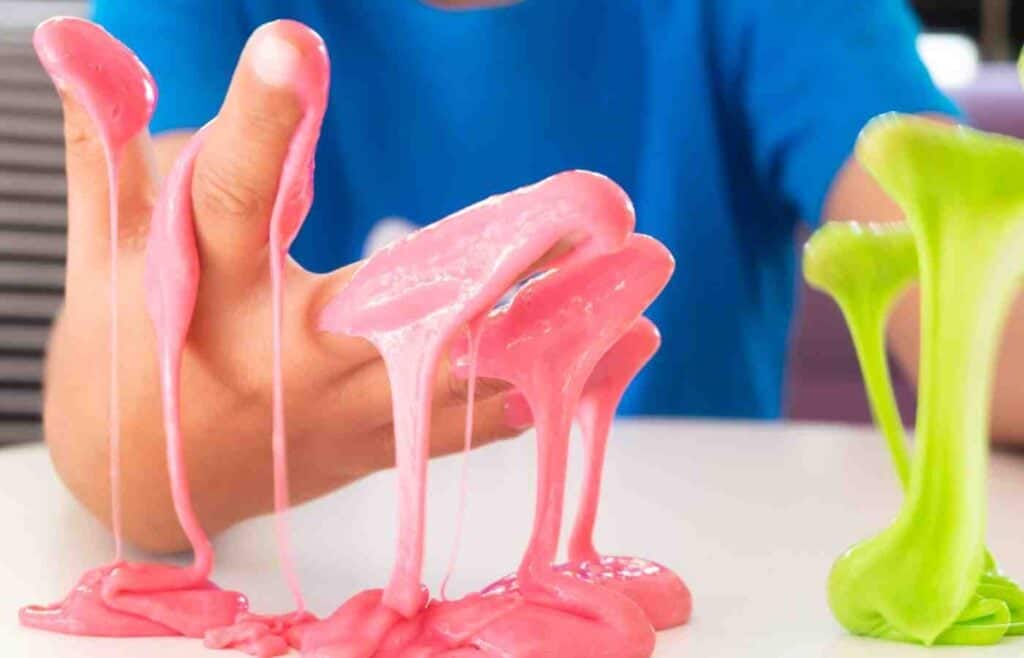
Homemade Slime
Mix glue, water, and borax for stretchy slime. In this basic recipe for slime, you can make some of your own right in your kitchen.
Concept: Polymers create stretchy, viscous material.
More Quick Chemistry Experiments:
- Rock Candy Experiment – Grow colorful rock candy in a glass!
- Naked Egg Experiment – Dissolve an eggshell with vinegar and see the membrane below!
- Balloon Magic – Blow up a balloon without blowing, using vinegar and baking soda.
- Egg Teeth – Explore how sugar affects teeth in this easy experiment.
- Tie Dye: Create vibrant tie-dye patterns while learning about absorption and chemical bonding as dyes react with fabric molecules, becoming a permanent part of the material!
- Make Butter – Shake cream and turn it into butter!
- Ice Cream in a Bag – Turn simple ingredients into delicious ice cream.
- Moldy Bread Experiment – See how important it is to wash your hands in the viral science experiment.
- Exploding baggie – Use a simple chemical reaction to explode a plastic zip close baggie.
- Flame-Proof Balloon – Use cold water to make a balloon resistant to a fire’s flame!
- Rotten Banana Balloon – Use that rotten banana in your kitchen to blow up a balloon. You can also try it with a lemon. (Here’s the Lemon Balloon Trick.)
- Smashing Seashells – Discover how to easily smash seashells with vinegar.
- Super Bubble Solution – Find out how you can make giant bubbles with an easy homemade solution.
- Water Fireworks – Create fireworks in a glass of water using this simple experiment with household ingredient.
- Dancing Corn Experiment – Explore and investigate carbon dioxide by making corn dance.
- Homemade Bouncy Balls – Make your own bouncy ball toys with household ingredients.
- Magic Milk Experiment: Create colorful swirls in milk by adding dish soap, which breaks down the fat molecules and causes the colors to move and mix in a mesmerizing display!
- Melting Snowballs: Create “melting snowballs” by freezing baking soda and water, then adding vinegar to watch them fizz and dissolve in a fun acid-base reaction experiment!
Physics
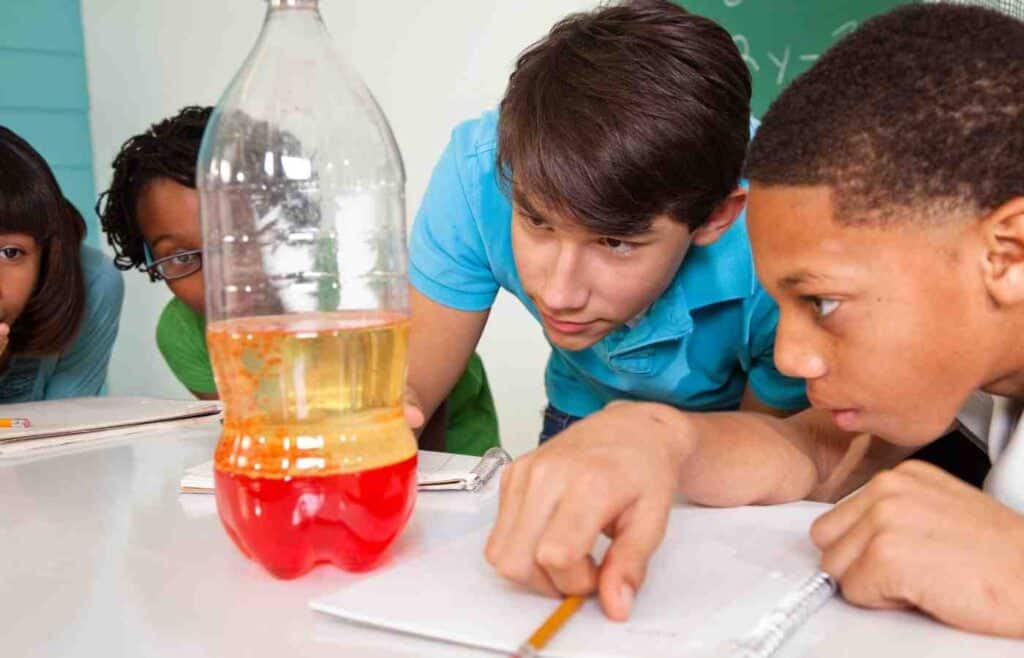
Lava Lamp
Combine oil, water, food coloring, and an effervescent tablet.
Concept: Density differences and bubbles make blobs rise and fall.

Static Electricity Hair
Rub a balloon on cloth to make hair stand up. Concept: Static charges repel and attract.

Dry Erase Marker Magic
Draw on glass, add water, and watch drawings float.
Concept: Ink is insoluble and lifts off smooth surfaces.
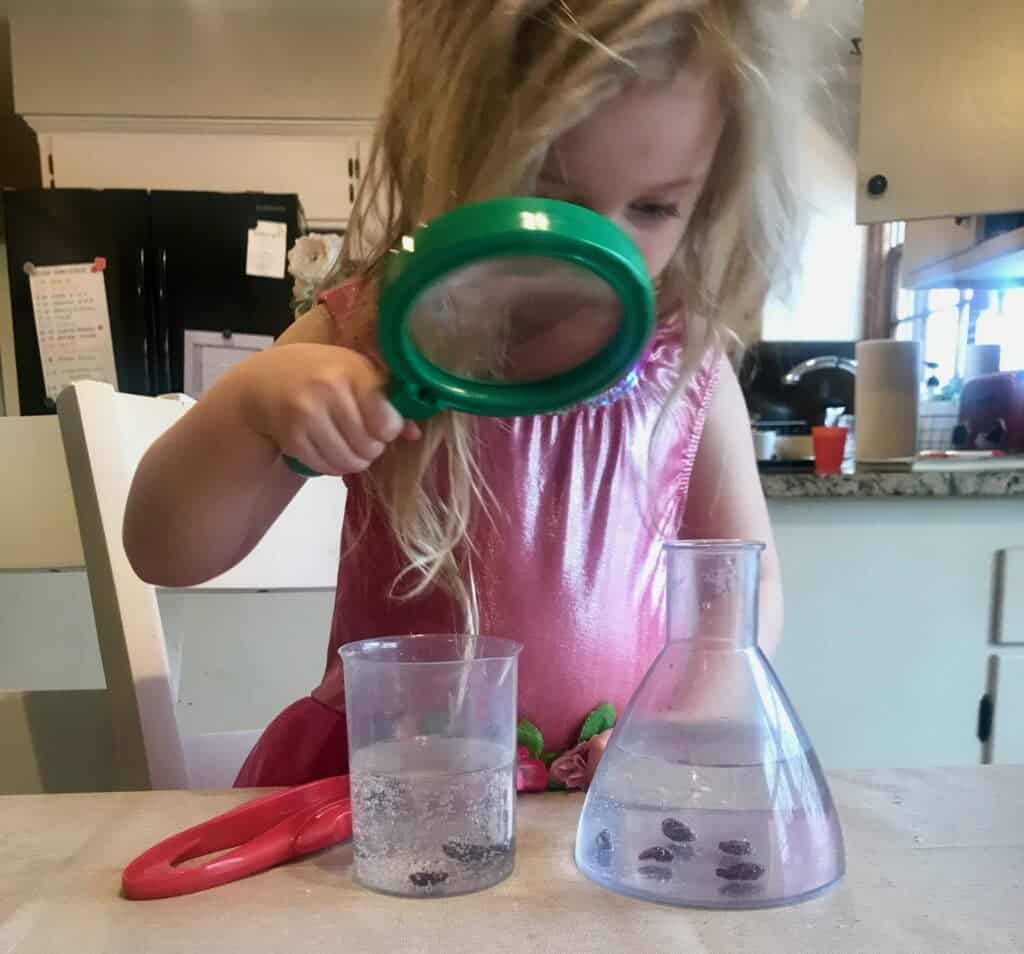
Dancing Raisins
Drop raisins in soda and watch them move up and down.
Concept: Carbon dioxide bubbles change the raisins’ density.
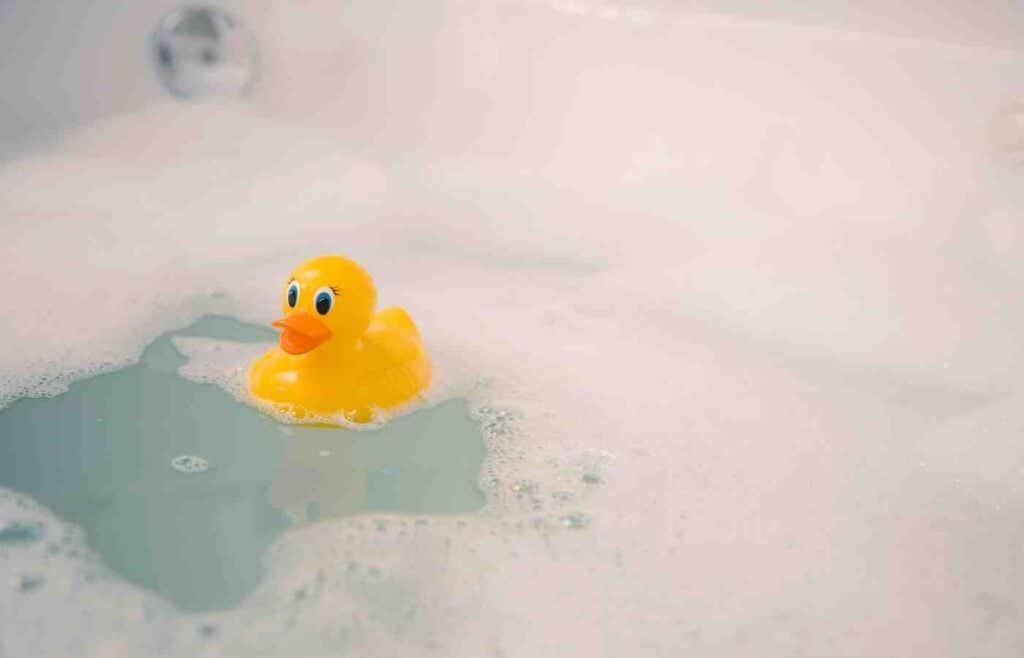
Sink or Float?
Test objects to see which sink or float.
Concept: Objects float if they are less dense than water.
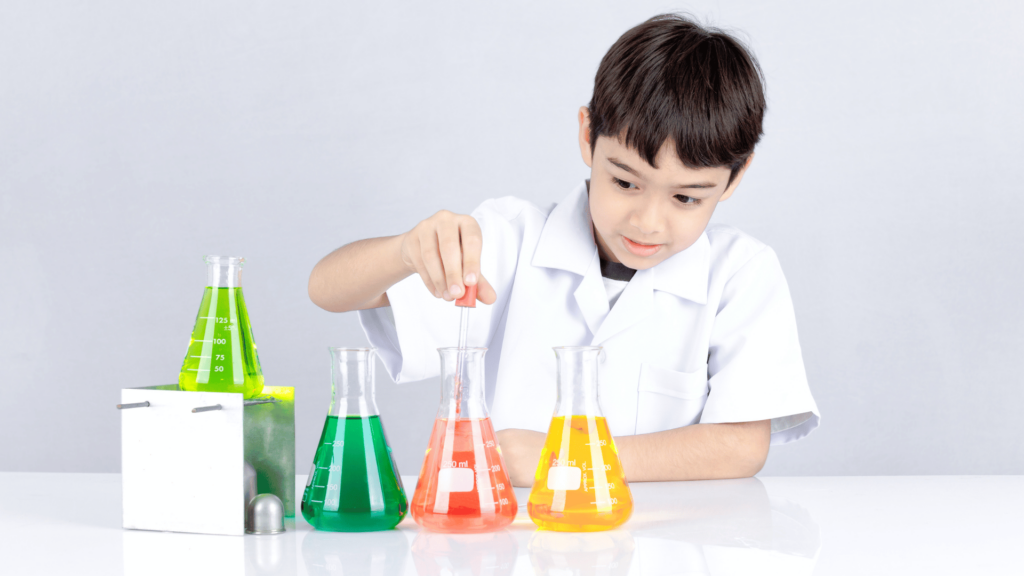
Sugar Water Rainbows
Layer sugar water of different concentrations in a glass.
Concept: Liquids with higher density sink below lighter ones.
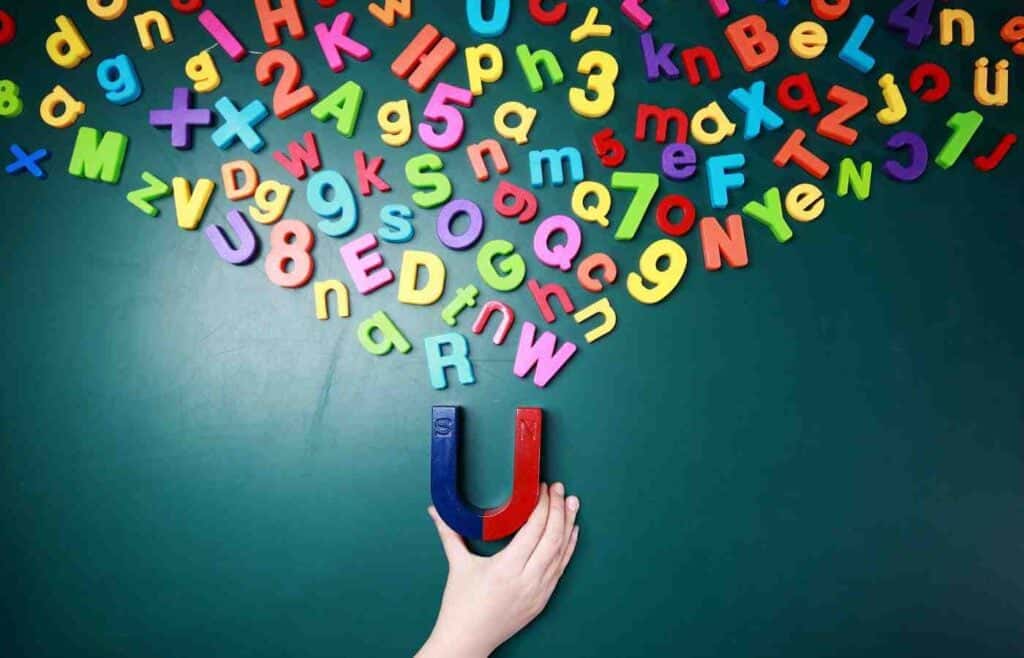
Magnet Magic
Test household items with magnets.
Concept: Magnetism attracts some metals.
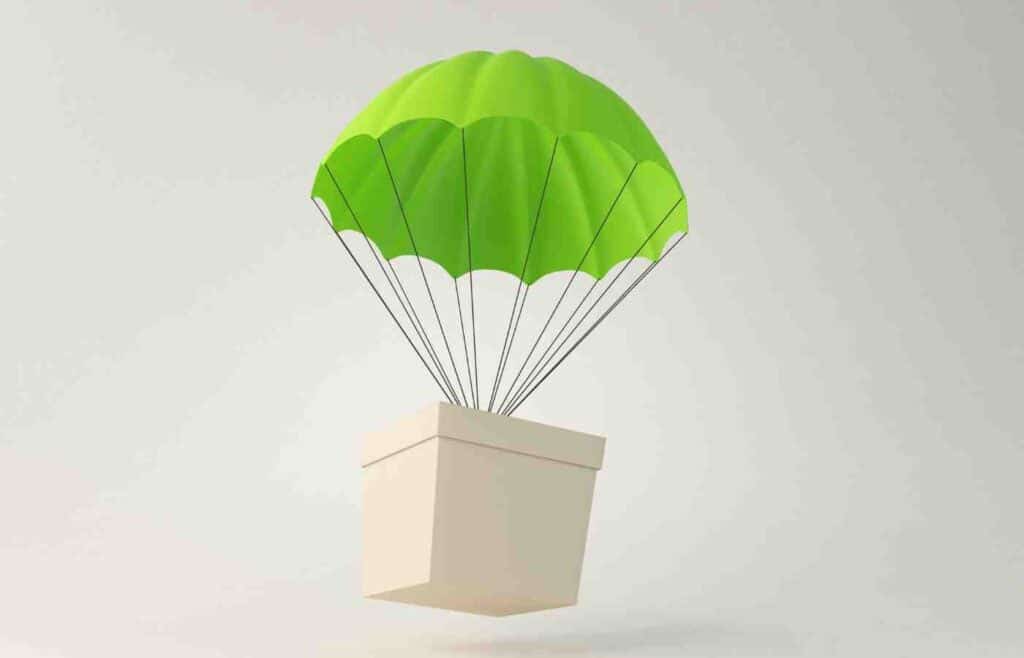
DIY Parachute
Make a parachute from a bag, string, and cup. Concept: Air resistance slows falling objects.
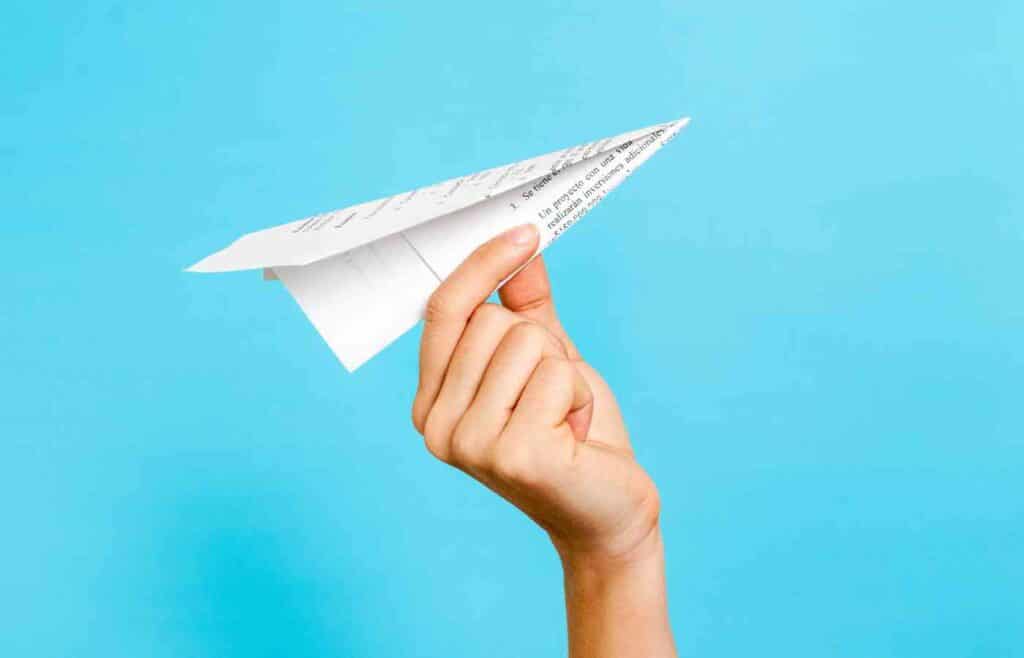
Paper Airplanes
Fold different paper planes and test how they fly.
Concept: Aerodynamics affects lift, drag, and thrust.
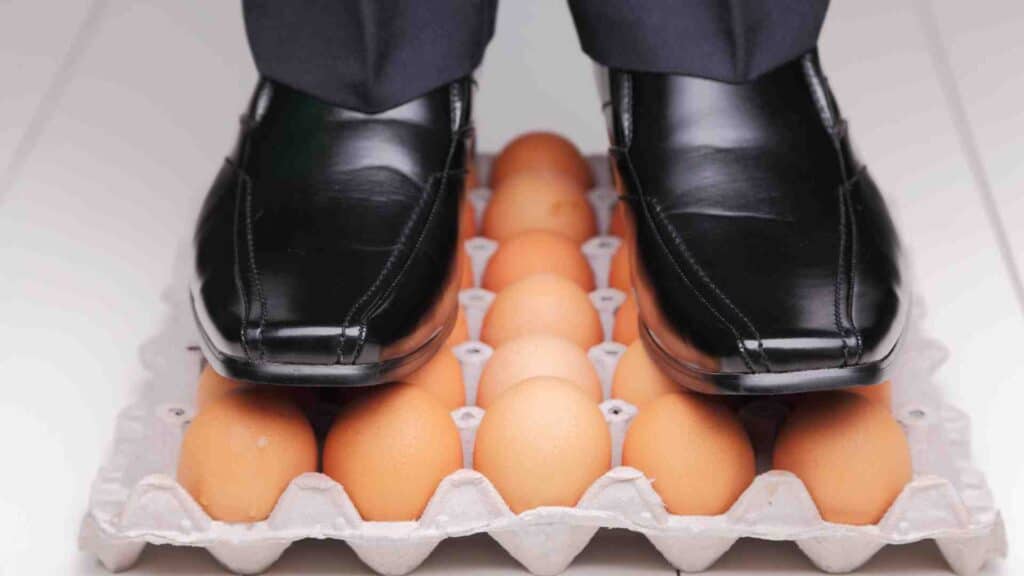
Walking on Eggs
Stand on a carton of eggs without breaking them.
Concept: The eggs’ arched shape distributes weight evenly.
More Quick Physics Experiments:
- Giant Dish Soap Bubbles – Make a giant bubble with household ingredients.
- Layering Liquids – See how liquids can stack on top of each other according to density.
- Liquid Sandwich – Learn about density with water, oil, and honey.
- Step Through an Index Card – Amaze your kids by stepping through an index card that’s been strategically cut.
- Frozen Bubbles – Find out what happens when you blow bubbles in freezing temperatures.
- Big Stick Balance – This surprising experiment will teach kids about balance.
- Soap Boats – Explore density with this easy DIY boat-making activity.
- Dry Paper Experiment – See how you can magically dunk paper in water and not make it wet.
- Magic Napkin – Learn about inertia with a napkin and a plastic cup filled with water.
- Talking String – Learn about sound waves and make a string “sing” by using one simple button.
- Noisy Paper – Create a loud vibration noise with just two pieces of computer paper.
- Make a Rainbow – See how you can easily create your own rainbow.
Biology

Rainbow Celery
Place celery in colored water to see it change color.
Concept: Capillary action moves water through plants.
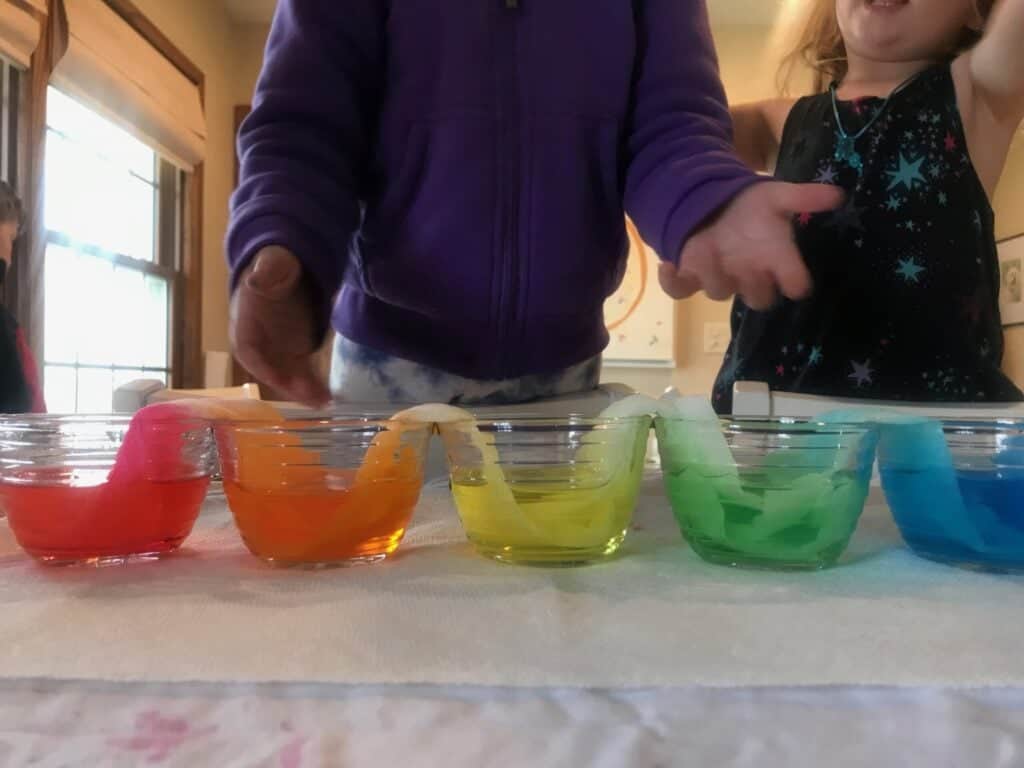
Traveling Rainbows
Watch colors move through paper towels from one cup to another.
Concept: Capillary action transfers water and dye.
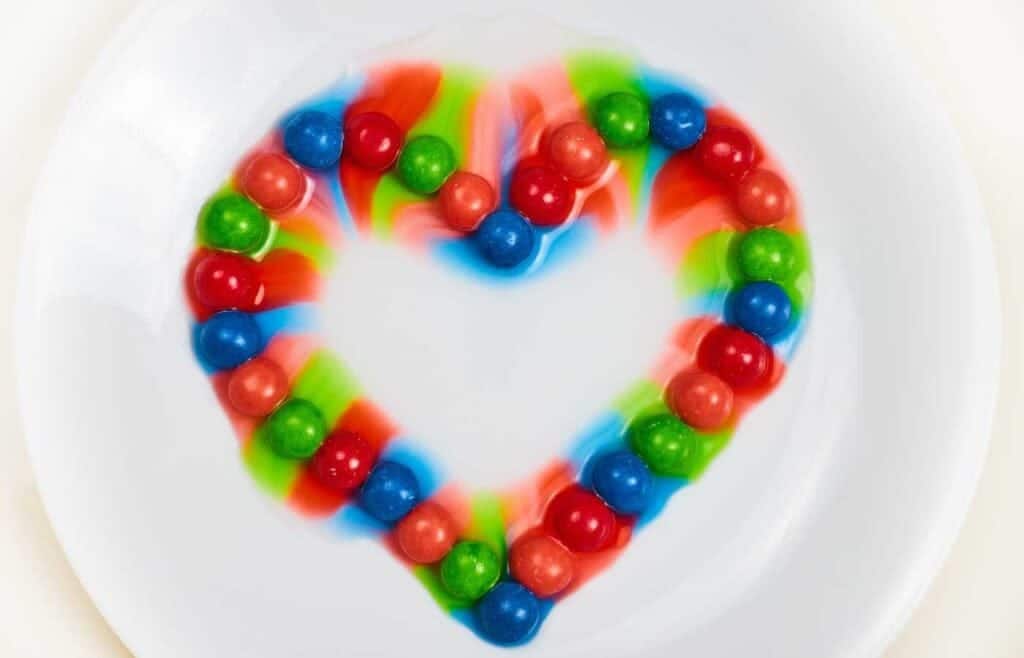
Skittle Heart Experiment
Arrange Skittles, add water, and watch colors spread.
Concept: Sugar coating dissolves, and colors diffuse.
More Quick Biology Experiments For Kids
- Map Your Taste Buds – Learn about your taste buds in this easy mapping activity.
- Growing Gummy Bears – Watch gummy bears grow before your eyes.
- Foot Fat Experiment – Compare the levels of fat in different foods with this simple experiment.
- Fingerprinting – Dive into the infinite world of fingerprints with a no. 2 pencil and paper.
- Sunscreen and Skin – Learn about the human body and how sunscreen works with this simple experiment using sunscreen and construction paper.
- Taste Bud 101 – Learn about the taste buds with this fun and interactive experiment.
🐛 After all that biological hands-on exploring, check out our fantastic best bug movies and other family favorites for some educational screen time.
Earth Science
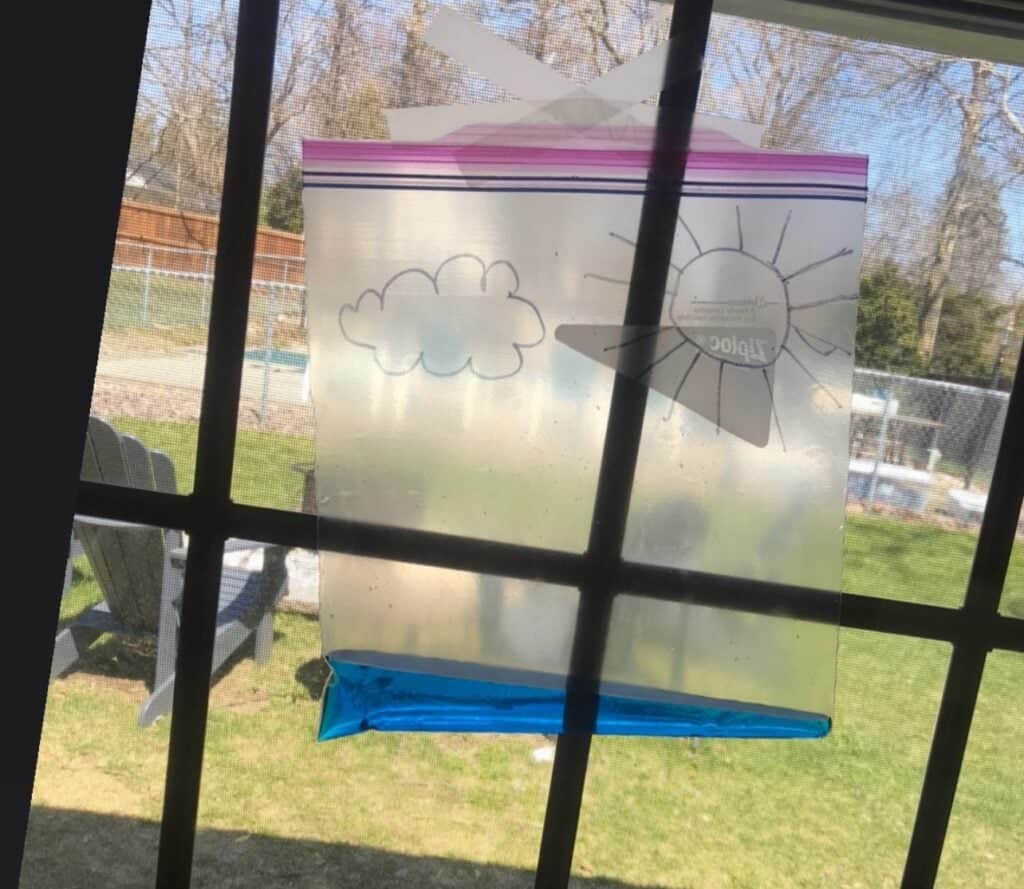
Water Cycle in a Bag
Draw clouds, fill a bag with water, and tape it to a window.
Concept: Evaporation, condensation, and precipitation in action.

Bird Feeder
Thread Cheerios onto a pipe cleaner, shape it, and hang it outside. Try different locations, food, or shapes to see what birds like best!
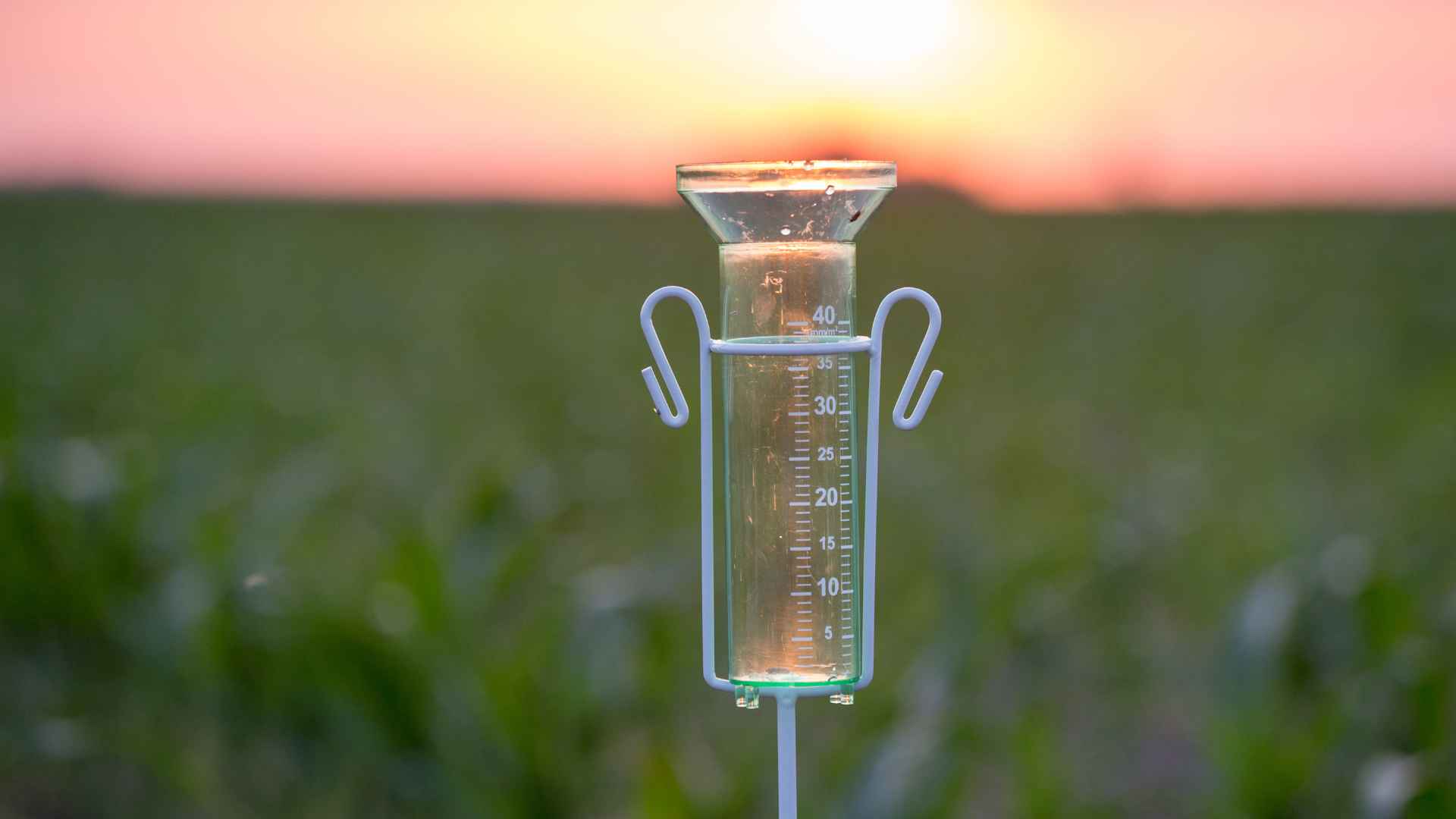
DIY Rain Gauge
Build a rain gauge from a soda bottle.
Concept: Collects and measures rainfall
More Earth Science Experiments:
- Solar Oven S’mores – Cook up a tasty snack in a solar oven.
- Human Sundial – Become a human sundial to learn about solar patterns.
- Windowsill Trash – Demonstrate how the heat of the sun helps trash decompose
- Tornado in a Bottle – Create a cyclone in a bottle in this classic, simple experiment.
- Make a Sundial – Learn how to tell time with the sun by making a simple sundial.
- Shaving Cream Rain Clouds – learn about the water cycle with shaving cream. The shaving cream represents the rain cloud and the water is the atmosphere.
Engineering/Technology

LEGO Boats
Build a LEGO boat and test how much weight it holds.
Concept: Buoyancy and design affect stability.
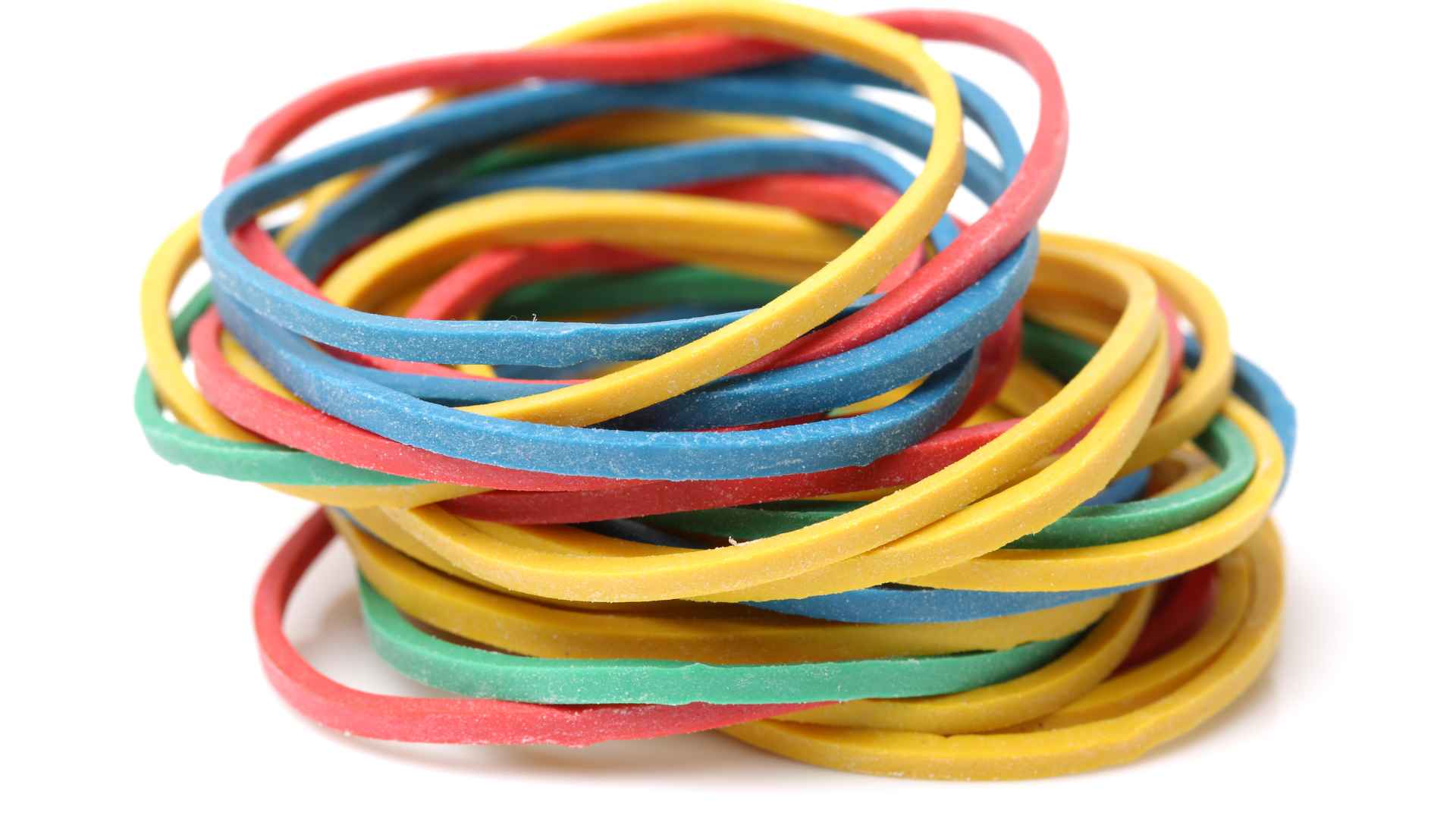
Rubber Band Guitar
Stretch rubber bands over a cup to make sounds.
Concept: Different thicknesses vibrate at different pitches.
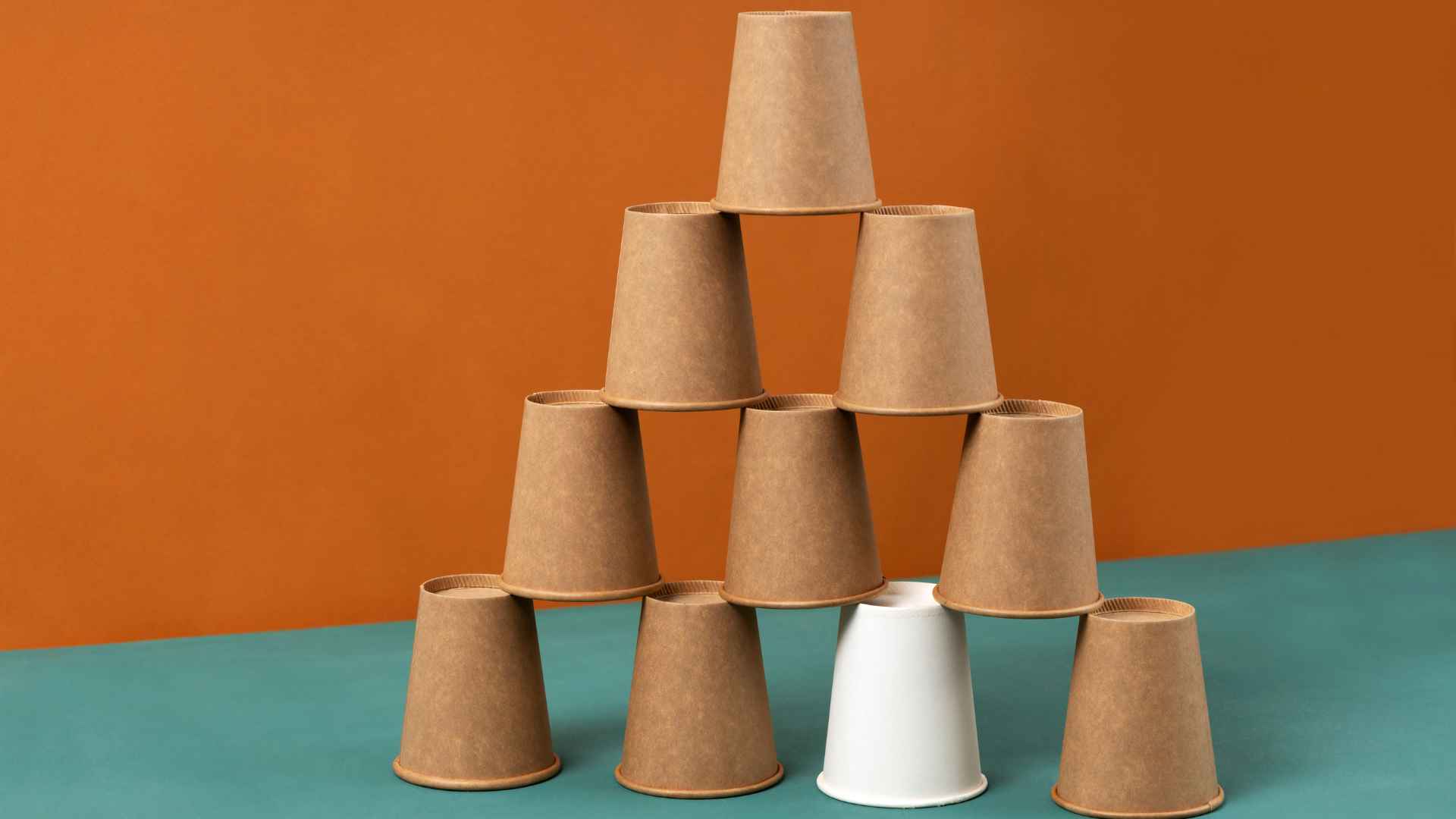
Paper Cup Tower
Stack cups and cardboard strong enough to hold a child.
Concept: Balance and distribution support weight.
More Engineering Experiments for Kids:
- Egg Drop Project – See if you can build a contraction to protect an egg from breaking.

More Hands-On Fun for Curious Kids
If your kids love experimenting, exploring, and getting hands-on, we’ve rounded up even more resources to keep their creativity flowing.
Try More Easy Activities at Home
Looking for even more quick ideas that use simple supplies? Explore our full collection of kid-approved activities you can do right in your living room or backyard.
👉 At-Home Activities for Kids →
Grade-Level Science Activities
Find age-appropriate projects that match your child’s interests and learning level:
- 50 Awesome Science Experiments for Fourth Graders
- Cool Cold Weather Science Experiments for Kids
- Best Science Trivia Questions for Kids
- Must-Read Science Books for First Graders
STEM-Friendly Guides Kids Love
Families who enjoy hands-on science activities often explore these related guides:
- STEM Opportunities Around Milwaukee – Local camps, classes, workshops, and makerspaces
- Outdoor Activities for Kids – Explore, observe, collect, and experiment outside
Explore More Science in the Real World
If your child is fascinated by how things work, these parent-friendly guides are a great next step:
- How Stuff Works (kid-friendly videos and explainers)
- Science News Explores (latest science stories for curious kids)
Share Your Experiment Ideas
Do you have an easy science activity your child loves? We’d love to add it.
Email us at hello@mkewithkids.com anytime!
FAQ: Science Experiments for Kids
You can try making a mini volcano with baking soda and vinegar, creating invisible ink with lemon juice, or exploring static electricity with a balloon. These experiments use everyday materials and are quick to set up.
Yes! Experiments like the dry erase marker magic or the static electricity hair experiment are virtually mess-free and perfect for indoor activities.
These experiments are designed for kids of all ages, from preschoolers to tweens. Adjust the level of adult supervision based on the complexity of the activity.
Most experiments take 30 minutes or less, making them ideal for short attention spans and busy schedules.
Absolutely! They introduce kids to core principles in chemistry, physics, biology, and engineering in a fun and engaging way.
While many experiments are safe for kids to explore, some, like elephant toothpaste or the exploding soap, require adult supervision for safety.
Kids can learn about chemical reactions, density, light refraction, magnetism, and more while enhancing their curiosity and problem-solving skills.
Outdoor-friendly experiments include the water cycle in a bag, making rain gauges, or creating a solar oven to cook s’mores.
No special equipment is needed! Most activities use common household items like dish soap, food coloring, and vinegar.
Check out additional resources like science trivia, educational videos, and curated lists of experiments at sites like Science News Explores or How Stuff Works for even more inspiration!

Calie Herbst, Editor-in-Chief of Milwaukee With Kids, has spent over a decade combining her experiences as a parent of three to create a hub for Milwaukee’s family adventures.
Her decade-long teaching career in Milwaukee Public Schools and academic background, including a Master’s in Teaching from Marquette University and dual B.A.s in Sociology and Spanish from the University of Wisconsin – Madison, fuel her passion for inclusive and engaging family content.
Calie is also a recognized voice in local media, contributing to WISN Channel 12 News, WTMJ Wisconsin Morning News, Fox 6’s Real Milwaukee, and B93.3.
Discover more about Calie’s journey and editorial approach on her About Page and Editorial Policy Page.