


Save This For Later
If you’re looking for age-appropriate activities for your 2-month-old baby, you’re in the right place. At this stage, your little one is becoming more alert, more expressive, and more curious about the world – even if their wake windows are short.
These simple, developmentally supportive ideas can help strengthen early skills like head control, vision, bonding, and sensory awareness.
💡If you want ideas for every stage, here’s our full roundup of age-appropriate baby activities to explore from newborn through toddlerhood.
Quick Picks: Best Activities for a 2-Month-Old
These quick ideas help you match activities with your baby’s mood – whether they’re alert, fussy, or winding down.
Best developmental activity: Tummy Time
Helps build neck and upper-body strength.
Try this: Roll a small towel under their chest to make it easier and comfier.
Best bonding activity: Baby Massage
Promotes relaxation, digestion, and emotional connection.
Try this: Do it right after a warm bath when your baby is naturally calmer.
Best sensory play: Water Play (Supervised & Shallow)
Supports tactile exploration and body awareness.
Try this: Let baby splash with hands/feet in ½ inch of warm water for just a few minutes.
Best visual activity: Baby-Safe Mirror Time
Encourages visual tracking and early social development.
Try this: Prop the mirror at a slight angle so they can see both you and their reflection.
Best soothing activity: Nursery Rhyme Singing
Your voice regulates your baby’s nervous system and builds early language pathways.
Try this: Repeat the same short rhyme a few times—babies love consistency.
Best outdoor activity: Short Stroller Walks
Fresh air and natural light support sleep patterns and sensory development.
Try this: Narrate what you see (“a red car…a tall tree…a barking dog”) for bonus language exposure.
Best easy, no-prep activity: Facial Expression Mimicking
Supports emotional development and strengthens your bond.
Try this: Stick to slow, exaggerated expressions—they’re easier to track.
Best household multitask activity: Babywearing Chores
Keeps baby close while gently stimulating their senses.
Try this: Choose slow, rhythmic chores (laundry folding > dish scrubbing).
What Can a 2-Month-Old Do?
Every baby develops at their own pace, but many 2-month-olds are beginning to:
- Lift their head briefly during tummy time
- Become more alert and respond to voices
- Track slow-moving objects with their eyes
- Smile socially
- Recognize familiar faces and sounds
- Enjoy gentle movement and simple sensory play
The activities below support these early developmental milestones in safe, simple ways.
25 Simple Activities for Your 2-Month-Old Baby
1. Tummy Time
Tummy time is one of the best activities for your 2-month-old baby — it builds neck, shoulder, and core strength and sets the stage for rolling and crawling later on.
Where to do it:
- Use a firm, flat surface like a play mat or blanket on the floor.
- Keep the area clear of pillows, loose blankets, or anything your baby could roll into.
How to offer tummy time:
- Start with 1–3 minutes at a time, a few times a day.
- Try laying baby on your chest so they lift their head to see your face.
- Use side-lying tummy time (baby on their side with a rolled towel behind their back) if full tummy time is too frustrating at first.
- Place a high-contrast card or small mirror at eye level to encourage lifting and looking.
Safety notes:
- Always stay within arm’s reach and watch their face and breathing.
- If your baby falls asleep during tummy time, gently move them onto their back in a safe sleep space.
- Stop and try again later if they seem very upset or overwhelmed.
Tiny, consistent sessions matter more than long ones — even a few minutes a day adds up.
2. Facial Expressions + “Slow-Mo Faces”
Most babies love slow, exaggerated expressions — but try a variation:
Move your face side to side very slowly while changing expressions. This helps strengthen early tracking and teaches your baby how faces shift and move.
3. Colorful Toy Tracking + “Toy Pause Game”
Hold a toy in their line of sight and move it slowly — but occasionally pause and let them re-locate it.
Pausing helps babies practice visual re-engagement, which is a quiet but important early skill.
4. Reading Time + “Hand Over Hand Page Touches”
Let your baby place their hand on the page while you turn it. Even if they can’t hold anything yet,
that brief contact reinforces cause and effect and adds a tactile layer to story time.
💡Looking for great books to start with? Explore our 100 Best Baby Books for Your Nursery.
5. Baby Massage with “Exploration Stops”
Pause on each body part for a moment:
“Here are your strong legs.”
“Here is your soft belly.”
Narration gives emotional grounding and helps your baby begin connecting language to body awareness.
6. Baby-Safe Mirror Play + “Half-Mirror, Half-You” Technique
Mirror time is surprisingly rich for a 2-month-old. They don’t know it’s “them” yet, but they’re fascinated by faces, movement, and contrast.
What counts as a baby-safe mirror?
- Made from shatter-resistant or acrylic material
- Rounded or padded edges
- Designed to be propped or attached securely without risk of breaking
How to set it up:
- Place the mirror on the floor, secured so it can’t tip over, or attach it firmly to a play gym or wall at baby’s level.
- Position your baby on their back or tummy facing the mirror.
Ways to play:
- Sit so the mirror shows half your face and half your baby’s — they can compare both.
- Slowly move your head or make gentle expressions and let them watch the change.
- Tap the mirror lightly and say, “There’s the baby!” or “There’s your nose!”
This simple mirror play supports visual tracking, early social awareness, and gives them something interesting to focus on during short tummy time sessions.
7. Rattle Play + “Directional Sound”
Instead of shaking randomly, shake the rattle:
- above
- below
- to the left
- to the right
This builds early sound localization. Go slowly so their brain can process what’s happening.
8. Peek-a-Boo Variations
Switch between:
- hands
- a soft scarf
- hiding your face behind their lovey
Different textures make the game more sensory-rich without overstimulation.
9. Outdoor Stroll + “Narration Walk”
Name what your baby is hearing — “that’s a bird,” “that’s the wind,” “that’s a truck.”
At this age, your voice + real-world sounds = powerful learning combo.
10. Footprint Art + “Texture Check”
Let your baby feel a clean paintbrush on their foot before painting.
That gentle tickle teaches sensory awareness and trust in new sensations.
11. Gentle Dancing + “Heartbeat Rhythm”
Sway side-to-side in time with your own breathing or heartbeat. Babies intuitively relax into the rhythms their bodies learned in the womb.
12. Singing Time + “Call and Pause”
Sing a line, pause, and watch.
Many babies gurgle or coo back — this is the very beginning of conversational turn-taking.
13. Play Gym Exploration + “One Toy at a Time”
Most gyms are overstimulating if everything is dangling at once.
Try removing a few toys and featuring only one high-contrast object.
Babies focus better with fewer visual elements at this age.
14. Animal Sounds + “Slow Flip Show”
Hold a picture book or flashcard and turn it very slowly.
Two-month-olds can’t handle fast changes in their visual field — slow flips let them absorb the shapes more clearly.
15. Narrate Your Day + “Sensory Naming”
When you narrate, add one sensory detail:
“This shirt is soft.”
“The water is warm.”
“The towel is fluffy.”
It helps babies begin connecting language with sensory experience.
16. Water Play (Supervised Only) + “Drip Drops”
Water play for a 2-month-old should be very short, very shallow, and fully supervised — think sensory introduction, not “splash session.”
- Use a small basin or baby tub on the floor with just a thin layer of lukewarm water.
- Support your baby’s upper body with your arm or keep them on a dry towel and gently drip water onto their hands or feet with a washcloth.
- Add one or two floating baby-safe toys if you’d like, but keep it visually calm.
Always keep one hand on your baby and never leave them near water, even for a moment. A few minutes is plenty at this age.
17. Family Face Time + “One Emotion Per Face”
Have each family member bring a single expression:
Grandma = smile
Sibling = surprised face
You = happy
Partner = soft “hello” face
Babies learn emotional differentiation long before they learn language.
18. Gentle Tickles + “Back-of-Hand Touches”
Babies often respond differently to being touched with:
- your fingertips
- the back of your hand
- a soft fabric
This “same motion, different texture” approach builds sensory awareness without overwhelming.
19. Bubbles + “Resting Bubble” Moment
Blow bubbles and then gently catch one on your hand or a blanket so it sits still.
Your baby gets extra time to observe the shape and shine.
20. Chores in the Baby Carrier + “House Sounds Tour”
Narrate the household sounds as you hear them:
“This is the washing machine.”
“That’s the refrigerator humming.”
“This is the faucet.”
Babies love predictable patterns — and homes are full of them.
21. Social Listening + “Gentle Introduction Rule”
If your baby gets overwhelmed easily, introduce one new voice at a time and give them a minute to scan the room.
It teaches them to anchor onto familiar cues before taking in new ones.
22. Nursery Rhyme Time + “Same Rhyme, New Speed”
Say it slowly once, then sing it.
Then whisper it.
Then stretch the vowels.
It keeps their attention by letting their brain hear variation within repetition.
23. Soft Block Knock-Down + “Set Up by Color”
Stack only blocks of one color at a time.
Two-month-olds can’t identify colors yet, but simplifying the visual field helps them better focus on cause-and-effect.
24. Colorful Mobile + “One Movement at a Time”
Stop the mobile with your hand.
Let it go slowly.
Stop it again.
That on/off pattern teaches predictability and object movement.
25. Exploring New Sounds + “Texture + Sound Pairing”
Pair each sound with what’s making it:
- crinkle a fabric, then let them touch it
- tap a soft block, then let them hold it
- shake a rattle, then place it near their hand
Infants learn best when sound + touch + visual connect.
These early months are full of tiny milestones, slow afternoons, and those sweet flashes of connection that make the long days feel worth it. The activities above aren’t about doing more — they’re about giving your baby simple ways to explore their world while helping you feel a little more confident along the way.
And remember: every two-month-old develops at their own pace. If your baby loves one activity and isn’t into another, that’s completely normal. Follow their cues, keep things short and calm, and enjoy this brief stage while you’re in it.
You’ve got this — and you’re doing better than you think.
More Baby Activity Ideas
- Best Activities for Three Month Old
- Best Activities for Your 4 Month Old Baby
- Simple Activities for a Five Month Old
- 100 Must-Read Baby Boy Quotes
- 50 Beautiful Songs About Having a Baby
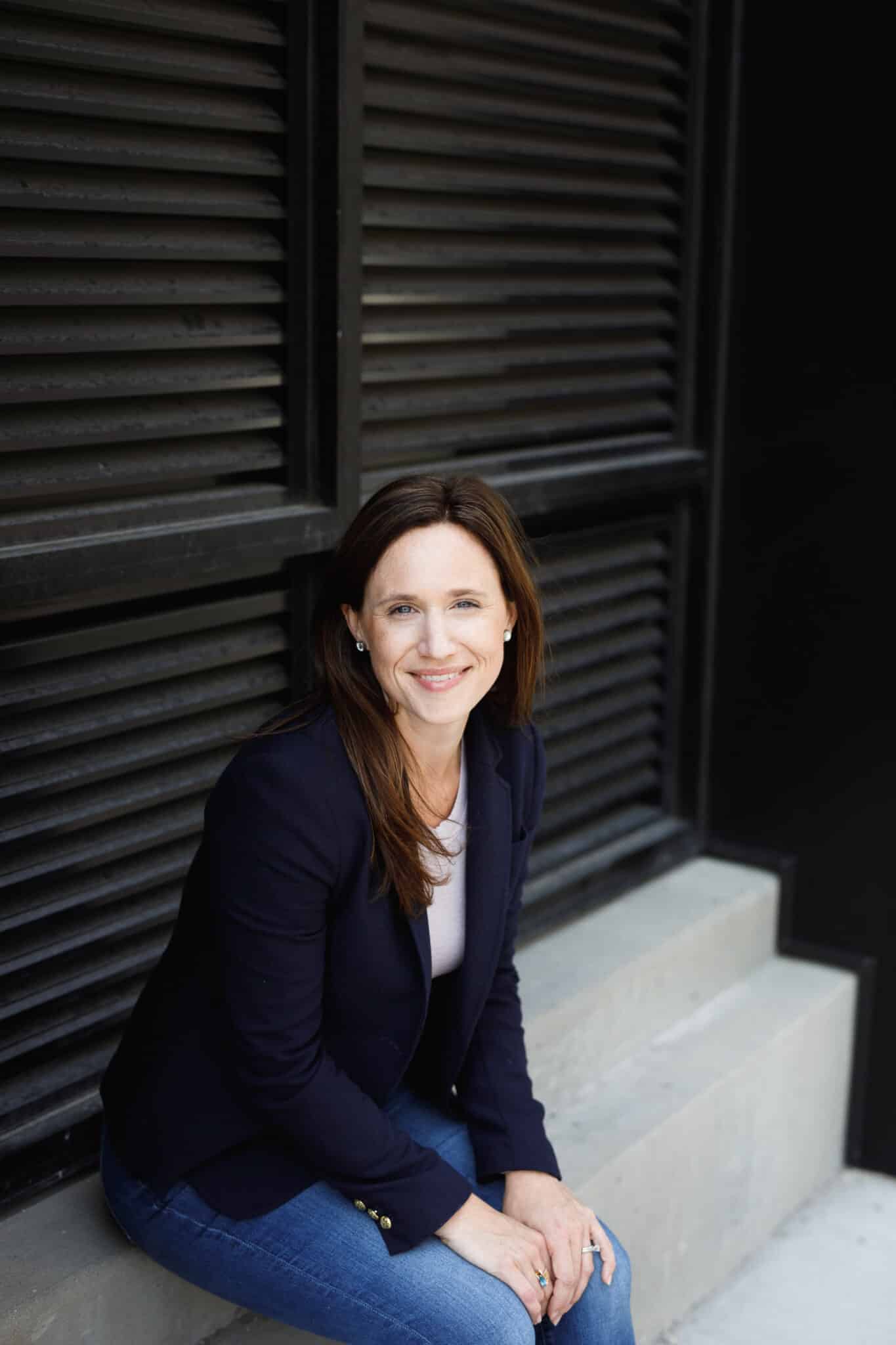
Calie Herbst, Editor-in-Chief of Milwaukee With Kids, has spent over a decade combining her experiences as a parent of three to create a hub for Milwaukee’s family adventures.
Her decade-long teaching career in Milwaukee Public Schools and academic background, including a Master’s in Teaching from Marquette University and dual B.A.s in Sociology and Spanish from the University of Wisconsin – Madison, fuel her passion for inclusive and engaging family content.
Calie is also a recognized voice in local media, contributing to WISN Channel 12 News, WTMJ Wisconsin Morning News, Fox 6’s Real Milwaukee, and B93.3.
Discover more about Calie’s journey and editorial approach on her About Page and Editorial Policy Page.