
July 14 is Shark Awareness Day, making it a great time to learn a few surprising facts about these incredible fish.
Some sharks are smaller than a human hand. They have no bones at all. And a few species can live for hundreds of years.
Read on for fun, kid-friendly shark facts that are perfect for curious readers and school projects alike.
💡Looking for more animal facts? Explore our complete guide to Fun Animal Facts for Kids by Type, with kid-friendly facts about sharks, tigers, monkeys, penguins, and more.
Quick Shark Facts (Start Here)
Short on time? These are some of the most surprising shark facts to get you hooked:
- Sharks have been around for over 450 million years — they’re older than trees and dinosaurs
- Some sharks, like the Greenland shark, can live over 400 years
- Sharks have no bones at all — their skeletons are made of cartilage
- Great white sharks are warm-blooded, unlike most fish
- Baby sharks are born with a full set of teeth
- Sharks can lose thousands of teeth in their lifetime — and grow new ones in less than a day
- Sharks can sense electricity, allowing them to find prey hidden under sand
- Some sharks are smaller than a human hand
- Each whale shark has a spot pattern as unique as a fingerprint
- Your chance of being struck by lightning is higher than being attacked by a shark
25 Cool Shark Facts
These cool shark facts highlight just how surprising, powerful, and fascinating sharks really are — and they’re perfect for school projects, presentations, or curious kids.
- There are over 500 different species of sharks living in oceans around the world.
- Sharks have been around for more than 450 million years, making them older than trees and dinosaurs.
- Some sharks, like the Greenland shark, can live over 400 years.
- The smallest shark, the dwarf lantern shark, is smaller than a human hand.
- The largest shark is the whale shark, which can grow up to 40 feet long.
- Whale sharks can weigh as much as 40 tons.
- Basking sharks are the second-largest fish in the ocean, reaching up to 32 feet long.
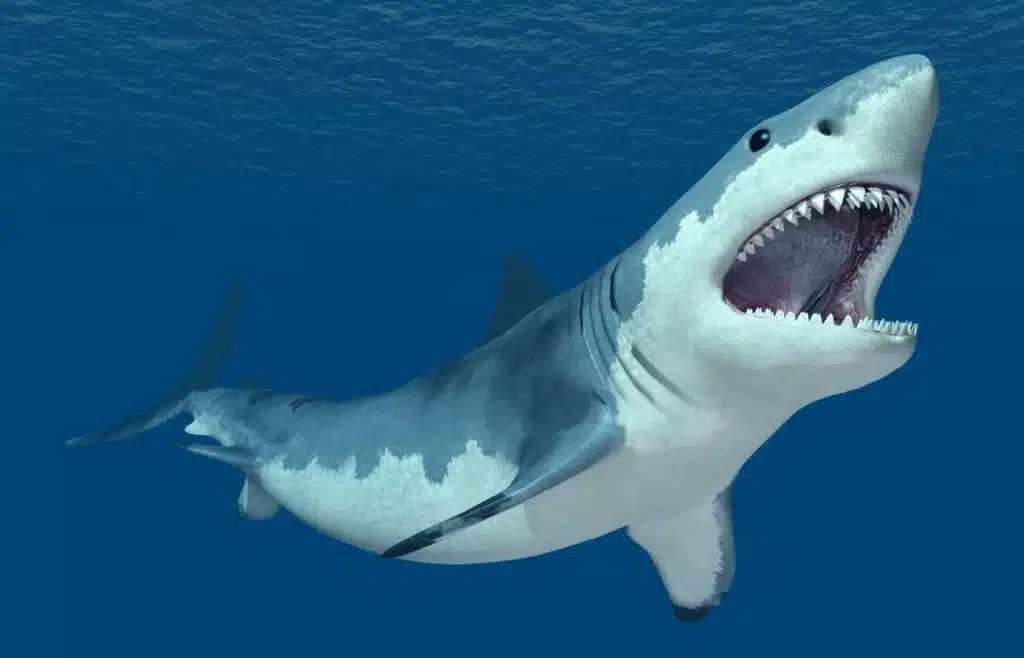
- Great white sharks can grow to be about 20 feet long.
- Sharks have no bones at all — their skeletons are made entirely of cartilage.
- Because cartilage is lighter than bone, it helps sharks stay buoyant in the water.
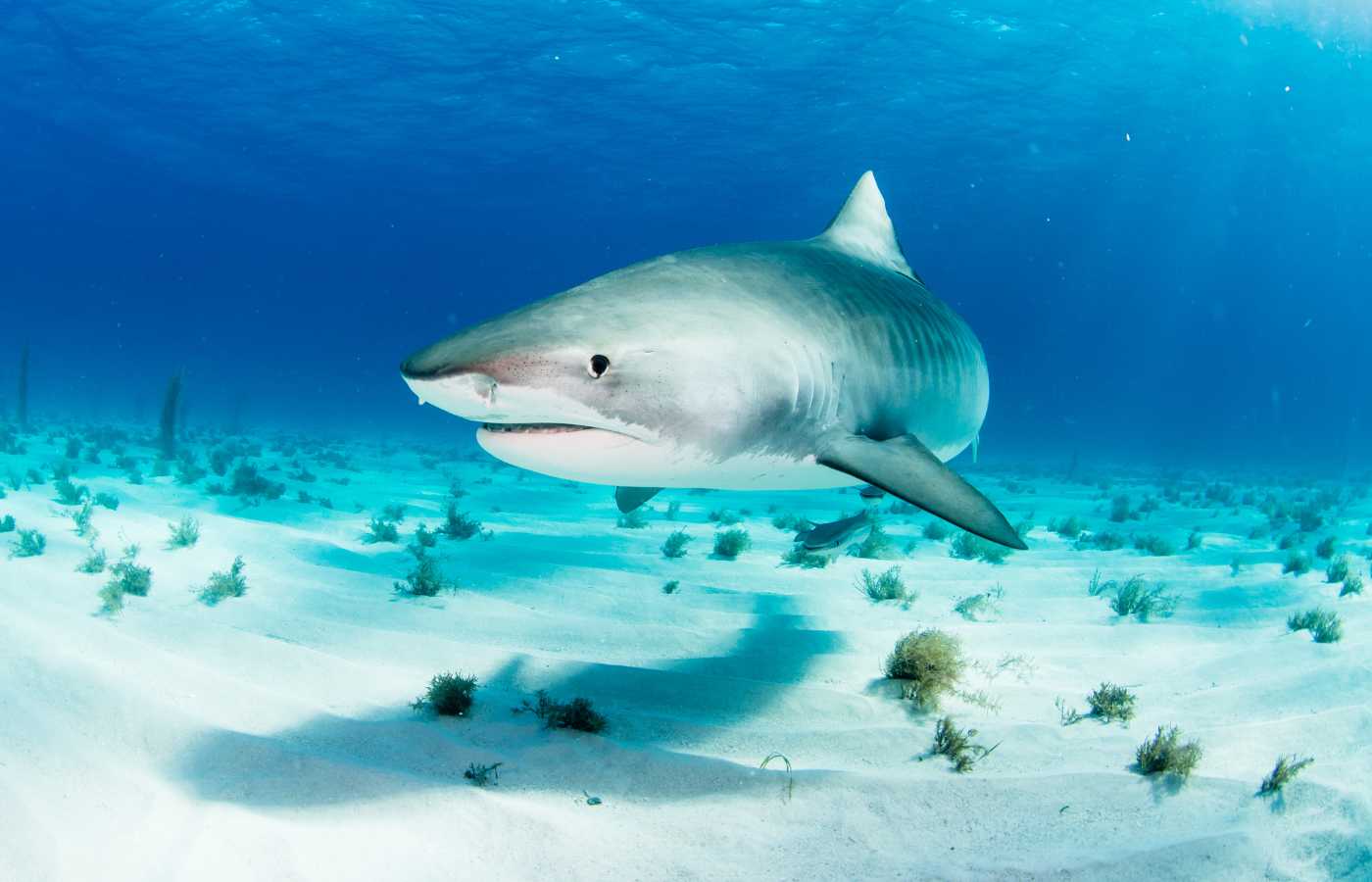
- Shark skin feels like sandpaper because it’s covered in tiny tooth-like scales called dermal denticles.
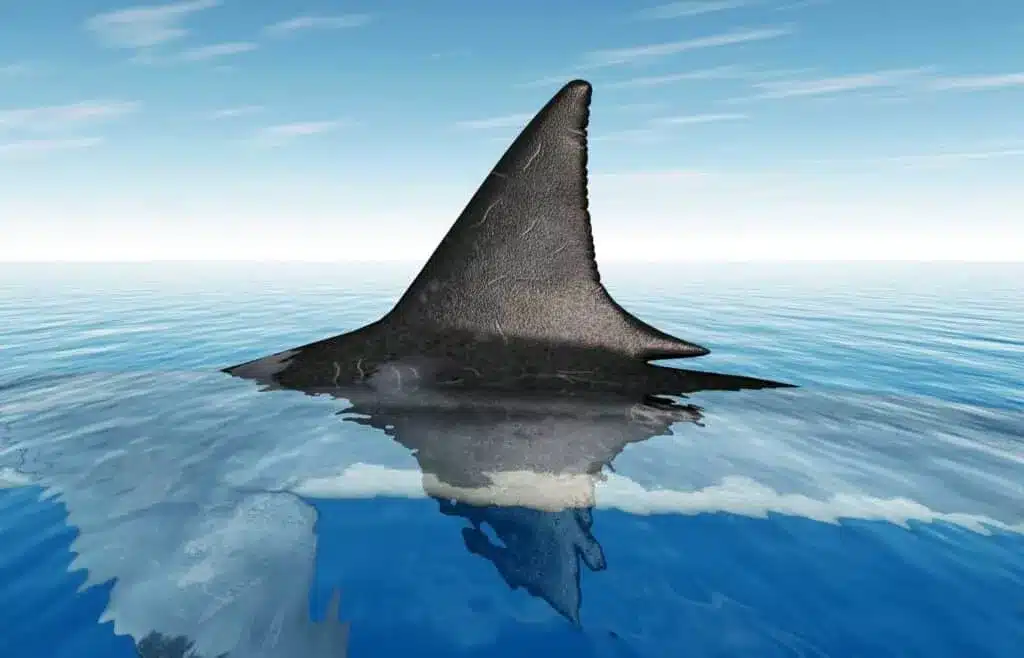
- Sharks have a signature dorsal fin that helps keep them stable while swimming.
- Baby sharks, called pups, are born with a full set of teeth.
- Sharks can lose thousands of teeth in their lifetime.
- A shark can grow a new tooth in less than one day if it loses one.
- Great white sharks may grow over 30,000 teeth during their lifetime.
- Sharks have multiple rows of teeth that move forward like a conveyor belt.
- Sharks can sense electricity, allowing them to find prey hidden under sand or mud.
- Some sharks are warm-blooded, including great white sharks.
- Sharks can live in every ocean, from tropical reefs to icy Arctic waters.
- The fastest shark, the shortfin mako, can swim up to 46 miles per hour.
- Sharks don’t chew their food — they tear off chunks and swallow them whole.
- Most sharks live 20–30 years, but some species live much longer.
- Each whale shark has a spot pattern as unique as a fingerprint.
- Your chances of being struck by lightning are higher than being attacked by a shark.
Random Shark Facts You Won’t Believe
These random shark facts are some of the most surprising — even for people who think they know a lot about sharks.
- You’re more likely to be struck by lightning than attacked by a shark
- Sharks are older than trees and have survived five mass extinctions
- Some sharks can live over 400 years, making them some of the longest-living vertebrates on Earth
- Great white sharks are warm-blooded, which helps them swim faster in cold water
- Sharks have built-in “toothpaste” — their teeth contain fluoride and don’t get cavities
- Sharks can sense electricity, allowing them to detect prey hiding under sand
- A shark can smell a single drop of blood from up to one-third of a mile away
- Some sharks are born already knowing how to hunt, with no parental care
- Shark embryos can sense danger inside their eggs and stop moving to avoid predators
- Tiger shark embryos eat each other before they’re even born
- Some sharks can reproduce through virgin births, without mating
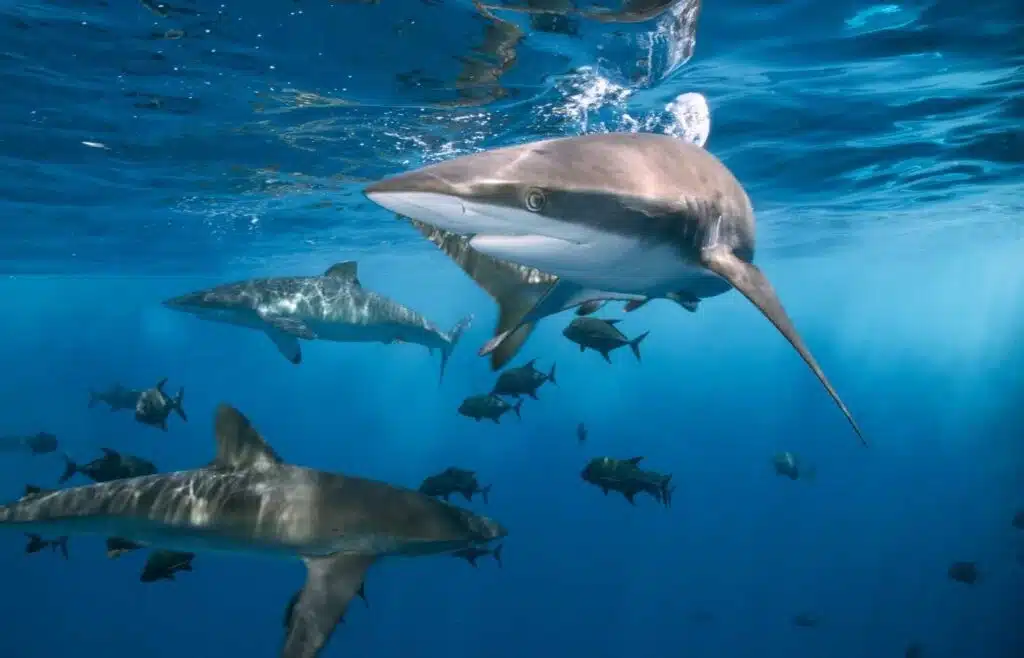
- Hammerhead sharks have a 360-degree field of vision
- Each whale shark has a spot pattern as unique as a fingerprint
- When flipped upside down, sharks enter a trance-like state called tonic immobility
- Some sharks must keep swimming to breathe or they will suffocate
- Sharks have been found living in icy Arctic waters and warm tropical seas
- Sharks lose thousands of teeth in a lifetime — and replace them in less than a day
- The fastest shark can swim up to 46 miles per hour
- Sharks don’t chew — they tear off chunks of food and swallow them whole
- Despite their reputation, shark attacks are extremely rare
- Sharks are fish, not mammals, even though some give birth to live young
- Most shark fossils are teeth, because their cartilage skeletons don’t fossilize well
- Some sharks can breathe while resting using a spiracle, while others must keep swimming to breathe
Shark Size & Speed Facts
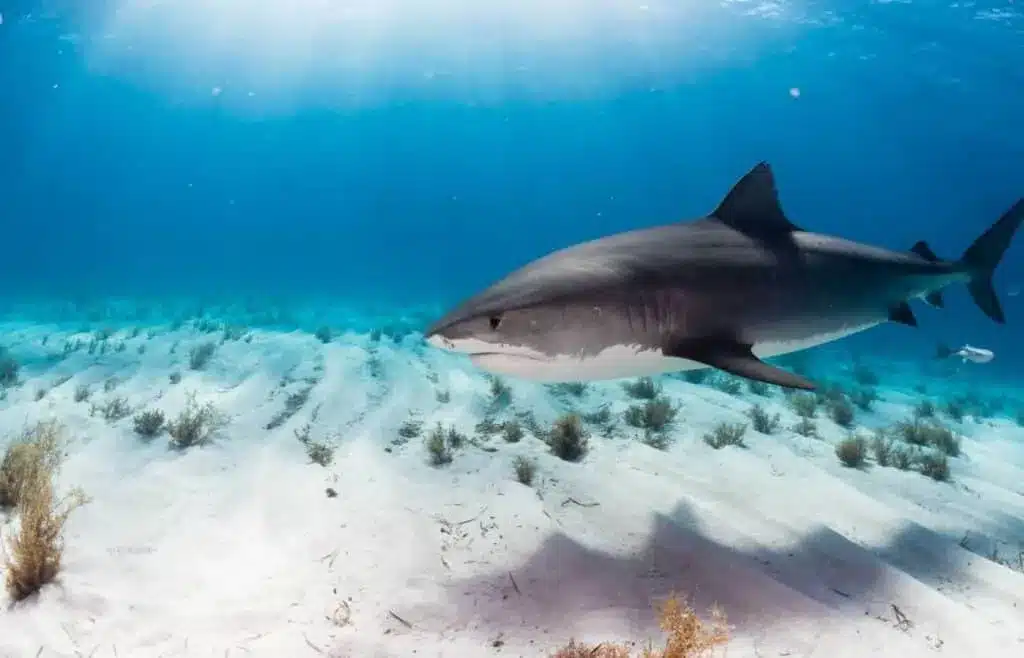
Sharks come in all sizes — from tiny, glowing sharks to massive giants — and some are among the fastest predators in the ocean.
- The smallest shark is the dwarf lantern shark, which is smaller than a human hand
- The largest shark in the ocean is the whale shark
- Whale sharks can grow up to 40 feet long
- Whale sharks can weigh as much as 40 tons
- Basking sharks are the second-largest fish in the world, growing up to 32 feet long
- A great white shark can grow to be about 20 feet long
- The fastest shark is the shortfin mako shark, which can swim up to 46 miles per hour
- Great white sharks can swim at speeds of up to 30 km per hour
- The slowest shark is the Greenland shark, which moves at less than 1 mile per hour
Shark Teeth & Bodies
Sharks have some of the most unique bodies in the animal kingdom — especially when it comes to their teeth and skeletons.
- Sharks have no bones — their skeletons are made entirely of cartilage
- Cartilage is lighter than bone, which helps sharks stay buoyant
- Shark skin feels like sandpaper because it’s covered in tiny tooth-like scales called dermal denticles
- Sharks have multiple rows of teeth that act like a conveyor belt
- Sharks lose teeth easily because their teeth don’t have roots
- A shark can grow a replacement tooth in less than one day
- Sharks can lose thousands of teeth over their lifetime
- A great white shark may grow over 30,000 teeth in its lifetime
- Some shark species have fluoride in their teeth, which helps prevent cavities
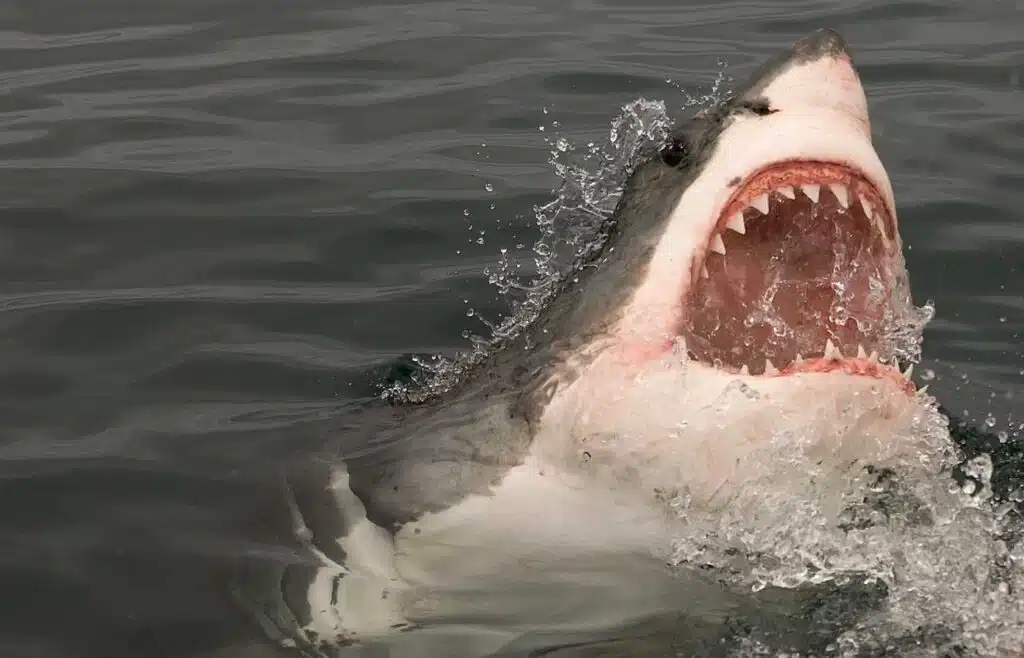
How Sharks Hunt & What They Eat
Sharks are powerful hunters, but their feeding habits may surprise you.
- Sharks are apex predators, meaning they sit at the top of the food chain
- Sharks don’t chew their food — they tear off chunks and swallow them whole
- Young sharks eat fish, rays, and even other sharks
- Adult sharks often eat sea lions, seals, sea turtles, and fish
- Sharks help keep ocean ecosystems balanced by controlling prey populations
- A shark’s jaws are not attached to its skull, allowing them to thrust forward when biting
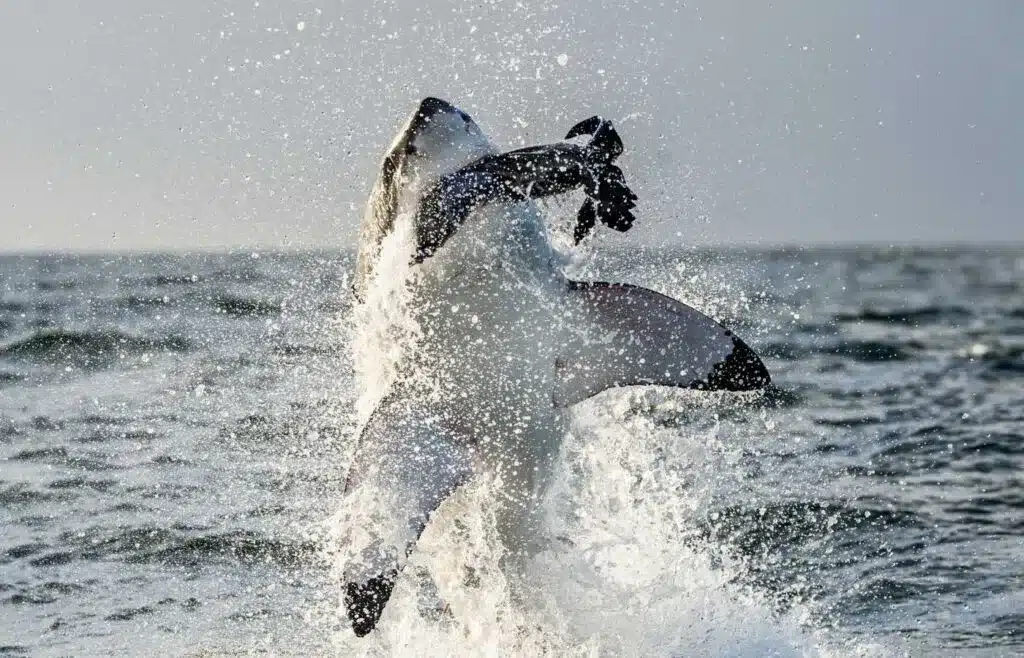
- Some sharks hunt by swimming upward at high speed and bursting out of the water
- Cookiecutter sharks take circular bites out of larger animals instead of killing them
- Hammerhead sharks have been known to pin stingrays to the sea floor while hunting
- Great white sharks can go months without eating after a large meal
Baby Sharks & How Sharks Reproduce
Baby sharks have one of the toughest starts in the animal kingdom.
- Baby sharks are called pups
- Some sharks lay eggs, while others give birth to live young
- There is no parental care after birth — pups are on their own immediately
- Baby sharks are born with a full set of teeth
- Many baby sharks do not survive their first year
- A blue shark can give birth to more than 100 pups at once
- Great white sharks usually give birth to 2–10 pups
- Some sharks return to where they were born to give birth, a behavior called natal philopatry
- Shark embryos inside eggs can sense danger and stop moving to avoid predators
- Some sharks, like zebra sharks, have been known to reproduce through virgin births
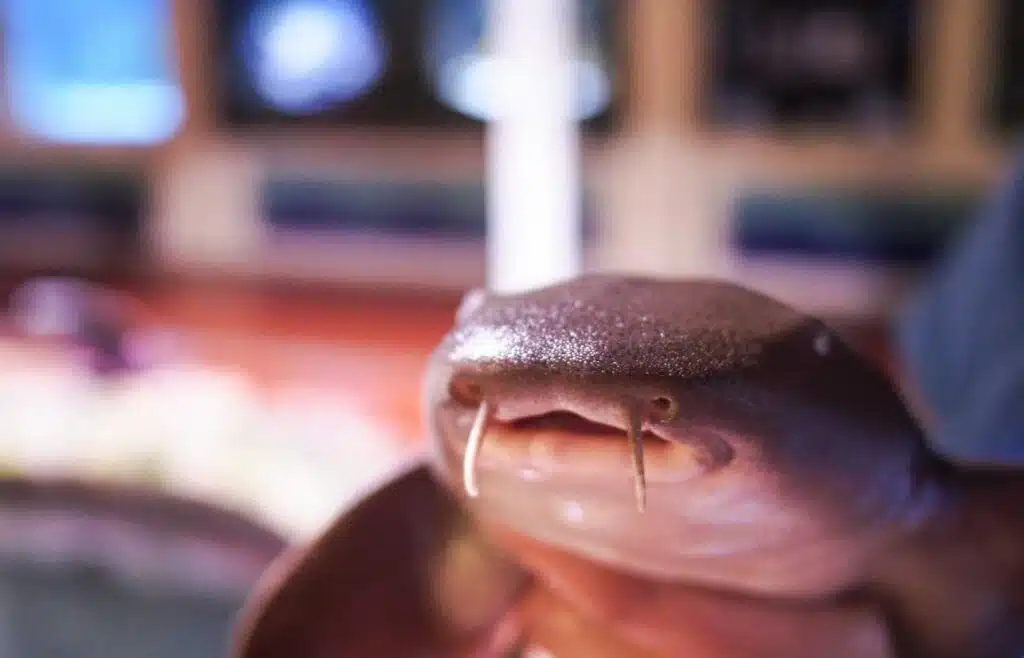
How Long Do Sharks Live?
Shark lifespans vary widely depending on the species.
- Most shark species live 20–30 years
- Some species, including the whale shark and spiny dogfish, may live over 100 years
- Greenland sharks are believed to live over 400 years
- Scientists estimate shark age by counting growth layers in their cartilage, similar to tree rings
- Sharks reach sexual maturity later than many animals, which makes populations slower to recover
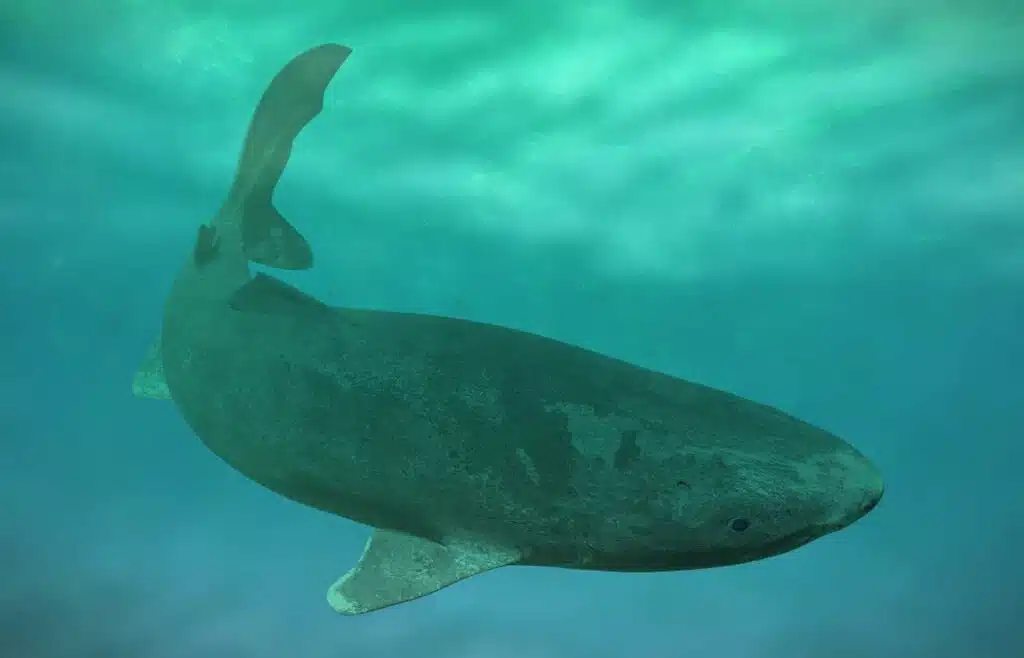
What Do Sharks Look Like?
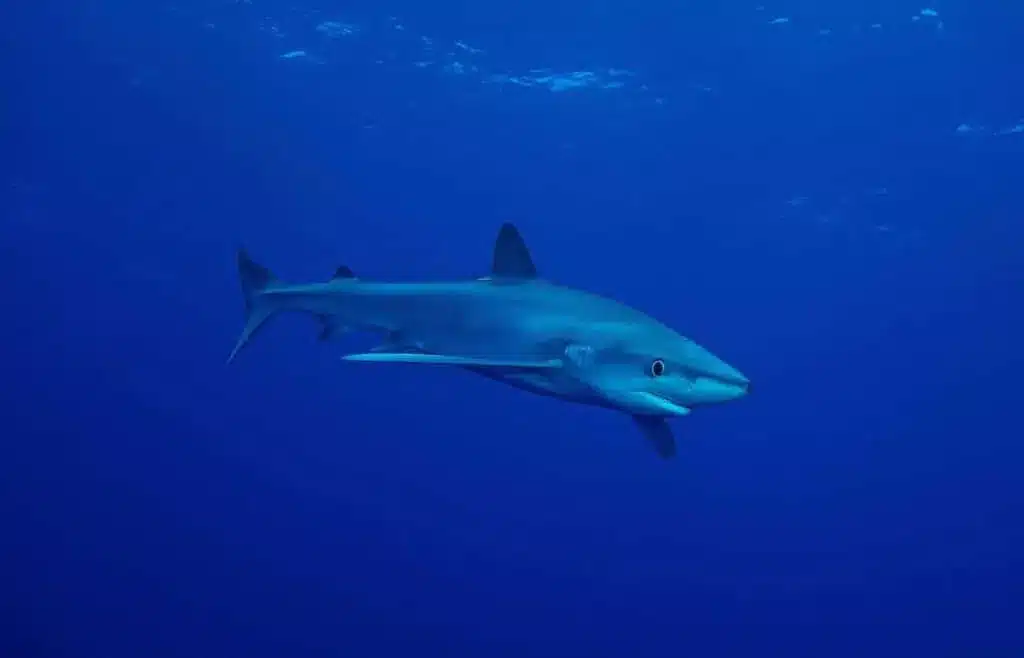
Sharks come in more colors and shapes than most people realize — and some look downright strange.
- Most sharks are gray, white, or black, which helps them blend into their surroundings
- Blue sharks are actually blue in color
- Goblin sharks can appear bright pink, due to visible blood vessels beneath their skin
- Zebra sharks get their name from their bold black-and-white pattern that resembles a zebra
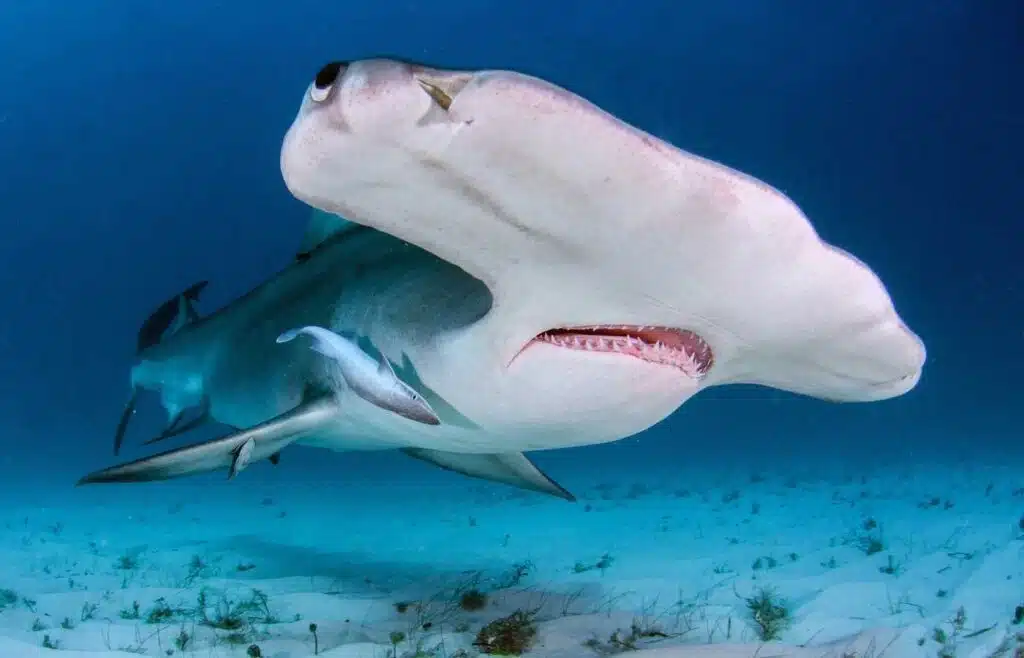
- Hammerhead sharks are named for their uniquely shaped heads, which look like hammers
Shark Senses & Superpowers
Sharks have some of the most powerful senses in the animal kingdom — and a few abilities that seem almost like superpowers.
- Sharks have inner ears only, but their hearing is extremely sharp
- They can hear a fish thrashing in the water from up to 500 meters away
- Most sharks have eyes on the sides of their heads, which gives them a wide field of view but less depth perception
- Sharks’ eyes are adapted to see very well in dark water and at night
- Sharks can see colors, not just black and white
- Sharks have an incredible sense of smell — they can detect a single drop of blood from up to one-third of a mile away
- Sharks have a true sixth sense called electroreception, which allows them to sense electricity produced by living animals
- They use special electroreceptor organs near their nose, eyes, and mouth to find prey hidden under sand or mud
- Hammerhead sharks have a nearly 360-degree field of vision
- A hammerhead’s only blind spots are directly above and directly below its head
Sharks and Humans (Are Sharks Dangerous?)
Sharks often get a scary reputation, but the reality is very different from what movies suggest.
- Sharks are frequently listed as one of people’s biggest fears
- Shark attacks are rare, with only about 5–10 attacks on humans per year
- Your chance of dying in a shark attack is about 1 in 3,748,067
- You’re more likely to be struck by lightning than attacked by a shark
- The famous movie Jaws was inspired by bull shark attacks along the Jersey Shore, which helped shape public fear of sharks
Are Sharks Endangered?
Despite their reputation, humans pose a far greater threat to sharks than sharks pose to humans.
- Shark populations around the world are in rapid decline, largely due to human activity
- The biggest threat to most shark species is overfishing, especially for shark fins
- Shark fins are considered a delicacy in parts of Asia, driving large-scale hunting
- Of the roughly 500 shark species, about 143 are listed as vulnerable to critically endangered by the IUCN
- Climate change is also harming sharks by damaging coral reefs and ocean ecosystems
- About 50% of the world’s coral reefs have already been lost, and many more could disappear by 2050
- Protecting shark habitats includes reducing plastic use and recycling
💡To help shark conservation efforts, head to the World Wildlife Fund.
Frequently Asked Questions About Sharks
No. Sharks have no bones at all. Their skeletons are made entirely of cartilage, the same flexible material found in human ears and noses.
Because cartilage doesn’t fossilize like bone, sharks don’t leave behind full skeleton fossils. However, fossilized shark teeth are very common and are often found by scientists.
Some sharks lay eggs, while others give birth to live young. After birth, there is no parental care — baby sharks are on their own from the start.
No. Sharks are not mammals. Even though some sharks give birth to live young, they are fish, not marine mammals.
Yes. Sharks are fish. They breathe using gills, live in water, and have cartilage skeletons instead of bones.
Yes. Sharks have been around for over 450 million years, making them older than trees and even older than dinosaurs.
Most sharks live 20–30 years, but some species live much longer.
The Greenland shark is believed to live hundreds of years and is also one of the slowest-moving fish in the ocean.
Many sharks are at risk. Of the roughly 500 shark species, about 143 are listed as vulnerable to critically endangered.
The biggest threat to sharks is overfishing, especially for shark fins. Climate change and habitat loss are also affecting shark populations.
Young sharks eat fish, rays, and even other sharks.
Adult sharks may eat fish, sea turtles, sea lions, and seals, depending on the species.
Yes. Sharks have an excellent sense of smell and can detect very small amounts of blood in the water from up to a third of a mile.
Sharks live in oceans all around the world. They can be found in deep and shallow water, from warm tropical reefs to icy Arctic seas.
More Ocean Animal Facts for Kids
Curious about other ocean animals? You might also enjoy learning about whales, dolphins, or sea turtles, all written with kids in mind.

Calie Herbst, Editor-in-Chief of Milwaukee With Kids, has spent over a decade combining her experiences as a parent of three to create a hub for Milwaukee’s family adventures.
Her decade-long teaching career in Milwaukee Public Schools and academic background, including a Master’s in Teaching from Marquette University and dual B.A.s in Sociology and Spanish from the University of Wisconsin – Madison, fuel her passion for inclusive and engaging family content.
Calie is also a recognized voice in local media, contributing to WISN Channel 12 News, WTMJ Wisconsin Morning News, Fox 6’s Real Milwaukee, and B93.3.
Discover more about Calie’s journey and editorial approach on her About Page and Editorial Policy Page.