


Save This For Later
(Updated & Expanded for Families)
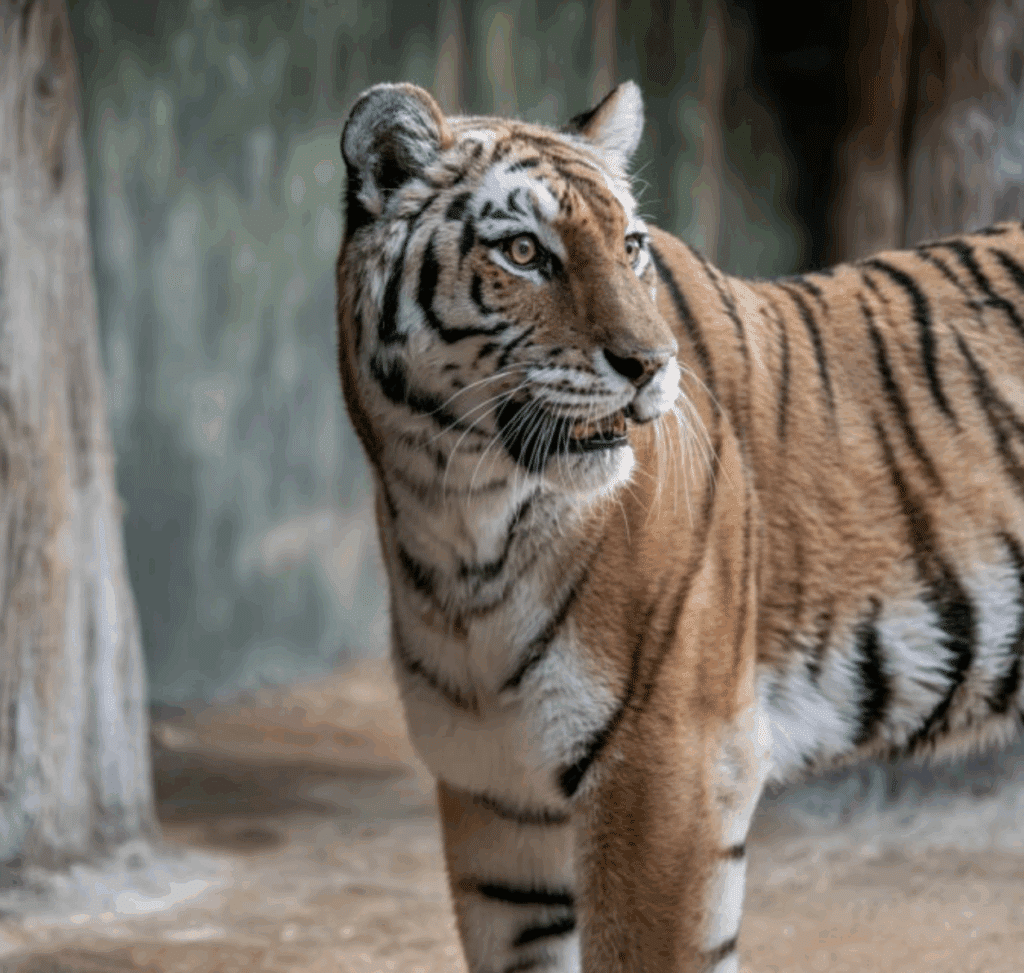
If your kids love big cats, the Milwaukee County Zoo’s tigers are one of the most exciting stops on your visit. The Zoo is home to three Amur tigers—Natasha, Kash, and Tula—who rotate through the indoor and outdoor habitats at Florence Mila Borchert Big Cat Country.
Whether you’re planning a weekend trip, a summer visit, or simply raising an animal-obsessed kid, here’s everything you need to know before you go.
👉 Planning a full zoo day? Don’t miss our Quick Guide to the Milwaukee County Zoo for tips, maps, and must-see exhibits.
Quick Answers Parents Are Searching For
Where are the tigers located?
At Big Cat Country — turn left at the entrance, go past the Family Farm.
How many tigers are at the Milwaukee County Zoo?
Three Amur tigers: Natasha, Kash, and Tula.
Are they endangered?
Yes — fewer than 500 remain in the wild.
When are tigers most active?
Mornings and cooler weather days.
Can kids see them up close?
Yes — both viewing areas offer excellent, close-range lookouts.
Meet Milwaukee’s Amur Tigers
Natasha (Arrived 2024)
Natasha, an 11-year-old female, arrived from the Columbus Zoo in late 2024 as part of the AZA Species Survival Plan®. She immediately became a guest favorite thanks to her curious nature, expressive face, and distinctive black speckles on her nose.
Shortly after arriving, Natasha began treatment for blastomycosis, a serious fungal infection. Thanks to the Zoo’s veterinary team, she continues to make steady progress and participates in enrichment activities daily. She enjoys boxes, beef treats, and—surprisingly—Jaguar cologne.
How to identify her:
Look for pale orange coloring, delicate striping, and the signature speckled nose.
Kash
Kash is one of the Zoo’s longstanding residents and often rotates first thing in the morning. He’s known for:
- A strong, confident presence
- Excellent engagement with enrichment
- Spending time patrolling his habitat
Kids love watching him lounge on the elevated platforms or stalk enrichment toys with laser-focus.
Tula
Tula is the most playful of the trio and often sparks the biggest “wow!” moments for visiting families. She’s energetic, curious, and has expressive eyebrow markings that make her easy to spot.
You’ll often catch Tula:
- Lunging into the water
- Interacting with puzzle feeders
- Tracking birds and sounds around the habitat
Where to See the Tigers
Florence Mila Borchert Big Cat Country
Turn left at the front entrance, then walk past the Family Farm area.
The habitat includes both indoor and outdoor viewing, and the tigers rotate through different spaces—so return later in the day if you don’t see one at first.
Amur Tiger Facts for Kids
Amur tigers are extraordinary animals, and sharing a few fun facts can make the visit even more meaningful.
Quick Facts
- Native to: Far-eastern Russia, Northeastern China, Northern North Korea
- Diet: Deer, elk, wild boar
- Weight: Males 450–675 lbs; Females 250–400 lbs
- Lifespan: 10–15 years
- Status: Endangered
- Special Features:
- Palest coat and fewest stripes of all tiger subspecies
- No two tigers share the same stripe pattern
- Tigers readily enter water and are excellent swimmers
Want more big-cat fun? Explore Tiger Facts for Kids and White Tiger Facts.
Tips for Seeing Tigers with Kids
- Arrive early: Morning is the best chance to see them active.
- Bring binoculars: Especially fun for younger kids.
- Look for enrichment: Boxes, scents, giant toys, and puzzle feeders.
- Revisit later in your visit: Rotations change throughout the day.
- Pair the stop with other favorites: Polar bear, otters, and jaguar are nearby.
Why This Exhibit Matters: Conservation in Action
Amur tigers are one of the most endangered big cats in the world, with fewer than 500 remaining due to habitat loss and poaching. The Zoo’s participation in the Species Survival Plan supports long-term conservation and education, helping kids learn why protecting wild animals matters.
Related Reads
- Quick Guide to the Milwaukee County Zoo
- Penguins of the Pacific
- Tiger Facts for Kids
- White Tiger Facts for Kids

Calie Herbst, Editor-in-Chief of Milwaukee With Kids, has spent over a decade combining her experiences as a parent of three to create a hub for Milwaukee’s family adventures.
Her decade-long teaching career in Milwaukee Public Schools and academic background, including a Master’s in Teaching from Marquette University and dual B.A.s in Sociology and Spanish from the University of Wisconsin – Madison, fuel her passion for inclusive and engaging family content.
Calie is also a recognized voice in local media, contributing to WISN Channel 12 News, WTMJ Wisconsin Morning News, Fox 6’s Real Milwaukee, and B93.3.
Discover more about Calie’s journey and editorial approach on her About Page and Editorial Policy Page.