

This post was updated in 2026 to include the most accurate meanings, kanji, and cultural context for each name.
Save This For Later
Are you looking for Japanese names that mean star – names that shine with beauty, meaning, and tradition?
In Japanese culture, stars (星, hoshi) are more than just celestial bodies. They symbolize guidance, protection, and even divine presence in folklore and mythology. Choosing a star-inspired name connects your baby to this rich cultural heritage while giving them a name that feels timeless and luminous.
Below, you’ll find a curated list of Japanese baby names for boys and girls that mean star or carry celestial meanings like “starlight,” “galaxy,” and “twinkle.” From short and sweet names like Hoshi to poetic options like Noborihoshi (“rising star”), these names sparkle with significance.
💡 Looking for even more inspiration? Don’t miss our Ultimate Guide to Baby Names, where we cover hundreds of unique and meaningful options.
Japanese Girl Names That Mean Star
Looking for a name that captures grace, beauty, and celestial wonder? These Japanese girl names inspired by the stars reflect qualities like brightness, hope, and elegance — perfect for a daughter who shines in her own unique way.
While many of these names directly include 星 (star), some also draw on related celestial imagery like the moon, sky, and light.
星子 (Hoshiko) – “Star Child”
Pronounced ho-shee-ko, this timeless name means “star child.” It reflects hopes and dreams for your daughter to shine brightly, just like the stars in the sky.
小星 (Koboshi) – “Little Star”
Pronounced koh-boh-shee, Koboshi combines “small” and “star,” symbolizing a petite but radiant star. A sweet choice that highlights unique charm and beauty.
宵星 (Yoihoshi) – “Evening Star”
Pronounced yoh-ee-hoh-shee, this poetic name means “evening star.” It represents the peaceful glow that lights up the twilight sky.
星 (Hoshi) – “Star”
Pronounced hoh-shee, this simple and classic name directly translates to “star.” It’s a beautiful choice for parents who love straightforward elegance.
梢 (Kozue) – “Tree Branches Against the Sky”
Pronounced koh-zoo-eh, Kozue carries a poetic image of tree branches silhouetted against the sky, linking earth and the stars above.
夏希 (Natsuki) – “Summer Star”
Pronounced naht-soo-kee, Natsuki combines “summer” and “star.” It reflects the warmth, brilliance, and joy of starry summer nights.
天空 (Amaku) – “Sky”
Pronounced ah-mah-koo, this name means “sky.” It evokes the vastness of the heavens, the place where stars shine most brightly.
彩星 (Ayahoshi) – “Colorful Star”
Pronounced ah-yah-hoh-shee, Ayahoshi combines “color” and “star,” symbolizing a vibrant, multi-faceted star bursting with life.
星影 (Hoshikage) – “Star Shadow”
Pronounced ho-shee-kah-geh, this poetic name means “star shadow.” It evokes the mysterious, subtle glow of starlight.
星宿 (Seishuku) – “Star Dwelling”
Pronounced say-shoo-koo, Seishuku refers to a “star mansion” or celestial dwelling, connecting the name to divine or cosmic realms.
絢星 (Ayahoshi) – “Vivid Star”
Pronounced ah-yah-hoh-shee, this variation of Ayahoshi emphasizes brilliance and radiance, representing a dazzling star in the night sky.
星羅 (Seira) – “Stars Scattered in the Sky”
Pronounced say-rah, Seira paints a picture of countless stars spread across the heavens — a name full of wonder and beauty.
華星 (Hanaboshi) – “Flower Star”
Pronounced hah-nah-boh-shee, this elegant name blends “flower” and “star,” symbolizing grace, delicacy, and celestial beauty.
空夜 (Soraya) – “Sky Night”
Pronounced soh-rah-yah, Soraya means “sky night.” It reflects the enchanting calm of a starry evening.
星海 (Hoshikai) – “Star Ocean”
Pronounced ho-shee-kah-ee, this imaginative name combines “star” and “ocean,” symbolizing a vast sea of shining stars.
綺羅 (Kira) – “Sparkling, Gorgeous”
Pronounced kee-rah, Kira conveys sparkling brilliance, much like a star’s dazzling glow.
星雪 (Hosetsu) – “Star Snow”
Pronounced ho-seh-tsoo, this delicate name combines “star” and “snow,” evoking purity and quiet celestial beauty.
星月 (Hoshizuki) – “Star and Moon”
Pronounced ho-shee-zoo-kee, Hoshizuki beautifully pairs the star and moon, creating an image of celestial harmony.
星翼 (Hoshiyoku) – “Star Wing”
Pronounced ho-shee-yoh-koo, Hoshiyoku means “star wing.” It symbolizes grace, freedom, and the ability to soar.
星宮 (Hoshimiya) – “Star Shrine”
Pronounced ho-shee-mee-yah, Hoshimiya evokes a sacred place for stars — a name filled with divine and celestial connections.
星夢 (Hoshimu) – “Star Dream”
Pronounced ho-shee-moo, Hoshimu combines “star” and “dream,” representing hope, imagination, and inspiration.
望星 (Nozomi) – “Hope Star”
Pronounced noh-zoh-mee, Nozomi means “hope star.” It reflects optimism, aspirations, and the pursuit of dreams.
星轍 (Hoshiwadachi) – “Star Path”
Pronounced ho-shee-wah-dah-chee, Hoshiwadachi means “star track” or “star path,” symbolizing a cosmic journey or destiny.
眩星 (Memehoshi) – “Dazzling Star”
Pronounced meh-meh-hoh-shee, Memehoshi translates to “dazzling star,” embodying brilliance and luminous charm.
Recommended Japanese Baby Name Book
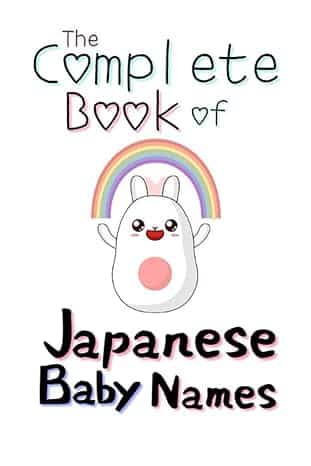
The Complete Book of Japanese Baby Names: Over 2000 Baby Names from Japan (Shinji Ota)
This is a comprehensive guide to Japanese names, offering a wide range of options along with their meanings and cultural context to help you appreciate the rich history and cultural significance behind Japanese names.
If floral imagery appeals to you, check out our Japanese Names That Mean Flower list, which pairs beautifully with star-inspired names.
Japanese Boy Names That Mean Star
Strong, bold, and full of brilliance, these Japanese boy names carry star-inspired meanings. From rising stars to celestial constellations, each name reflects ambition, light, and the promise of a bright future.
明星 (Myoujou) – “Bright Star”
Pronounced myoh-joh, this strong name means “bright star.” It symbolizes brilliance, radiance, and standing out with exceptional light.
昇星 (Noborihoshi) – “Rising Star”
Pronounced noh-boh-ree-hoh-shee, this name represents a “rising star.” It conveys ambition, success, and the promise of a bright future.
海斗 (Kaito) – “Ocean of Stars”
Pronounced kah-ee-toh, Kaito combines “ocean” and “star,” suggesting vastness, mystery, and infinite possibilities.
昴 (Subaru) – “Pleiades”
Pronounced soo-bah-roo, Subaru is the Japanese name for the Pleiades star cluster. It reflects unity, harmony, and celestial wonder.
煌星 (Kousei) – “Sparkling Star”
Pronounced koh-oo-seh, this name means “sparkling star.” It embodies brilliance, energy, and shining potential.
Recommended Japanese Baby Book for Families
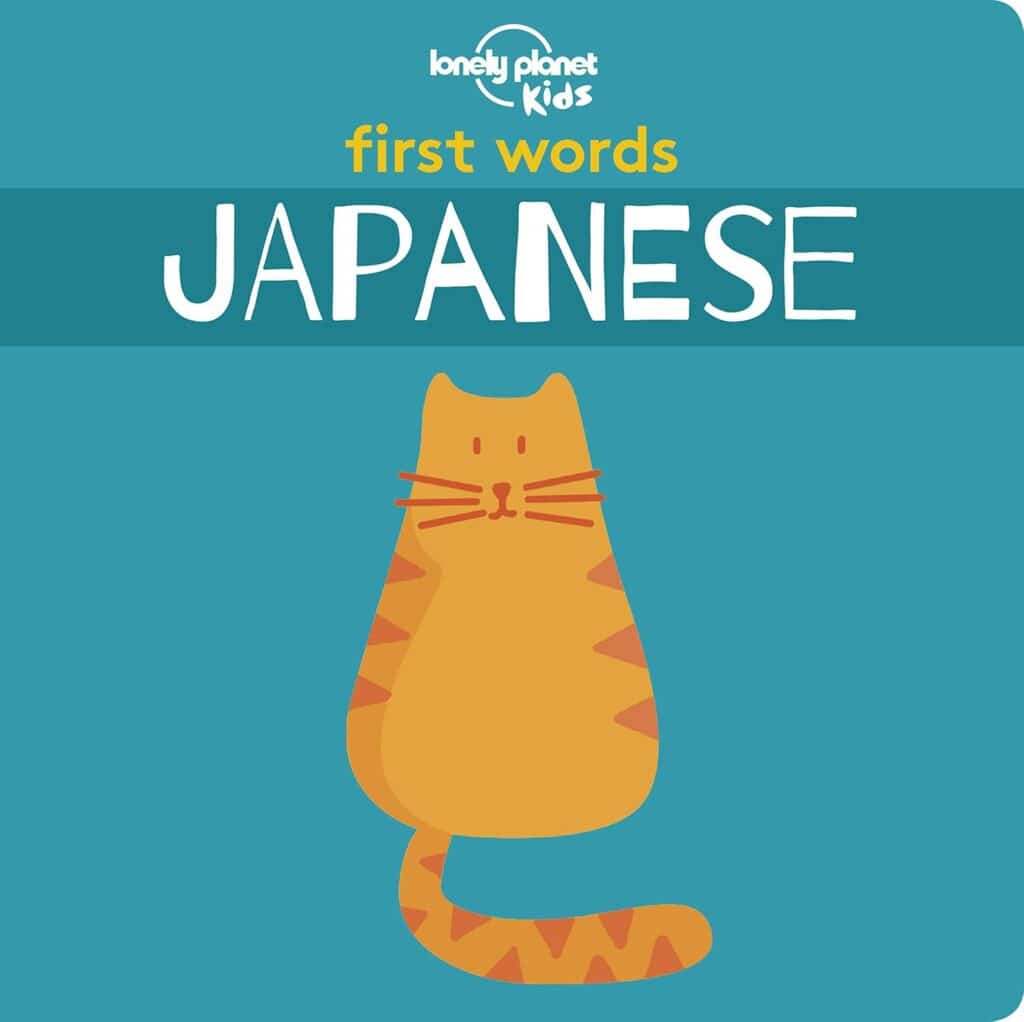
Lonely Planet Kids First Words – Japanese (Lonely Planet Kids)
colorful picture guide that teaches kids their first Japanese words. Each page shows words for things like food, animals, and numbers. It makes learning a new language fun and easy.
You can also explore our Japanese Names That Mean Dark for names with depth and mystery.
Gender-Neutral Japanese Names That Mean Star
If you’re drawn to names that transcend gender, these star-inspired Japanese names work beautifully for any child. They highlight qualities like radiance, harmony, and the vast wonder of the night sky.
星野 (Hoshino) – “Star Field”
Pronounced ho-shee-no, Hoshino combines “star” and “field,” evoking the image of a vast, glittering night sky.
瞬 (Matataki) – “Twinkle”
Pronounced mah-tah-tah-kee, Matataki means “twinkle” or “blink,” representing the fleeting, enchanting sparkle of starlight.
輝 (Kagayaki) – “Radiance, Brilliance”
Pronounced kah-gah-yah-kee, Kagayaki conveys the shining brilliance of stars, full of light and energy.
星川 (Hoshikawa) – “Star River”
Pronounced ho-shee-kah-wah, this poetic name combines “star” and “river,” symbolizing a flowing celestial river in the night sky.
星雲 (Seiun) – “Nebula”
Pronounced say-oon, Seiun means “nebula” or “stellar cloud.” It captures the cosmic beauty of star-forming clouds.
星光 (Hikari) – “Starlight”
Pronounced hee-kah-ree, this variation of Hikari means “starlight.” It conveys the soft, glowing light of stars in the night sky.
暖星 (Naboshi) – “Warm Star”
Pronounced nah-boh-shee, Naboshi combines “warmth” and “star,” symbolizing a comforting, nurturing presence.
星屑 (Hoshikuzu) – “Stardust”
Pronounced ho-shee-koo-zoo, Hoshikuzu means “stardust.” It embodies magic, mystery, and the cosmic particles that form stars.
星空 (Hoshizora) – “Starry Sky”
Pronounced ho-shee-zoh-rah, Hoshizora combines “star” and “sky,” evoking the breathtaking expanse of stars overhead.
神星 (Kami-hoshi) – “Divine Star”
Pronounced kah-mee-hoh-shee, Kami-hoshi combines “god” and “star,” symbolizing divine guidance and celestial power.
星降る (Hoshifuru) – “Falling Stars”
Pronounced ho-shee-foo-roo, Hoshifuru means “falling stars” or “star shower,” capturing the magic of meteors lighting up the sky.
瑠星 (Rusei) – “Lapis Lazuli Star”
Pronounced roo-seh, Rusei means “lapis lazuli star,” symbolizing a deep blue, jewel-like celestial radiance.
星宝 (Hoshitakara) – “Star Treasure”
Pronounced ho-shee-tah-kah-rah, Hoshitakara means “star treasure,” representing the precious and cherished qualities of stars.
愛星 (Aihoshi) – “Love Star”
Pronounced ah-ee-hoh-shee, Aihoshi combines “love” and “star,” symbolizing a heartfelt, affectionate connection to the stars.
Another Great Japanese Baby Book

Sumo Shapes: (Shape Books for Toddlers 1-3) (Little Sumo) (Sanae Ishida)
A board book for young children that uses sumo wrestlers to teach basic shapes.
Celestial-Themed Japanese Names (Not Literally “Star”)
While the names above directly include 星 (“star”) or refer to starlight, there are also many beautiful Japanese names inspired by the moon, sun, light, and the wider cosmos. These names carry the same celestial feeling, even if they don’t literally mean “star.”
明 (Akira) – “Bright, Clear”
Pronounced ah-kee-rah, Akira means “bright” or “clear.” While not star-specific, it symbolizes radiance and clarity often compared to starlight.
光 (Hikari / Hikaru) – “Light, Radiance”
Pronounced hee-kah-ree or hee-kah-roo, this name means “light.” It reflects brilliance and positivity, qualities often linked to stars, though it can also refer to sunlight or general radiance.
葵 (Aoi) – “Blue, Hollyhock”
Pronounced ah-oh-ee, Aoi most often means “hollyhock” or simply “blue.” It suggests the vast blue of the sky where stars appear, but isn’t directly tied to stars.
春樹 (Haruki) – “Spring Tree”
Pronounced hah-roo-kee, Haruki literally means “spring tree.” Though not a star name, it conveys renewal and vitality — qualities sometimes poetically connected to light.
美月 (Mizuki) – “Beautiful Moon”
Pronounced mee-zoo-kee, Mizuki translates to “beautiful moon.” Though moon-focused, it carries celestial grace and pairs beautifully with star symbolism.
亮夜 (Ryoya) – “Clear Night”
Pronounced ree-oh-yah, Ryoya combines “clear” and “night,” evoking the serene atmosphere of a starlit evening.
煌 (Kirameki) – “Sparkle, Glitter”
Pronounced kee-rah-meh-kee, Kirameki means “sparkle” or “glitter.” It captures luminous brilliance, though not always star-specific.
天羽 (Amaha) – “Heavenly Feather”
Pronounced ah-mah-hah, Amaha combines “heaven” and “feather.” While not literally star-related, it evokes celestial lightness and grace.
天使 (Tenshi) – “Angel”
Pronounced ten-shee, Tenshi translates to “angel.” It represents purity and celestial protection, making it heavenly but not a star name.
陽星 (Yohoshi) – “Sun Star”
Pronounced yoh-hoh-shee, this name combines “sun” and “star.” It symbolizes brightness and energy, though it leans more solar than stellar.
陽光 (Youko) – “Sunlight”
Pronounced yoh-koh, Youko means “sunlight.” It conveys warmth and radiance, tied more to the sun than the stars.
望月 (Mochizuki) – “Full / Hopeful Moon”
Pronounced moh-chee-zoo-kee, Mochizuki refers to the full moon or a hopeful moon. It’s a luminous lunar name often connected with inspiration.
月夜 (Tsukiyo) – “Moonlit Night”
Pronounced tsoo-kee-yoh, Tsukiyo means “moonlit night.” It reflects the calm and mystical beauty of evenings filled with moonlight (and often stars).
銀河 (Ginga) – “Galaxy”
Pronounced gin-gah, Ginga means “galaxy.” It represents the vast cosmic system that holds countless stars, focusing on the larger celestial whole.
宇宙 (Uchuu) – “Universe”
Pronounced oo-choo, Uchuu means “universe.” It evokes the boundless cosmos, encompassing stars, planets, and galaxies.
彩煌 (Saikou) – “Colorful Radiance”
Pronounced sah-ee-koh, Saikou combines “color” and “radiance.” It suggests vibrant, dazzling light, but isn’t tied to stars specifically.
Explore More Japanese Baby Books

Sashiko’s Stitches (Sanae Ishida)
A heartwarming story about a girl who uses sewing to fix problems. Each stitch she makes helps her and her friends. It shows kids how creativity and kindness can make the world better.

The Meaning of Stars in Japanese Culture
In Japan, stars (hoshi, 星) carry deep spiritual and cultural meaning:
- Guidance & Protection: Stars are often seen as celestial guides, believed to protect travelers and offer direction in life.
- Folklore & Mythology: In ancient tales, stars were thought to be the homes of gods or ancestral spirits. This connection gave them a divine and mystical role in Japanese culture.
- Wishes & Dreams: The tradition of making wishes on stars is common in Japan. During the Tanabata Festival, people write wishes on paper strips and hang them on bamboo trees, inspired by the story of two star-crossed lovers, Orihime and Hikoboshi.
- Symbol of Beauty: In literature and poetry, stars are metaphors for elegance, fleeting beauty, and hope. They often appear in haiku and tanka as symbols of light in darkness.
- Spiritual Connection: Stargazing (hoshi-meguri) is seen as a calming, almost meditative practice. Many believe stars radiate uplifting energy, helping people feel connected to the vast universe.
By choosing a Japanese name that means star, you’re tapping into these layers of symbolism — giving your child a name that carries not only beauty, but also the promise of guidance, hope, and light.
More Beautiful Japanese Names
If you didn’t find the perfect star-inspired name above, here are a few popular Japanese boy and girl names that parents in Japan love today. While they don’t literally mean “star,” they carry timeless beauty and cultural significance:
Popular Japanese Boy Names
- Haruto (はると) – Meaning “sunshine” or “great flying bird,” Haruto is one of the most popular modern boy names in Japan.
- Yuto (ゆうと) – This name means “gentle” or “excellence” and has been a top choice for years.
- Ren (れん) – Simple and elegant, Ren means “lotus” or “love.”
Popular Japanese Girl Names
- Sakura (さくら) – Meaning “cherry blossom,” Sakura symbolizes grace, beauty, and the fleeting nature of life.
- Mei (めい) – Mei means “bright” or “beautiful,” a short and stylish name that has gained popularity in recent years.
- Yui (ゆい) – Meaning “tie” or “connect,” Yui reflects unity and togetherness.
For even more inspiration, explore our other guides:
- Japanese Names That Mean Light
- Japanese Names That Mean Dark
- Japanese Names That Mean “Flower”
- Space Inspired Baby Names
Frequently Asked Questions About Japanese Names That Mean Star
The most direct option is 星 (Hoshi), which means “star.” Other names include 星子 (Hoshiko, “star child”) and 星夢 (Hoshimu, “star dream”). Many Japanese names combine 星 with other kanji to create poetic meanings like “starry ocean” or “falling stars.”
Names like 星野 (Hoshino, “star field”), 星川 (Hoshikawa, “star river”), and 星空 (Hoshizora, “starry sky”) are commonly considered unisex. Their meanings emphasize natural imagery rather than gendered qualities, making them versatile choices.
While Hoshi literally means “star,” it’s not a very common given name in modern Japan. You’re more likely to see it in combinations like Hoshiko or Hoshizuki. As a simple and elegant choice, it has become more popular internationally.
Names with 星 (hoshi, “star”) are specific to stars, while 光 (hikari or hikaru) means “light” in a broader sense, and 空 (sora) means “sky.” Many baby names combine these kanji, blending imagery of stars, light, and the heavens.
The meaning of a Japanese name depends on the kanji used, even if the pronunciation is the same. Parents often select kanji based on symbolism, aesthetics, or family traditions. For example, Hikari can be written as 光 (“light”) or 星光 (“starlight”), each carrying a different nuance.
Yes — names like Hoshi, Kira, and Subaru are recognizable and pronounceable outside Japan. Just keep in mind that some kanji nuances may be lost in translation, but the celestial symbolism usually carries over beautifully.
Stars in Japan are tied to guidance, wishes, and divine presence. The Tanabata Festival celebrates the meeting of two star-crossed lovers, Orihime and Hikoboshi, reinforcing the theme of hope and destiny. Using a star-inspired name connects a child to this rich cultural symbolism.

Calie Herbst, Editor-in-Chief of Milwaukee With Kids, has spent over a decade combining her experiences as a parent of three to create a hub for Milwaukee’s family adventures.
Her decade-long teaching career in Milwaukee Public Schools and academic background, including a Master’s in Teaching from Marquette University and dual B.A.s in Sociology and Spanish from the University of Wisconsin – Madison, fuel her passion for inclusive and engaging family content.
Calie is also a recognized voice in local media, contributing to WISN Channel 12 News, WTMJ Wisconsin Morning News, Fox 6’s Real Milwaukee, and B93.3.
Discover more about Calie’s journey and editorial approach on her About Page and Editorial Policy Page.