

Updated September 28, 2025 🌸
Save This For Later
Are you searching for Japanese names that mean flower – names that capture both natural beauty and deep cultural meaning?
You’re in the right place. In this guide, we’ve gathered 25+ Japanese girl names inspired by flowers, each with its Japanese characters, pronunciation, and symbolism. This list includes traditional names with centuries of history, as well as modern names, each carrying their own story rooted in Japanese culture and nature.
Want more inspo? We’ve also organized hundreds of names by style, meaning, and theme in our directory of baby names.
Beautiful Japanese Girl Names That Mean Flower
Sakura (さくら)
- Pronunciation: Sah-koo-rah
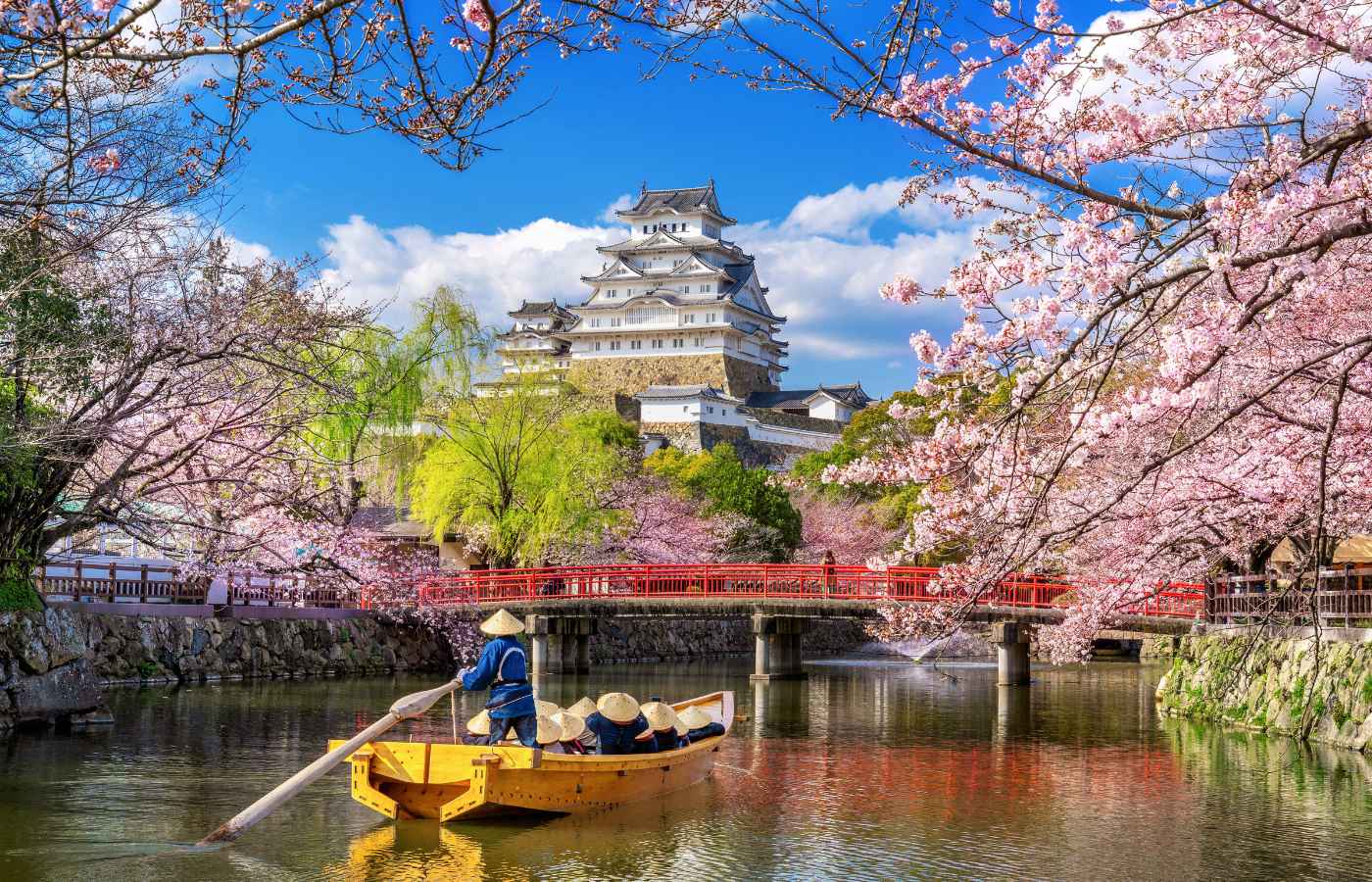
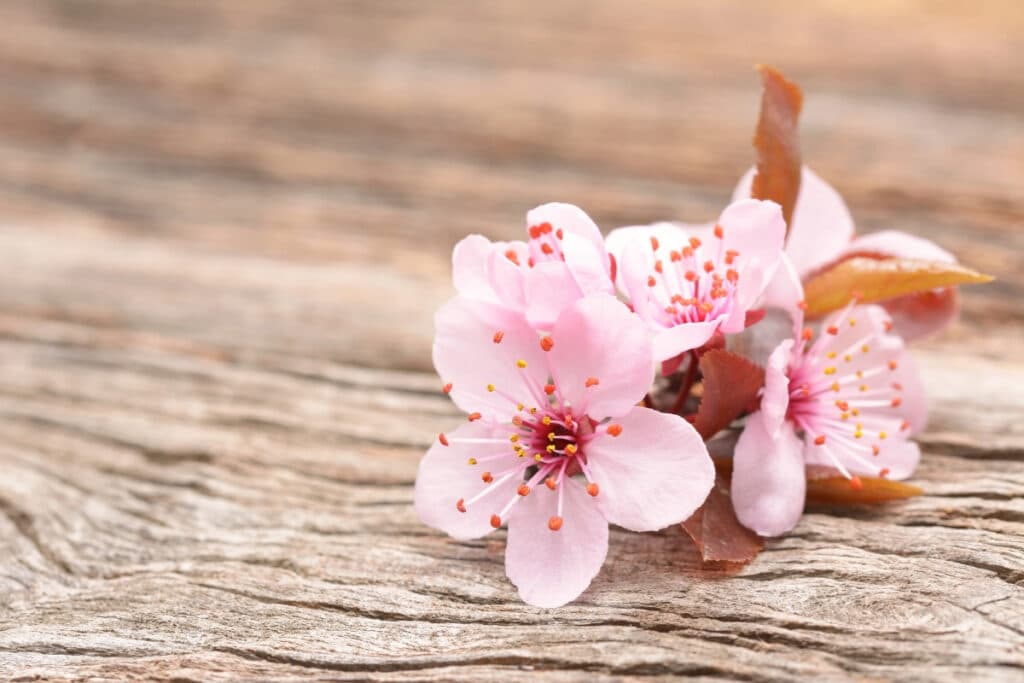
- Significance: The name means “cherry blossom,” in the Japanese language, a quintessential symbol of spring and renewal in Japan.
- Description: Cherry blossoms are an important cultural symbol in Japan, signifying the transient nature of life. It is the national flower of Japan. “Sakura” is frequently used in poetry, songs, and celebrations like the famous “Hanami” or cherry blossom viewing festivals. Naming your little girl Sakura would resonate deeply with these cultural and natural elements.
Hana (はな)
- Pronunciation: Hah-nah
- Significance: Literally translates to “flower.”
- Description: Hana is one of the most straightforward yet deeply expressive names in Japanese. It is the Japanese word for flower. It encapsulates the beauty and essence of flowers as a whole, making it a versatile name that’s widely loved and easily understood.
Ayame (あやめ)
- Pronunciation: Ah-yah-meh
- Significance: This name means “iris,” a flower symbolizing good news and hope.
- Description: The iris flower is often seen in traditional Japanese gardens and is subject to various artworks and poems. Your daughter named Ayame could be a symbol of hope and good tidings, just like the iris flower she is named after.
Tsubaki (つばき)
- Pronunciation: Tsoo-bah-kee
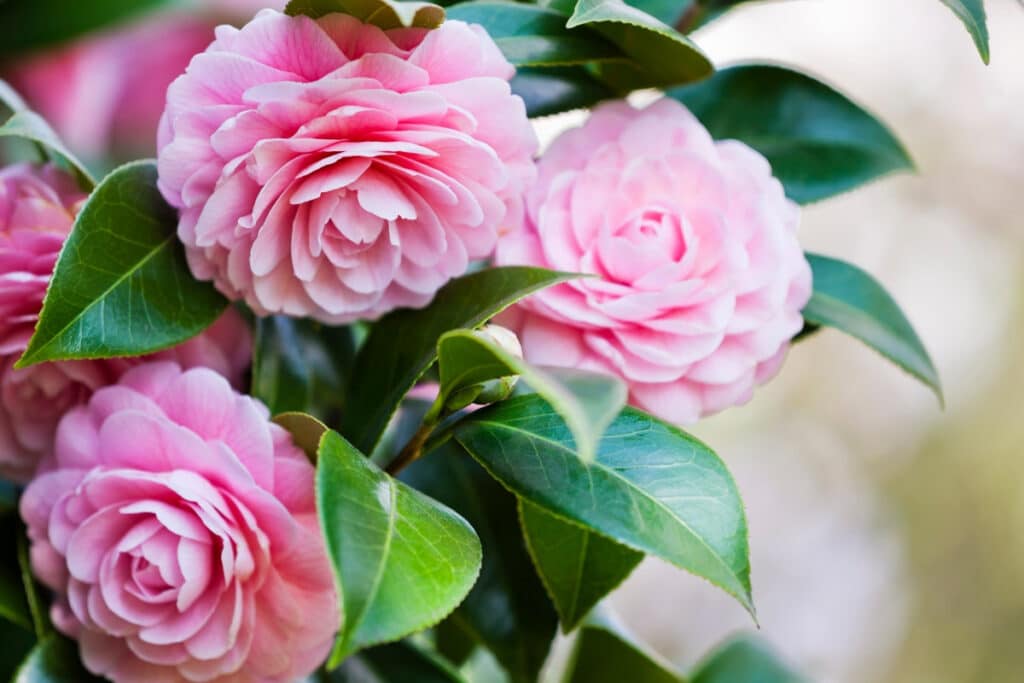
- Significance: Refers to the “camellia flower,” which symbolizes love and adoration.
- Description: Camellia flowers have been cultivated in Japan for centuries and are often associated with the tea ceremony, a cornerstone of Japanese culture. Naming your child Tsubaki not only evokes beauty but also the rich cultural history associated with the flower.
Recommended Japanese Baby Name Book

The Complete Book of Japanese Baby Names: Over 2000 Baby Names from Japan (Shinji Ota)
Families can browse through the many options to choose the perfect Japanese name. It also shares a bit of Japanese culture through naming traditions.
Renge (れんげ)
- Pronunciation: Ren-geh
- Significance: Translates to “lotus blossom,” representing purity and enlightenment.
- Description: The lotus flower holds spiritual significance in various Asian traditions, including Buddhism, symbolizing purity and enlightenment. A name like Renge suggests a life of wisdom and spiritual depth.
Azami (あざみ)
- Pronunciation: Ah-zah-mee
- Significance: Means “thistle flower,” symbolizing defiance and protection.
- Description: Thistles are hardy plants that can grow in difficult conditions, symbolizing resilience and defiance. A girl named Azami is expected to have a strong spirit and the ability to thrive even in challenging situations.
Himawari (ひまわり)
- Pronunciation: Hee-mah-wah-ree
- Significance: Means “sunflower,” embodying brightness and positivity.
- Description: Sunflowers are known for turning their heads towards the sun, a behavior that has made them a symbol of positivity and optimism. The name Himawari would be fitting for a cheerful, sun-loving child.
Yuri (ゆり)
- Pronunciation: Yoo-ree
- Significance: Refers to the “lily,” symbolizing purity and renewal.
- Description: Lilies are often used in various cultural practices, including weddings and other ceremonies, to signify purity and a fresh start. Yuri would be a beautiful name for a girl who brings renewal and purity into the lives of those around her.
Hasu (はす)
- Pronunciation: Hah-soo
- Significance: Means “lotus,” representing spiritual enlightenment.
- Description: Like Renge, Hasu also connects to the lotus flower, which is rich in spiritual symbolism. It’s a timeless name, signifying the eternal cycle of birth and rebirth, making it meaningful on both personal and cosmic levels.
Recommended Japanese Baby Book
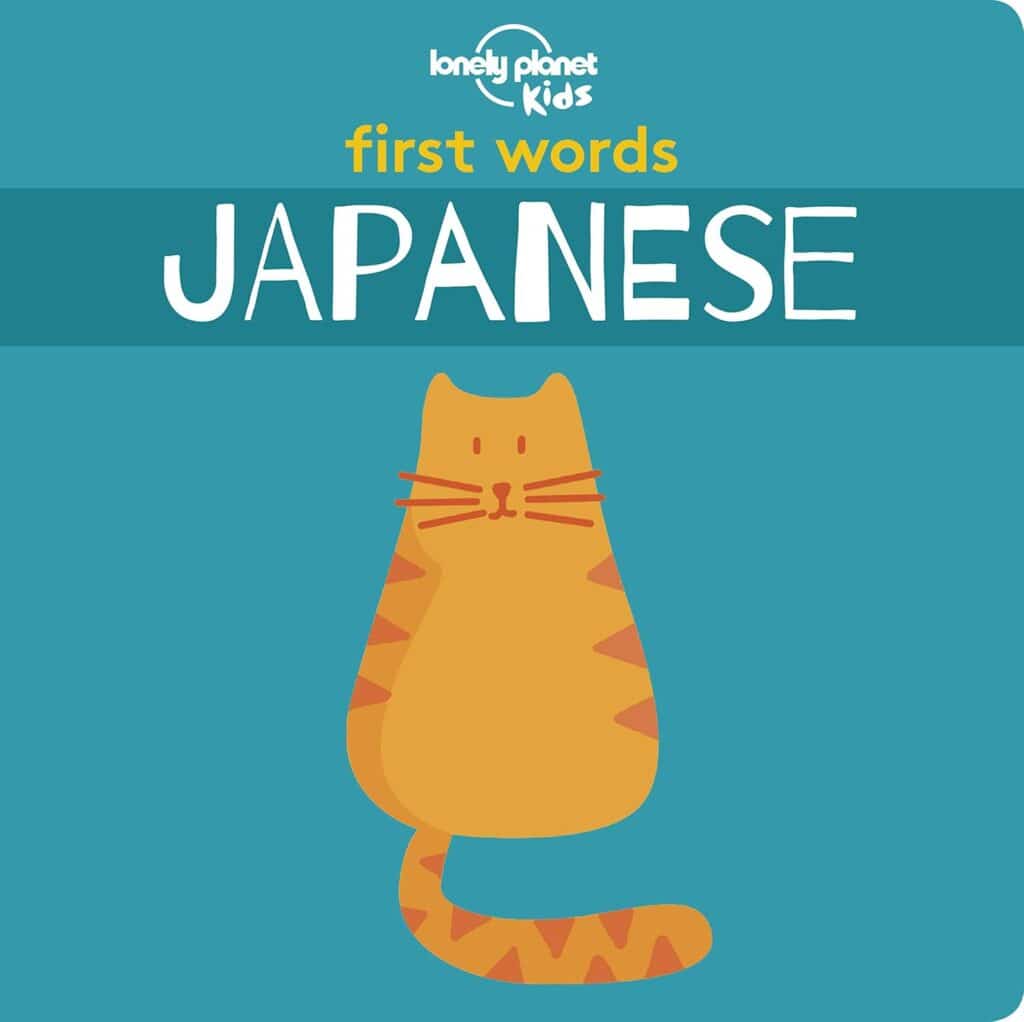
Lonely Planet Kids First Words – Japanese (Lonely Planet Kids)
A bright and fun book that helps children learn their first Japanese words. It makes beginning a new language easy and enjoyable.
Momo (もも)
- Pronunciation: Moh-moh
- Significance: Translates to “peach blossom,” symbolizing happiness and longevity.
- Description: In both Japanese and Chinese traditions, the peach blossom is considered an auspicious symbol, bringing good fortune and longevity. The name Momo captures these attributes, promising a life of joy and long-lasting happiness.
Kiku (きく)
- Pronunciation: Kee-koo
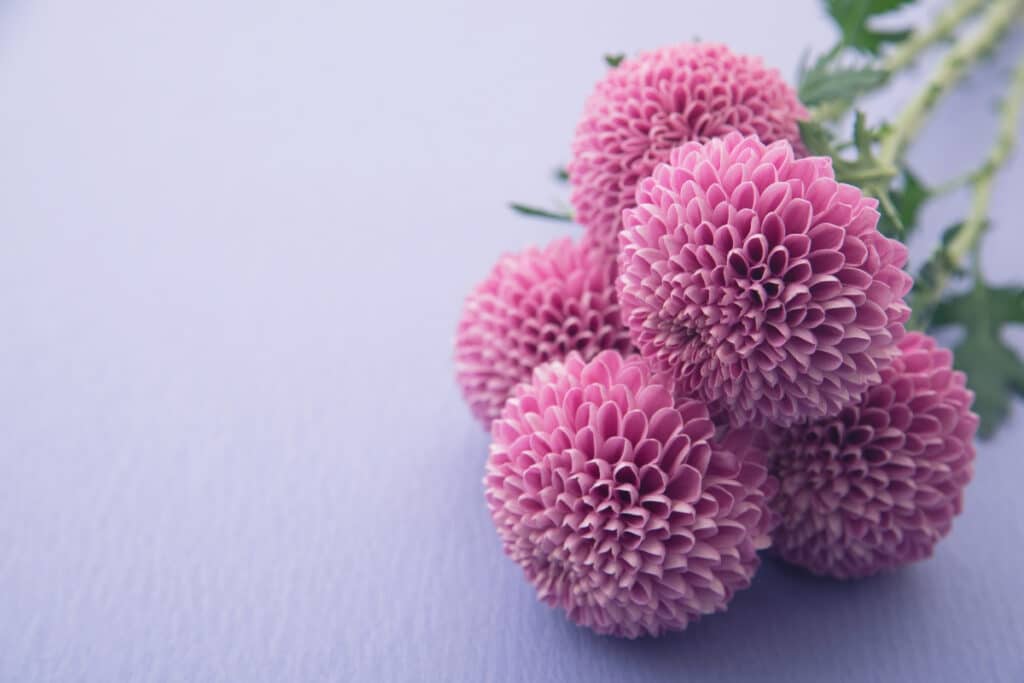
- Significance: Means “chrysanthemum,” symbolizing longevity and rejuvenation.
- Description: Chrysanthemum is a culturally significant flower in Japan, celebrated annually with the “Chrysanthemum Festival.” This meaningful name brings to mind this rich cultural heritage, symbolizing both longevity and nobility.
Yuriko (ゆりこ)
- Pronunciation: Yoo-ree-koh
- Significance: Means “child of the lily.”
- Description: Adding the “ko” suffix, meaning child, creates a more tender, familial variation of the name Yuri. Its special meaning beautifully encapsulates the essence of being the ‘child of the lily,’ adding both a poetic and personal touch.
Sumika (すみか)
- Pronunciation: Soo-mee-kah
- Significance: Translates to “flower blossom.”
- Description: This name of Japanese origin directly means ‘flower blossom,’ but Sumika also evokes imagery of a serene home or a peaceful space, adding an additional layer of meaning and tranquility to the name.
Fuuka (ふうか)
- Pronunciation: Foo-kah
- Significance: Means “flower of the wind.”
- Description: The name suggests a free-spirited individual, akin to a flower carried gently by the wind. Fuuka could be an apt name for a daughter who brings spontaneity and a sense of adventure to your life.
Recommended Japanese Baby Book

Sumo Shapes: (Shape Books for Toddlers 1-3) (Little Sumo) (Sanae Ishida)
This cheerful story uses sumo wrestlers to introduce different shapes. The wrestlers tumble, stretch, and pose in funny ways to make learning easy.
Ran (らん)
- Pronunciation: Rahn
- Significance: Means “orchid,” symbolizing beauty and refinement.
- Description: Orchids are admired for their exotic beauty and refinement. The name Ran evokes a sense of sophistication and exotic beauty, making it suitable for a girl who is both beautiful and unique.
Shion (しおん)
- Pronunciation: Shee-on
- Significance: Refers to “aster,” a flower symbolizing patience and elegance.
- Description: Asters bloom in the fall, a season associated with the beauty of change and maturity. The name Shion captures the flower’s unique blend of elegance and patient blooming, symbolizing someone who comes into their own over time.
Asuka (あすか)
- Pronunciation: Ah-soo-kah
- Significance: Means “fragrance of tomorrow’s flower.”
- Description: The name carries the promise of a future as fragrant as a blooming flower, making Asuka an optimistic and forward-looking choice.
Hinata (ひなた)
- Pronunciation: Hee-nah-tah
- Significance: Though it means “sunny place,” it’s often associated with sunflowers.
- Description: Hinata evokes imagery of a warm, sunlit space, which makes it perfect for a girl who brings warmth and light to your life.
Naoko (なおこ)
- Pronunciation: Nah-oh-koh
- Significance: Translates to “honest flower child.”
- Description: The name carries the virtue of honesty, making Naoko an excellent choice for someone who values integrity and straightforwardness.
Haru (はる)
- Pronunciation: Hah-roo
- Significance: Though it means “spring,” it’s closely linked with springtime flowers.
- Description: Haru is synonymous with the rebirth and rejuvenation that comes with spring. The name conjures images of fields in full bloom and trees sprouting new leaves.
Kanna (かんな)
- Pronunciation: Kahn-nah
- Significance: Means “flower,” simple yet striking.
- Description: Like Hana, the name Kanna encapsulates the simplicity and beauty of a flower, but it does so with a slightly more rhythmic and melodious tone.
Yuka (ゆか)
- Pronunciation: Yoo-kah
- Significance: Translates to “gentle flower.”
- Description: The name Yuka paints a picture of a flower that is delicate but resilient, much like how you’d expect a girl with this name to grow into a strong yet gentle woman.
Maika (まいか)
- Pronunciation: My-kah
- Significance: Means “dance of the flower.”
- Description: Maika is a rhythmic and evocative name that captures the essence of a flower swaying or ‘dancing’ in the wind. It’s a poetic name suited for a girl with a vibrant personality.
Suzuran (すずらん)
- Pronunciation: Soo-zoo-rahn
- Significance: Refers to the “lily of the valley,” symbolizing the return of happiness.
- Description: The lily of the valley is known for its delicate, bell-shaped flowers and sweet fragrance. The name Suzuran embodies the spirit of joy and happiness that comes after enduring hardships.
Recommended Japanese Children’s Book
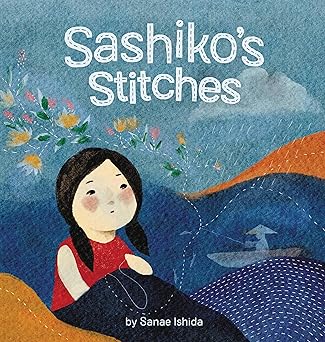
Sashiko’s Stitches (Sanae Ishida)
A touching tale about a girl who solves problems with her sewing needle. Each stitch she makes brings a little bit of help and hope. The story shows how imagination and kindness can make a difference.
Kohana (こはな)
- Pronunciation: Koh-hah-nah
- Significance: Means “little flower,” evoking a sense of innocence and purity.
- Description: Kohana is an endearing name that brings to mind the image of a small but captivating flower, embodying the pure essence of childhood innocence.
Ayaka (あやか)
- Pronunciation: Ah-yah-kah
- Significance: Refers to “colorful flower.”
- Description: Much like a bouquet of mixed flowers, Ayaka symbolizes a vibrant, multifaceted personality that brings joy to everyone around her.
Misaki (みさき)
- Pronunciation: Mee-sah-kee
- Significance: Though commonly meaning “cape” as in a coastal feature, it can also refer to a “beautiful blossom.”
- Description: Misaki blends the natural beauty of both land and flora, making it a poetic name for a girl who embodies the richness of nature.
Kaede (かえで)
- Pronunciation: Kah-eh-deh
- Significance: Refers to the “maple,” often associated with the fall foliage.
- Description: The name Kaede conjures images of the breathtaking colors of autumn leaves. It’s a name that celebrates the beauty in change and transition.
Aoi (あおい)
- Pronunciation: Ah-oh-ee
- Significance: Can mean “blue,” but is also a type of flower called “hollyhock.”
- Description: Aoi’s dual meanings offer a rich tapestry of interpretation, ranging from the serenity of the color blue to the subtle complexity of the hollyhock flower.
Sayuri (さゆり)
- Pronunciation: Sah-yoo-ree
- Significance: Can mean “small lily,” symbolizing purity and beauty.
- Description: Derived from ‘sayu,’ meaning “small,” and ‘uri,’ meaning “lily,” Sayuri is an intimate and delicate name that embodies both purity and beauty.
Hinagiku (ひなぎく)
- Pronunciation: Hee-nah-gee-koo
- Significance: Means “daisy.”
- Description: The name Hinagiku captures the quintessence of a daisy, a flower often associated with purity, innocence, and simplicity. In Japanese culture, daisies are considered symbols of unblemished beauty and are often used to represent new beginnings or the uncorrupted essence of youth.
Asagao (朝顔)
- Pronunciation: Ah-sah-gah-oh
- Significance: The name means “morning glory,” a flower symbolizing affection and the ephemeral nature of love or life.
- Description: If you’re enchanted by the transient beauty of morning glories that bloom at dawn only to fade by the afternoon, Asagao could be the poetic and meaningful name you’re looking for. It speaks to the fleeting, yet profoundly beautiful, moments that life has to offer. Ideal for parents seeking a name that balances both cultural depth and whimsical charm.
Botan (牡丹)
- Pronunciation: Boh-tahn
- Significance: Means “peony,” symbolizing bravery, honor, and prosperity.
- Description: The peony is admired in Japan for its large, showy blossoms and its strong association with good fortune and honor. A traditional yet still beloved choice, Botan carries a sense of elegance and strength, making it a meaningful name for a child destined to stand tall.
Ume (梅)
- Pronunciation: Oo-meh
- Significance: Means “plum blossom,” a symbol of resilience and hope.
- Description: Plum blossoms bloom in late winter, often before other flowers appear, making them a symbol of perseverance and renewal. Naming your child Ume evokes the beauty of resilience and the promise of brighter days ahead.
Kikyo (桔梗)
- Pronunciation: Kee-kyoh
- Significance: Refers to the “bellflower,” representing unchanging love, honesty, and obedience.
- Description: The bellflower is a poetic, less common floral name in Japan, celebrated in art and literature. Kikyo makes a graceful and unique choice for parents seeking a name with both elegance and symbolic depth.
Shobu (菖蒲)
- Pronunciation: Shoh-boo
- Significance: Means “iris” (a different variety than Ayame). Associated with strength and traditionally used in Boys’ Festival celebrations.
- Description: Shobu leaves and flowers are often displayed during Children’s Day (formerly Boys’ Festival) in Japan, symbolizing strength and protection. While less common as a given name, Shobu makes a distinctive and meaningful choice that can also work well as gender-neutral.
Gender-Neutral / Boy-Friendly Japanese Names That Mean Flower
While most flower-inspired names in Japan are traditionally given to girls, some carry meanings and sounds that work beautifully for boys, too. These gender-neutral options draw from nature and culture, offering unique yet meaningful choices for any child.
Sumire (すみれ)
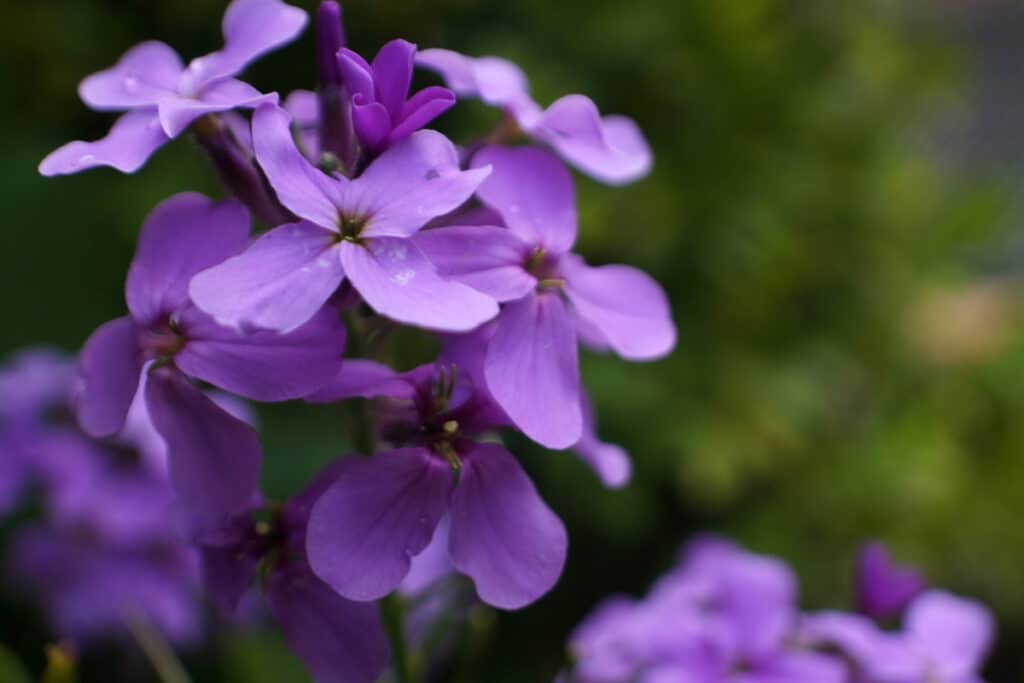
“Violet.” Traditionally feminine, but in modern naming trends could be considered soft unisex, especially outside Japan.
Haru (はる)
“Spring” (closely linked to spring flowers). Light, fresh, and widely unisex.
Aoi (あおい)
Means “hollyhock” (also associated with the color blue). Very common as a gender-neutral name in Japan.
Ren (れん)
Means “lotus.” Short, modern, and popular for boys in Japan, though used for girls too.
Kaede (かえで)
“Maple leaf.” More of a nature name than strictly a flower, but often used for both boys and girls.
Hinata (ひなた)
“Sunny place,” often linked with sunflowers. Very popular as a gender-neutral name.
Itsuki (いつき)
While it literally means “tree,” it’s sometimes tied to blossoms and is considered unisex.
Why Choose Japanese Names That Mean Flower?
In Japan, flowers hold deep cultural and symbolic meaning. Cherry blossoms (sakura) represent renewal, chrysanthemums symbolize longevity and the Emperor, and the lotus reflects purity and enlightenment. Many of these traditions are tied to Hanakotoba, the Japanese “language of flowers,” where each bloom carries a message of love, purity, resilience, or joy.
That’s why floral names like Sakura and Hana have been beloved for centuries, while newer choices like Fuuka or Ayaka continue to bloom in popularity today.
Famous People with Flower-Inspired Japanese Names
Sakura Ando
A prominent Japanese actress, Sakura Ando has been featured in critically acclaimed films such as “Shoplifters” (2018), which won the Palme d’Or at the Cannes Film Festival. Her name reflects the delicate beauty and renewal that the cherry blossom signifies in Japanese culture.
Hana Sugisaki
An up-and-coming Japanese actress, Hana Sugisaki has gained attention for her roles in films like “Bleach” and “Mary and the Witch’s Flower.” She embodies the simple, yet profound beauty that her name signifies.
Ayame Goriki
A versatile actress and model, Ayame Goriki has taken on various roles in Japanese dramas and films. Like the iris flower, her career seems to symbolize hope and good news in the Japanese entertainment industry.
Yuri Ebihara
A Japanese model and actress, Yuri Ebihara has graced many magazine covers in Japan. Her name captures the purity and renewal symbolized by the lily.
Momo Yaoyorozu
Though a fictional character from the anime “My Hero Academia,” Momo Yaoyorozu has become quite iconic. Her intelligence and resourcefulness are just as charming as her name, which signifies happiness and longevity.
Kiku Sharda
An Indian comedian with a surprisingly floral Japanese name, Kiku Sharda is best known for his work on various Indian television comedy shows. His name means chrysanthemum, which is a symbol of long life and rejuvenation.
Haru Kuroki
An award-winning Japanese actress, Haru Kuroki has received numerous accolades, including the Silver Bear for Best Actress at the Berlin International Film Festival. Her name embodies the spirit of spring and the renewal it brings.
Sayuri Yoshinaga
A veteran Japanese actress, Sayuri Yoshinaga has appeared in more than 100 films and received numerous awards. Her name, meaning “small lily,” captures both her elegance and her lasting impact on the Japanese film industry.
Hinata Hyuga
Another fictional character, this time from the anime “Naruto,” Hinata Hyuga is beloved by fans worldwide. Her name means “sunny place,” and she shines as bright as any sunflower in her storyline.
Kaede Matsushima
A former Japanese actress, Kaede Matsushima was a prominent name in the early 2000s. Though her name refers to the maple leaf, its associated beauty mirrors the fall foliage, capturing the essence of a colorful, transient beauty.
Tips for Choosing the Perfect Japanese Flower Name
If you’re considering a Japanese name that means flower, here are a few quick tips to help you choose:
- Future-Proofing: Picture the name on a toddler, a teen, and an adult—it should work for every stage.
- Sound & Flow: Say it aloud—does it sound natural with your last name?
- Meaning: Learn the cultural symbolism behind the flower (e.g., Sakura for renewal, Yuri for purity).
- Spelling & Pronunciation: Make sure it’s easy enough to say and spell in daily life.
- Family Fit: Consider sibling names and family traditions for harmony.
More Japanese Baby Name Ideas
If you loved these Japanese names that mean flower, you may also enjoy our other name collections:
- Japanese Names That Mean Light – radiant names filled with brightness and hope.
- Japanese Baby Names That Mean Star – celestial names inspired by the night sky.
- Japanese Baby Names That Mean ‘Shadow’ – mysterious and meaningful names rooted in depth and intrigue.
These guides pair beautifully with floral names, giving you even more inspiration as you search for the perfect name.
So there you have it! A splendid garden full of beautiful Japanese names as gorgeous as any red rose.
Whether you’re drawn to the rare beauty of a less common name like Yuriko or the timeless allure of a popular name like Sakura, there’s a floral name for every family. These names don’t just hold a special place in Japanese art and Japanese gardens but also in the lives of people, capturing everything from pure hearts to long-lasting love.
Related Posts:

Calie Herbst, Editor-in-Chief of Milwaukee With Kids, has spent over a decade combining her experiences as a parent of three to create a hub for Milwaukee’s family adventures.
Her decade-long teaching career in Milwaukee Public Schools and academic background, including a Master’s in Teaching from Marquette University and dual B.A.s in Sociology and Spanish from the University of Wisconsin – Madison, fuel her passion for inclusive and engaging family content.
Calie is also a recognized voice in local media, contributing to WISN Channel 12 News, WTMJ Wisconsin Morning News, Fox 6’s Real Milwaukee, and B93.3.
Discover more about Calie’s journey and editorial approach on her About Page and Editorial Policy Page.