

Keeping a toddler busy every day is no small task. Their routines shift, their moods change quickly, and their curiosity is endless—which means most parents are always looking for simple ideas that actually work.
To make things easier, we pulled together a list of 50 daily activities for toddlers that you can use at home, outside, or on the go. These ideas are low-prep, easy to repeat, and great for building the kind of everyday rhythm toddlers love.
You’ll also find a simple daily toddler schedule to help bring a little structure to your day. Every family’s routine looks different, so use it as a starting point and adjust it to what works best for your child.
Whether you’re filling a few minutes before lunch or planning a full day at home, these activities are designed to keep your toddler engaged, learning, and having fun.
Let’s jump in.
💡 For even more ideas, you can browse our age-based baby & toddler activity guide.
Quick List of Daily Toddler Activities
Short on time? Here are simple, go-to activities that support your toddler’s play, movement, and learning throughout the day:
- Playdough: Quick creative play that strengthens little hands.
- Nature walk: A few minutes outside to burn energy and spark curiosity.
- Shape sorting: Easy early-learning activity with toys you already have.
- Sensory bin: Rice, pasta, or water—instant quiet focus time.
- Dance party: Fast movement break when energy is high.
- Water play: Pouring, scooping, splashing—always a hit.
- Puzzles: Calm, screen-free problem-solving.
- Sidewalk chalk: Outdoors + creativity in one simple setup.
- Alphabet hunt: Hide letters around the room for a quick learning game.
A Simple Daily Routine for Toddlers
Toddlers thrive on predictable rhythms, but every family’s day looks a little different. Use this sample routine as a gentle guide—something you can adapt based on naps, temperament, and your own schedule.
Morning
- Wake up
- Diaper change or potty time
- Breakfast (here are some easy, low-sugar breakfast ideas for kids)
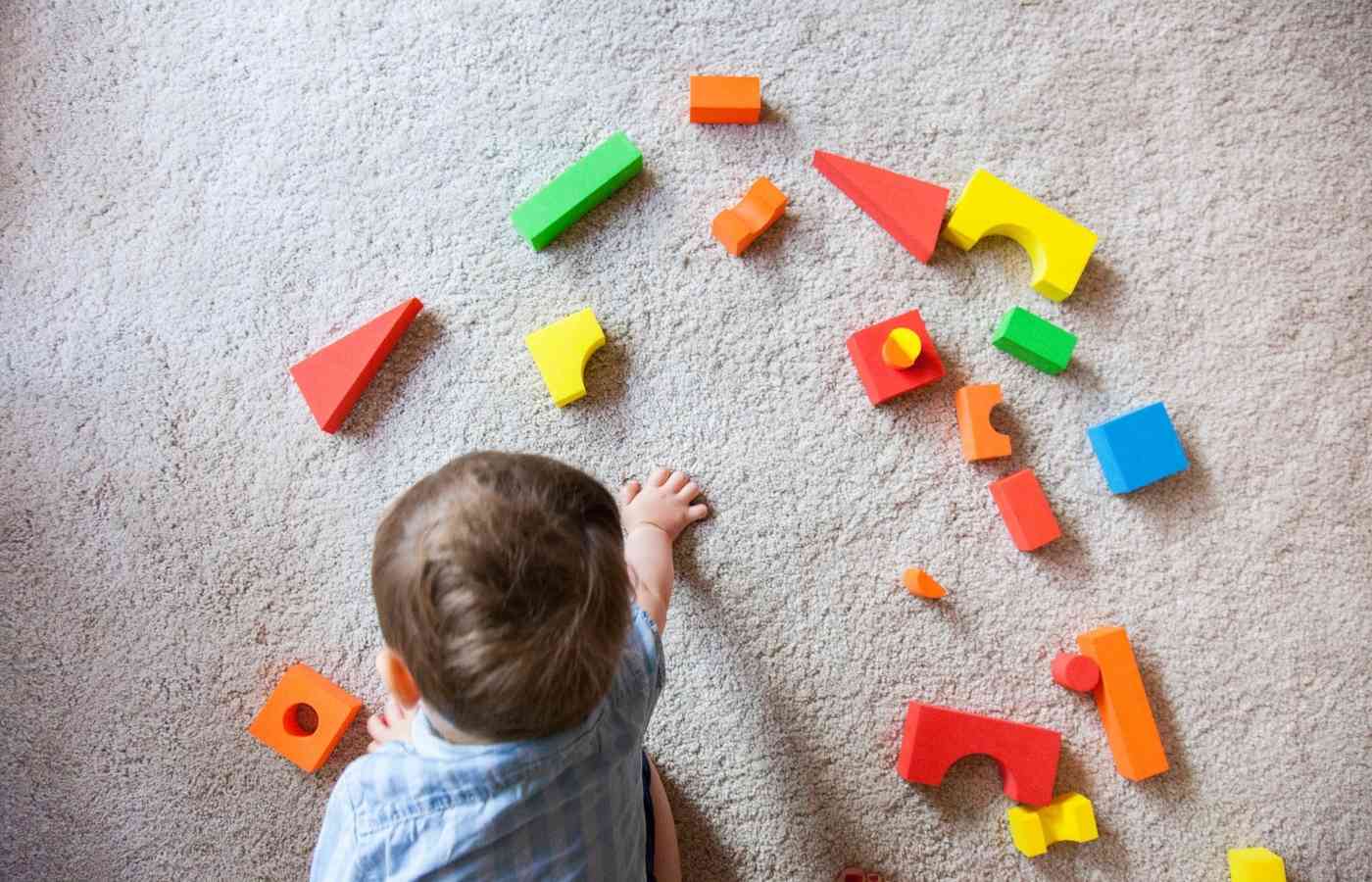
- Interactive play: blocks, puzzles, books
- Physical activity: dancing, nature walk, simple yoga or stretching
Mid-Morning
- Snack + water
- Focused activity: sensory play, color matching, sorting
- Independent playtime
- Lunch
Afternoon
- Quiet time or nap time
- Snack + water
- Creative activity: playdough, art, coloring
- Active play: backyard time, park, tricycle, playground
Late Afternoon / Evening
- Snack if needed
- Free play or screen time while you prep dinner
- Simple chores: setting the table, helping tidy up
Bedtime Routine
- Relaxing activity (bath, books, quiet music)
- Pajamas, teeth brushing
- Low lights + calm environment
- Bedtime story
Every toddler’s needs are different, so allow room for flexibility—and plenty of unstructured play. A routine is there to support you, not stress you.
💡Chasing after a busy toddler all day? Check out more fun activities for kids to do at home designed to work within the wonderful chaos of home life with toddlers.
Daily Toddler Activities: The Full List
These ideas work well as part of your daily rhythm—whether you’re home all day, filling the time between errands, or searching for something quick before dinner. Choose a few that fit your child’s mood and energy level each day.
Arts & Crafts (Low-Prep Creative Fun)
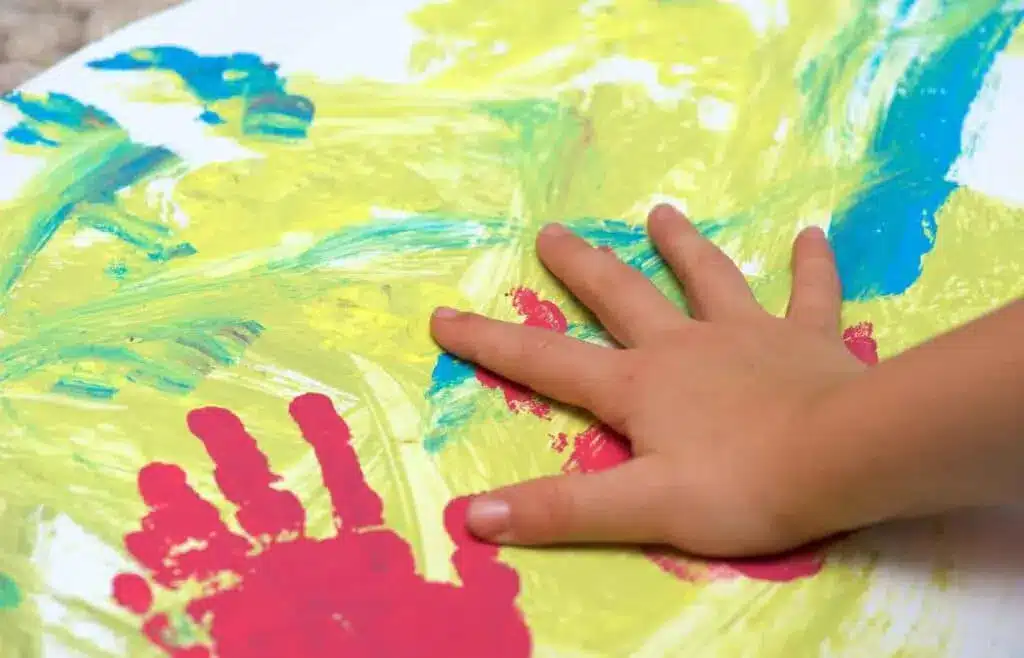
Finger Painting
A classic toddler favorite that strengthens fine motor skills and invites sensory exploration. Try offering just two colors at a time to keep things calm and help little ones notice how colors mix and change.
Playdough Creations
Soft, squishy playdough is perfect for strengthening hand muscles and encouraging open-ended play. Add safe kitchen tools (like a potato masher or cookie cutters) to make things feel brand-new without extra prep.
Collage Making
Gather paper scraps, stickers, magazines, and fabric pieces for a simple invitation to create. Toddlers love the feeling of layering and arranging—plus it’s a great way to use up old craft materials. Keep a small basket of “collage odds and ends” so this activity is always ready to go.
DIY Sensory Bottles
Fill a clear bottle with water, beads, glitter, pompoms, or tiny objects. These make gentle calming tools for toddlers and offer an easy way to explore cause-and-effect. Try making a few bottles with different themes—“rainstorm,” “ocean,” or “rainbow.”
Outdoor & Active Play
Nature Walk
A slow stroll—even just around the block—gives toddlers a chance to stop, crouch, point, and notice the world. Bring a small “treasure pocket” or container so they can collect a leaf, pebble, or pinecone along the way.
Sandbox Time
Toddlers naturally settle into deep play when sand is involved. Keep a few simple tools nearby (a spoon, measuring cup, or small bucket) to spark new ideas without adding clutter.
Water Play
A bowl of water and a few scoops or cups can keep a toddler busy longer than most toys. Try adding ice cubes, sponges, or a tiny bit of food coloring for an instant twist.
Sidewalk Chalk
Chalk is perfect for drawing, tracing shadows, or making simple obstacle paths. Toddlers also love when you outline their hands or feet and let them decorate the shapes however they want. Want some inspiration? Here are 25 fun sidewalk chalk ideas for your kids
Tricycle Ride
A short trike ride builds independence, coordination, and confidence. Let your toddler choose the route (“left or right?”) to make it feel like their adventure.
Yoga or Stretching
Simple poses help toddlers connect with their bodies. Try turning it into a “copy the animal” game—cat stretch, butterfly wings, star pose, or slow turtle walk.
Follow-the-Leader
Toddlers love taking turns being the leader. Mix in easy motions—hopping, tiptoeing, clapping overhead—to keep the game fresh and playful.
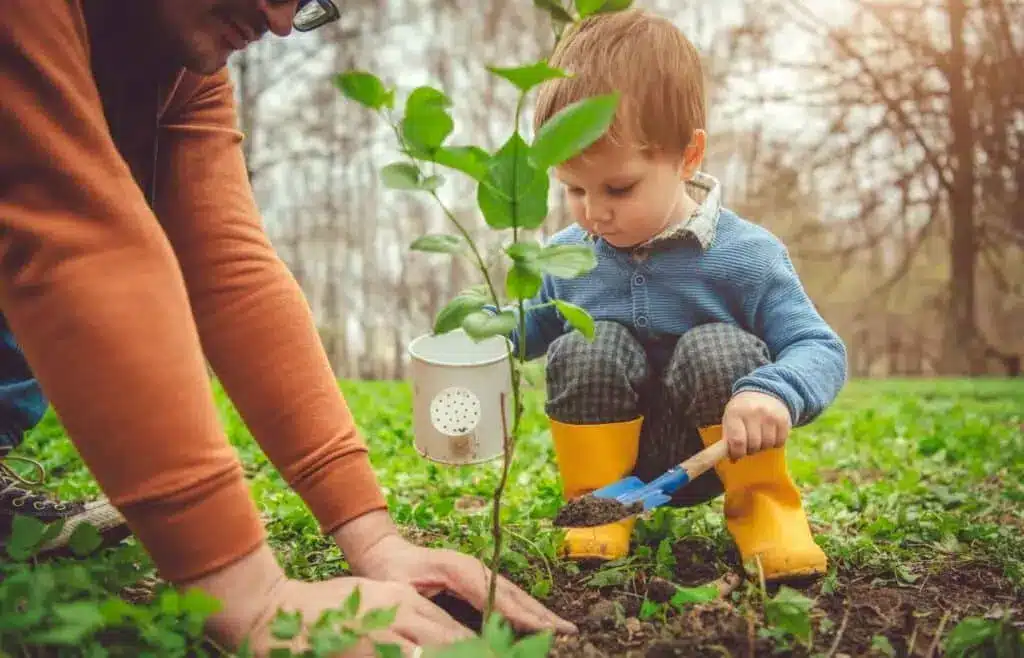
Gardening
Little helpers love scooping soil, watering plants, and watching seeds sprout. A small spray bottle can turn watering into a daily ritual. If your toddler enjoys helping in the garden, you might also like our list of fast-growing seeds for kids. These varieties sprout quickly, making it easier for little ones to stay excited and involved.
Educational Play (Short, Simple Learning Moments)
Alphabet Games
Early letter exposure doesn’t need structure—just playful curiosity. Hide a few magnetic letters around the room for an easy alphabet hunt, or trace letters in a shallow tray of salt or sand. If you’d like more letter activities, ABCMouse also offers simple alphabet games that many families find helpful.
Number Games
Toddlers learn best through movement and real objects. Try counting steps as you walk, matching toy cars to number cards, or grouping everyday items into small “families” of two or three.
Simple Science Experiments
Quick experiments spark natural wonder. Try a sink-or-float test in the kitchen sink, a tiny scoop of baking soda + vinegar fizz, or a magnet hunt around the house. For more hands-on learning, explore our full list of simple science experiments for kids.
Shape Practice
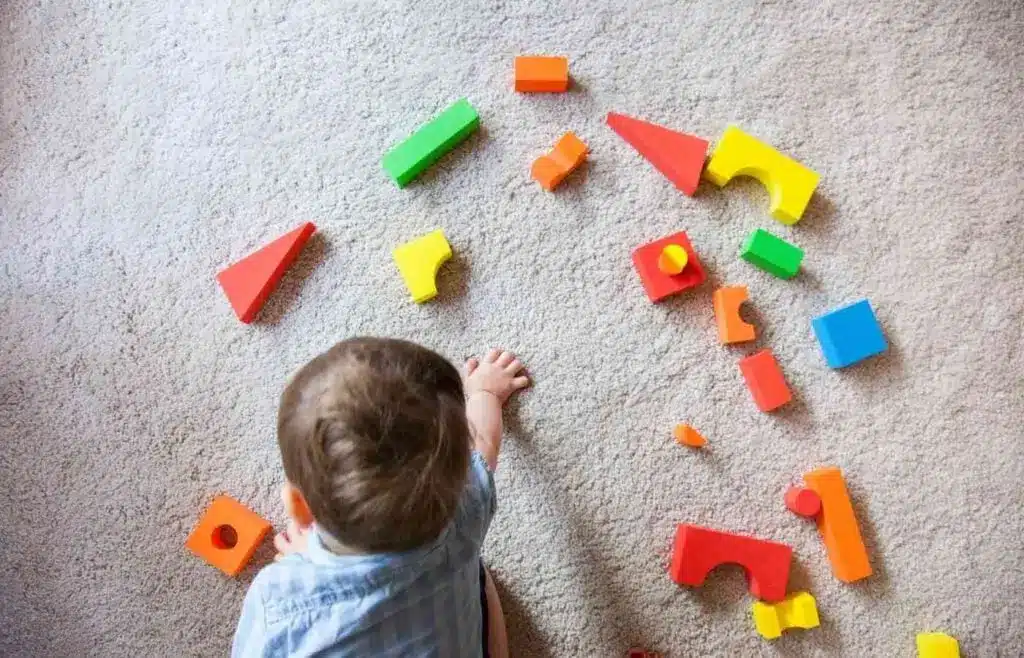
Look for circles, squares, and triangles together during your day—on clocks, windows, plates, and books. For hands-on practice, trace shapes in playdough or sort blocks into simple shape piles.
You can find even more easy ideas in our guide to shape activities for toddlers.
Color Sorting
Toddlers love grouping objects by color. Use blocks, toy animals, or even socks from the laundry basket. It’s quick, repeatable, and great for building early categorization skills.
Puzzles
Choose puzzles with larger pieces or knobs to make them toddler-friendly. Puzzles build spatial reasoning and patient thinking, especially when you sit nearby and narrate what you see (“I notice the blue piece has a curved edge…”).
Read a Book
A few minutes of shared reading each day supports language, connection, and calm. Toddlers love repetition, so don’t hesitate to read the same favorite book again…and again. Need ideas? Try our roundup of best books for 1-year-olds for reading suggestions perfect for little listeners.
Musical Activities
Dance Party
A few minutes of music can turn the whole mood around. Let your toddler choose a song, or play something upbeat and simple. Movement helps release energy and gives them a chance to express themselves freely. Check out our favorite dance songs for kids.
Instrument Exploration
Offer a small basket of toddler-safe instruments—shakers, a tiny drum, rhythm sticks, or a xylophone. You can also make simple instruments from items you already have, like a container filled with dry beans or a wooden spoon and pot lid. Toddlers love discovering how different sounds are made.
Nursery Rhyme Sing-Alongs
Classic rhymes give toddlers predictable rhythm and repetition. Clap along, tap the beat, or act out motions to make the experience more interactive. These familiar songs also build early language and memory skills in a playful, low-pressure way.
Sensory Play
Sensory Bins
A simple bin filled with rice, pasta, kinetic sand, or natural materials can keep toddlers engaged for long stretches. Add scoops, cups, or a small muffin tin to encourage pouring and sorting. Rotate the filler every so often to make the same activity feel brand-new.
Bubbles
Chasing and popping bubbles builds hand–eye coordination and keeps toddlers moving. Try blowing bubbles both high and low to encourage different types of motion—jumping, reaching, crawling, and quick changes of direction.
Kinetic Sand
Soft, moldable, and calming, kinetic sand is perfect for open-ended play. Toddlers naturally experiment with pressing, scooping, slicing, and building. Offer a few tools (a dull plastic knife, cookie cutters, or a small cup) to add variety without creating clutter.
Imaginative & Social Play
Dress-Up
A few scarves, hats, or costume pieces can unlock big pretend worlds. Toddlers love becoming animals, superheroes, chefs—anything they can imagine. You don’t need a full dress-up bin; even everyday clothing items spark great storytelling.
Puppet Shows
Use puppets, stuffed animals, or socks with drawn-on faces to bring simple stories to life. Toddlers enjoy giving characters voices and watching them “talk.” It’s a playful way to build language and social-emotional skills.
Storytelling
Tell short, simple stories together using toys you already have. Try “story starters,” like placing three toys in a row and asking, “What should happen first?” Toddlers love being in charge of what comes next.
Pretend Kitchen
Pretend cooking is a toddler classic. Let them “cook” with play food, real kitchen tools, or a bowl of pom-poms. This kind of role-play helps them mimic real-life routines, practice new words, and build independence.
Tea Party
A few cups and stuffed animals can turn snack time into a sweet little gathering. Toddlers naturally practice sharing, taking turns, and using gentle manners through pretend tea parties.
Teddy Bear Picnic
Invite a favorite stuffed animal to an indoor or backyard picnic. Toddlers love packing a bag, choosing snacks, and setting up the space. It’s a simple way to mix pretend play with a little outdoor time.
Playdates
Short, simple playdates help toddlers build early social skills—sharing, taking turns, and playing alongside a peer. Keep expectations low; parallel play is completely normal at this age.
Screen Time (High-Quality Options)
When you need a few quiet minutes or a structured activity, these gentle, kid-friendly platforms offer simple games, stories, or learning moments without overwhelming young viewers:
Khan Academy Kids
A free, well-loved app with short activities focused on early learning skills like letters, numbers, and problem-solving.
Sago Mini World
A playful app toddlers enjoy on the go, especially for travel days or waiting rooms.
PBS Kids
Thoughtful shows and games based on familiar characters, with an emphasis on kindness, curiosity, and simple problem-solving.
ABCMouse
ABCMouse offers structured early-learning games and activities many families find useful for letters, numbers, and early reading skills.
Starfall
A calm, straightforward site with early literacy and pre-reading activities.
Storyline Online
Actors read picture books aloud in a warm, engaging format—great for quieter moments or rest time.
💡Need more ideas? Check out our roundup of the Best Free Educational Websites For Kids – Trusted sites your child can explore safely.
Creating a Daily Rhythm That Works for Your Family
Toddlers learn and thrive through repetition, simple routines, and plenty of play. You don’t need to fill every moment of the day—just choose a few activities that match your child’s energy and interests, and keep the rest flexible. A calm rhythm is often more helpful than a perfectly structured schedule.
More Toddler Activity Ideas You May Like
- Best Car Activities for Toddlers: Perfect for road trips or everyday errands.
- Best Travel Activities for Toddlers: Great for flights, long drives, or hotel downtime.
- Best Audiobooks for Families: A quiet, calming activity for rest time or winding down.
- 100 Best Indoor Activities for Your 14 Month Old: Easy ideas for younger toddlers and early walkers.
- 50 Best Activities for Your 17 Month Old: More hands-on activities broken down by age.

Calie Herbst, Editor-in-Chief of Milwaukee With Kids, has spent over a decade combining her experiences as a parent of three to create a hub for Milwaukee’s family adventures.
Her decade-long teaching career in Milwaukee Public Schools and academic background, including a Master’s in Teaching from Marquette University and dual B.A.s in Sociology and Spanish from the University of Wisconsin – Madison, fuel her passion for inclusive and engaging family content.
Calie is also a recognized voice in local media, contributing to WISN Channel 12 News, WTMJ Wisconsin Morning News, Fox 6’s Real Milwaukee, and B93.3.
Discover more about Calie’s journey and editorial approach on her About Page and Editorial Policy Page.