


Updated in 2025 with fresh details and an expanded FAQ section.

Save This For Later
Naming a baby is an exciting and joyous task for parents-to-be. It is a deeply personal decision that requires careful consideration and often reflects cultural and familial traditions.
In Indian culture, names carry great significance and are chosen with great care. If you’re looking for Hindi and Indian names for your little boy that start with “Poo,” you’ve come to the right place.
In this post, we’ve scoured the internet and compiled a list of 50 beautiful and meaningful baby boy names starting with “Poo.” These unique names are derived from various Indian languages and are steeped in cultural significance.
These names continue to hold meaning in 2026, balancing timeless tradition with fresh appeal for modern parents.
So, without further ado, let’s dive into our list of baby boy names starting with “Poo” and discover the perfect name for your little one.
👉 Looking for even more inspiration? Browse our complete Baby Names Directory with hundreds of options to explore.
50 Hindi and Indian Baby Boy Names Starting With “Poo”
Here are 50 Hindi and Indian boy names that start with -poo, in order of popularity. From traditional names to more unique and modern names, you’re sure to find one that resonates with you and your family:
1. Poojan — Worship, Prayer
Poojan (पूजन) comes from the Sanskrit root puj (“to worship”). It directly means “worship” or “act of prayer.” The name reflects devotion, reverence, and spiritual connection.
2. Poojit — Revered, Honored
Poojit (पूजित) means “worshipped” or “honored.” It is often given to boys as a blessing that they will be respected and valued. The name highlights esteem and reverence.
3. Poonish — Lord of Purity
Poonish (पूनिश) is a modern name interpreted as “lord of purity.” It is uncommon but seen as a blend of punya(virtue/purity) and ish (lord). The name conveys clarity and moral strength.
4. Pooresh — Lord of the Sacred Place
Pooresh (पूरेश) combines pura (city/sacred place) and īśa (lord), meaning “lord of the town” or “lord of the sacred place.” It emphasizes leadership, protection, and purity.
5. Poornam — Complete, Whole
Poornam (पूर्णम्) comes from purna, meaning “full” or “complete.” In spiritual texts, it represents wholeness and fulfillment. The name symbolizes balance and contentment.
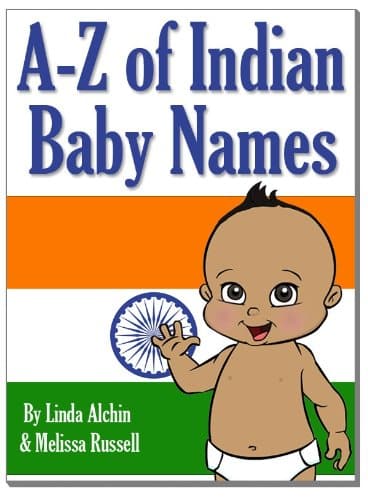
Good Night India (Good Night Our World) (Nitya Khemka)
This board book is part of the “Good Night Our World” series and takes young readers on an educational tour of India. It highlights the country’s natural and cultural wonders, so children appreciate the diverse landscape and landmarks.
More Indian Baby Name Inspiration
6. Poorv — East, Former
Poorv (पूर्व) literally means “east” or “earlier/former.” In Indian tradition, the east is tied to dawn and beginnings. The name suggests freshness, progress, and optimism.
7. Poorvansh — Ancestral Lineage
Poorvansh (पूर्वांश) combines purva (east/earlier) and ansh (part), meaning “part of the east” or “descendant of the ancients.” It reflects heritage and continuity across generations.
8. Poorvaksh — Eastern Vision
Poorvaksh (पूर्वाक्ष) blends purva (east) and aksha (eye/sight), meaning “eastern vision” or “eyes toward the east.” It symbolizes foresight, clarity, and perspective.
9. Poorvith — Eastward
Poorvith (पूर्वित) means “eastward” or “oriented toward the east.” It reflects direction, purpose, and hope. The name carries an uplifting, forward-looking quality.
10. Poorvraj — Ancient King
Poorvraj (पूर्वराज) comes from purva (earlier) and raja (king), meaning “former king” or “king of the east.” It conveys strength, leadership, and connection to ancient traditions.
👉As you dream about the future with your little one, our epic list of our favorite Baby Boy Nursery Themes can help inspire the perfect nursery design to welcome your baby home.
11. Poorvaj — Born in the East
Poorvaj (पूर्वज) literally means “ancestor” (purva = before, ja = born). While often used to mean “forefather,” it is also taken to mean “born in the east.” It connects the child to lineage and heritage.
12. Poorvash — One Who Is from the East
Poorvash (पूर्वश) means “eastern” or “belonging to the east.” It reflects association with the direction of sunrise, symbolizing hope and fresh starts.
13. Poorvesh — Lord of the East
Poorvesh (पूर्वेश) is derived from purva (east) and īśa (lord), meaning “lord of the east.” It conveys strength, rulership, and auspiciousness.
14. Poorvish — From the East
Poorvish (पूर्विष) means “of the east” or “from the east.” It is a modern-sounding variant with the same hopeful, forward-looking symbolism tied to sunrise.
15. Poorvank — Ancient / Part of the East
Poorvank (पूर्वाङ्क) combines purva (before, east) and ank (part/mark). It is interpreted as “part of the east” or “ancient.” The name conveys heritage and belonging.
Recommended Indian Baby Book
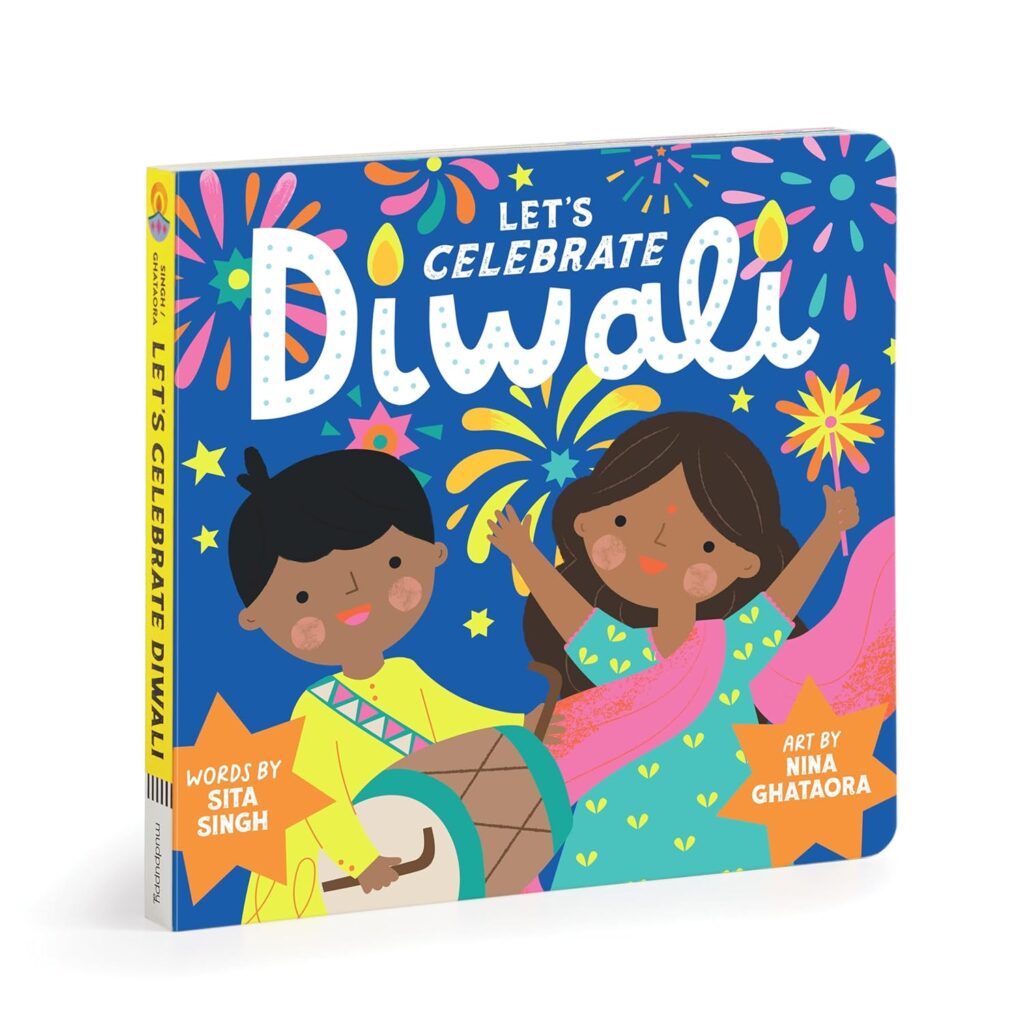
Let’s Celebrate Diwali Board Book (Mudpuppy)
This board book introduces little ones to the Festival of Lights with simple rhymes and colorful illustrations. Children will see glowing diyas, rangoli patterns, fireworks, and festive foods while learning about family, gratitude, and togetherness.
16. Poorvak — From the East
Poorvak (पूर्वक) means “eastern” or “from the east.” It emphasizes roots and direction, often tied to qualities of renewal and growth.
17. Poorve — Eastern Person
Poorve (पूर्वे) is less common and simply means “from the east” or “eastern.” It’s a straightforward name with regional and ancestral associations.
18. Poorvith — Eastward
Poorvith (पूर्वित) means “eastward.” It denotes orientation or movement toward the east, symbolizing progress and new beginnings.
19. Poorvanshi — Descendant of the East
Poorvanshi (पूर्वांशी) blends purva (east) with ansh (part), meaning “descendant of the east.” It emphasizes ancestry and continuity.
20. Poorvikaant — Eastern Sunrise
Poorvikaant (पूर्विकान्त) is less common, but interpreted as “eastern light” or “eastern sunrise.” It symbolizes radiance and dawn, a poetic image of new life.

21. Poorvin — Full Moon
Poorvin (पूर्णिन) derives from purna (full, complete) and is associated with the “full moon.” It symbolizes clarity, peace, and beauty.
22. Poorvishaar — Eastern Horizon
Poorvishaar (पूर्विशार) is a rare name, interpreted as “eastern horizon.” It reflects vastness, vision, and the meeting of sky and earth at sunrise.
23. Poorvanshuk — The Moon of the East
Poorvanshuk (पूर्वांशुक) blends purva (east) and anshuk (ray/beam), meaning “eastern ray of light.” Some also translate it as “moon of the east.” It symbolizes brightness and vitality.
24. Poorvashil — One with a Pure Nature
Poorvashil (पूर्वशील) combines purva (earlier, eastern) and shila (nature/disposition). It means “one with a virtuous or pure nature.” It emphasizes character and moral values.
25. Poorveen — Ancient / Skilled
Poorveen (पूर्वीन) means “eastern” or “ancient.” Some interpret it as “expert/skilled,” but its stronger root is directional/temporal (“of the east” or “of earlier times”).
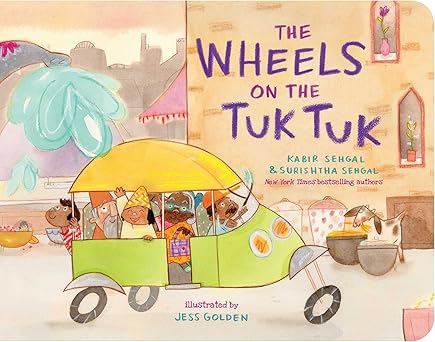
The Wheels on the Tuk Tuk (Surishtha Sehgal & Kabir Sehgal)
This is an Indian baby board book that is a twist of “The Wheels on the Bus.” It introduces young readers to a variety of sights and sounds.
26. Poorveshwar — Lord of the East
Poorveshwar (पूर्वेश्वर) combines purva (east) and īśvara (lord), meaning “lord of the east.” It’s similar to Poorvesh, but slightly more formal/extended.
27. Poorveer — Brave from the East
Poorveer (पूर्ववीर) means “hero or warrior of the east.” It conveys valor, strength, and courage, tied to dawn and renewal.
28. Poorvendra — Lord of the East
Poorvendra (पूर्वेन्द्र) comes from purva (east) and indra (lord/king), meaning “lord of the east.” It shares the same sense of rulership as Poorvesh, but specifically invokes Indra, king of the gods.
29. Poorvik — From the Beginning / Ancient
Poorvik (पूर्विक) means “former, original, or ancient.” It emphasizes origin, heritage, and roots, often used to describe something belonging to earlier times.
30. Pooranjot — Perfect Light
Pooranjot (पूर्णजोत) blends purna (complete, perfect) and jyot (light). It means “perfect light” or “complete radiance.” The name symbolizes enlightenment and spiritual clarity.

31. Pooranpreet — Perfect Love
Pooranpreet (पूर्णप्रीत) comes from purna (complete) and preet (love). It means “complete love” or “perfect affection.” This name highlights warmth, devotion, and compassion.
32. Poorna — Complete
Poorna (पूर्ण) means “complete, full, or whole.” In Indian philosophy, it represents fulfillment and wholeness. The name conveys balance, contentment, and spiritual abundance.
33. Poornachander — Bright Moon
Poornachander (पूर्णचन्द्र) is derived from purna (full) and chandra (moon), meaning “full moon.” It symbolizes brilliance, radiance, and beauty, like a moon at its peak.
34. Poornachandra — Full Moon
Poornachandra (पूर्णचन्द्र) also means “full moon,” with the same root as Poornachander. It conveys calmness, serenity, and illumination. Parents may choose between the two spellings, as both are accurate.
35. Poornamada — Complete, Whole
Poornamada (पूर्णमद) comes from the Sanskrit invocation “Poornam adah, Poornam idam…” meaning “That is complete, this is complete.” It symbolizes wholeness and divine completeness.
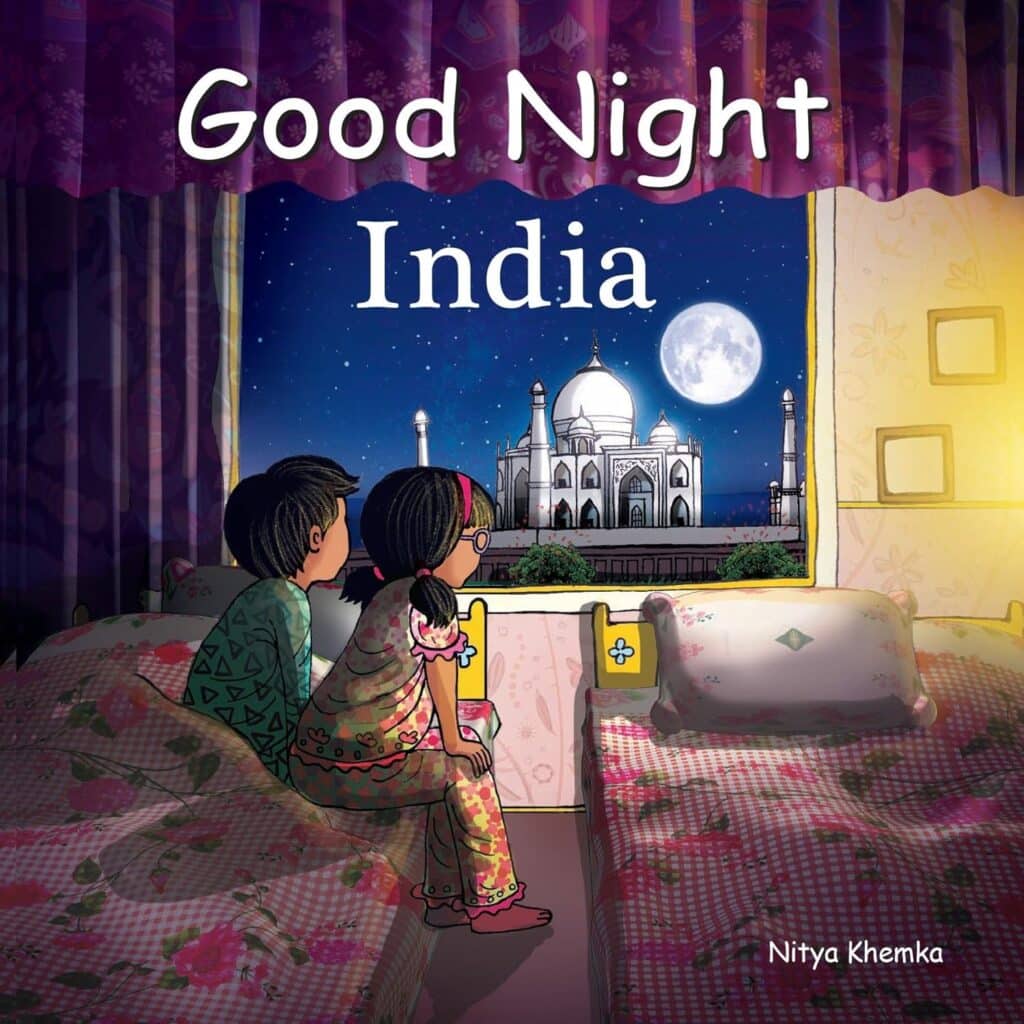
Good Night India (Good Night Our World) (Nitya Khemka)
This board book is part of the “Good Night Our World” series and takes young readers on an educational tour of India. It highlights the country’s natural and cultural wonders. It helps
36. Poornamrith — Full of Nectar
Poornamrith (पूर्णामृत) combines purna (complete/full) and amrit (nectar, immortality). It means “full of nectar” or “abundant with sweetness.” The name represents vitality and immortality.
37. Poornan — Complete
Poornan (पूर्णन्) is another form of purna, meaning “complete” or “full.” It carries the same sense of wholeness and satisfaction. A simple, traditional choice.
38. Poornanand — Complete Joy
Poornanand (पूर्णानन्द) joins purna (complete) and ananda (joy, bliss). It means “complete joy” or “perfect happiness.” This name conveys a life filled with contentment.
39. Poornapragna — Complete Knowledge
Poornapragna (पूर्णप्रज्ञ) combines purna (complete) and prajna (wisdom, intellect). It means “one with complete wisdom.” The name suggests intelligence and deep understanding.
40. Poornendu — Full Moon
Poornendu (पूर्णेन्दु) comes from purna (complete) and indu (moon). It means “full moon,” symbolizing brightness, serenity, and beauty. It is a popular poetic name.
41. Poorvans — Of the East / Ancient Moon
Poorvans (पूर्वांश) means “descendant of the east” or “part of the east.” Some traditions also link it to “moon of the east.” It emphasizes ancestry and direction.
42. Pooshan — Nourisher, Protector
Pooshan (पुषण) is one of the Vedic deities, associated with prosperity, protection, and safe journeys. As a name, it signifies nourishment, care, and guidance.
43. Poovan — Flower / Purifier
Poovan (பூவன் in Tamil) means “flower” or “fragrance.” In some traditions, it also connects with “wind” or “purifier.” It’s a simple, nature-inspired name.
44. Poovannan — Lord of Flowers
Poovannan (பூவண்ணன் in Tamil) means “one who rules over flowers” or “forest of flowers.” It conveys beauty, abundance, and connection with nature.
45. Poovendan — Leader of Flowers
Poovendan (பூவேந்தன் in Tamil) translates as “king of flowers” (poo = flower, endan = leader/king). It is a poetic Tamil name symbolizing grace, leadership, and natural beauty.

The Illustrated Ramayana for Children (Shubha Vilas)
This illustrated children’s book is a retelling of the classic Hindu epic, the Ramayana. It teaches young readers about values like love, friendship, and the triumph of good over evil.
46. Poojay — Respected, Honored
Poojay (पूजय) comes from the Sanskrit root puj (to worship). It means “respected” or “honored.” The name emphasizes reverence and dignity.
47. Poojith — Worshipped, Revered
Poojith (पूजित) means “worshipped” or “revered.” It is a widely used boy’s name in India, symbolizing respect and devotion. The name reflects spiritual values and honor.
48. Pooja — Prayer, Worship
Pooja (पूजा) means “prayer” or “ritual of worship.” Traditionally feminine, it is occasionally adapted for boys or used as a middle name. The name highlights devotion and spirituality.
49. Poornima — Full Moon Day
Poornima (पूर्णिमा) means “full moon” and refers to the sacred full moon day in the Hindu calendar. While often a girl’s name, it can be used symbolically for boys. It conveys brightness, serenity, and auspiciousness.
50. Poornesh — Lord of Completeness
Poornesh (पूर्णेश) combines purna (complete, whole) and īśa (lord), meaning “lord of completeness.” The name represents balance, fulfillment, and leadership.

Baby’s First Diwali (Baby’s First Holidays) (DK)
This is an Indian baby board book that introduces young children to the festival of Diwali. It uses bright and colorful pictures and simple texts to teach about the “festival of light,” including diya lamps and rangoli decorations.
51. Poornav — Fulfilled, Complete
Poornav (पूर्णव) comes from purna (complete) and means “fulfilled” or “whole.” It reflects contentment and harmony. A modern variation on traditional Sanskrit roots.
52. Poorthiman — Full of Completeness
Poorthiman (पूर्णिमान) combines purna (complete) with man (possessing), meaning “one who is full of completeness.” The name conveys abundance and fulfillment.
53. Poobalan — King of Flowers
Poobalan (பூபாலன் in Tamil) means “king of flowers.” It is a Tamil-origin name that symbolizes beauty, leadership, and grace.
54. Poonguzhalan — One with Beautiful Hair
Poonguzhalan (பூங்குழலன் in Tamil) literally means “one with beautiful curly hair.” A poetic Tamil name, it is often associated with Lord Murugan.
55. Poongodi — Flowering Creeper
Poongodi (பூங்கொடி in Tamil) means “flowering creeper” or “flowering vine.” Though more commonly used for girls, some families adapt it for boys. It emphasizes growth and natural beauty.
56. Poosari — Priest
Poosari (பூசாரி in Tamil) means “priest,” especially a temple priest. The name reflects service, devotion, and religious dedication.
More Indian Baby Boy Names That Start With P
Beyond names that begin with “Poo,” there are many other beautiful Indian boy names starting with the letter P. Here are some meaningful options that parents often love.
1. Pranav — Sacred Syllable Om
Pranav (प्रणव) is derived from Sanskrit and refers to the sacred sound “Om.” It is one of the most spiritually significant names in Hindu tradition, symbolizing creation and divine energy.
2. Pranay — Love, Affection
Pranay (प्रणय) comes from Sanskrit and means “affection,” “friendship,” or “love.” It conveys warmth and deep connection, making it a popular modern choice.
3. Parth — Prince, Charioteer
Parth (पार्थ) is another name for Arjuna from the Mahabharata. It means “prince” or “charioteer” and symbolizes courage, focus, and righteousness.
4. Parthiv — Earthly, Related to the Earth
Parthiv (पार्थिव) means “earthly” or “of the earth.” It emphasizes groundedness and humility. The name is also associated with King Prithviraj Chauhan, a historic ruler.
5. Pratyush — Sunrise, Dawn
Pratyush (प्रत्युष) comes from Sanskrit and means “dawn” or “sunrise.” It symbolizes hope, light, and new beginnings. The name carries a positive, uplifting quality.
6. Piyush — Nectar, Sweetness
Piyush (पियूष) is derived from Sanskrit amrita and translates to “nectar” or “elixir.” It represents purity, immortality, and sweetness, often associated with divine blessings.
7. Pradeep — Lamp, Light
Pradeep (प्रदीप) means “lamp” or “source of light” in Sanskrit. It conveys brightness, knowledge, and guidance, often linked with wisdom and clarity.
8. Pushkar — Blue Lotus, Sacred Lake
Pushkar (पुष्कर) has dual meanings: “blue lotus” in Sanskrit and the name of a holy town in Rajasthan famous for its sacred lake and temples. The name symbolizes purity, spirituality, and pilgrimage.
9. Pankaj — Lotus, Mud-Born
Pankaj (पंकज) is a compound of pank (mud) and ja (born), literally “born in the mud.” It refers to the lotus flower, which rises beautifully from muddy waters, symbolizing purity and resilience.
10. Prithvi — Earth, World
Prithvi (पृथ्वी) means “earth” in Sanskrit and is personified as the Earth Goddess in Hindu mythology. The name emphasizes strength, stability, and nurturing qualities.
11. Paramatma — Supreme Spirit
Paramatma (परमात्मा) combines parama (supreme) and atman (soul), meaning “supreme spirit” or “ultimate soul.” It is a deeply philosophical name used in spiritual contexts.
12. Pavi — Pure, Holy, Beloved
Pavi (पवि) is a unisex name derived from Sanskrit, meaning “pure,” “holy,” or “beloved.” Though more common for girls, it can be used for boys as well. The name emphasizes innocence and cherished qualities.
13. Padmesh — King of Lotuses
Padmesh (पद्मेश) combines padma (lotus) and īśa (lord/king), meaning “king of lotuses.” It is another name for Lord Vishnu and symbolizes purity, beauty, and divinity.
Each of these first names have significant meanings and could be a great choice for parents looking for cultural name for their baby boy.
Common Middle Names in Indian Culture
In Indian and Hindu traditions, middle names are not as common as they are in Western cultures. However, certain names are frequently used across regions and communities, often carrying cultural, religious, or symbolic significance. Here are some of the most popular choices for boys:
1. Kumar — Prince
Kumar (कुमार) is one of the most widely used middle names for Indian boys. It means “prince” in Sanskrit and conveys youth, nobility, and charm.
2. Singh — Lion
Singh (सिंह) means “lion” in Sanskrit and Punjabi. It is most often used by Sikh families, symbolizing strength, bravery, and courage.
3. Raj — King, Rule
Raj (राज) means “king” or “rule” in Sanskrit. It is a short, strong name often used as both a middle and last name, reflecting authority and leadership.
4. Dev — God, Divine
Dev (देव) means “god” or “divine” in Sanskrit. It is a simple, timeless choice that conveys spirituality and reverence.
5. Prasad — Offering, Blessing
Prasad (प्रसाद) means “offering” or “blessing,” often in the context of food or gifts offered to deities in worship. As a name, it symbolizes gratitude and divine favor.
6. Mohan — Charming, Enchanting
Mohan (मोहन) means “charming” or “enchanting” in Sanskrit. It is also one of the names of Lord Krishna, making it a devotional and endearing choice.
7. Anand — Bliss, Happiness
Anand (आनन्द) translates to “bliss” or “joy.” It conveys a sense of contentment and inner peace, making it a popular middle name with positive connotations.
Frequently Asked Questions About “Poo” Names
In Indian and Hindu culture, names beginning with “Poo” are not rare at all — they are rooted in Sanskrit and often connected with concepts of worship (puja), purity (purna), or the east (purva). Names like Poojan, Poojit, and Poornam are well recognized and meaningful. However, outside of India, they may feel unique or uncommon, which makes them stand out internationally.
Most “Poo” names come from Sanskrit roots and carry deep symbolic meanings. Common themes include:
– Spiritual devotion (Poojan, Poojit)
– Completeness and wholeness (Poorna, Poornam)
– New beginnings, the east, and sunrise (Poorv, Poorvansh)
These names often reflect positive qualities like reverence, purity, and hope.
Yes. While this article highlights boy names, there are also many “Poo” names used for girls, such as Pooja (“worship”) and Poornima (“full moon day”). The syllable Poo itself is unisex — what matters is the full name and its meaning.
If you’d like to explore beyond “Poo” names, here are some of the most popular Indian boy names:
Aarav (आरव): Peaceful, calm
Advait (अद्वैत): Unique, non-dual
Akash (आकाश): Sky
Arjun (अर्जुन): Bright, shining; hero of the Mahabharata
Krish (कृष): Short form of Krishna, meaning dark or black
Rohit (रोहित): Red, sunrise
Sanjay (संजय): Victorious, triumphant
Siddharth (सिद्धार्थ): One who has achieved enlightenment (Buddha’s birth name)
Varun (वरुण): God of water
Vikram (विक्रम): Valor, courage, power
In Indian languages, the “Poo” syllable is pronounced like “poo” in pool, not like the English slang word. For example:
Poojan → “poo-jun”
Poojit → “poo-jeet”
Poornam → “poor-num”
Poorv → “poo-rv”
Not always. Middle names are less common in India than in Western cultures. Instead, many children have a given name + family name structure, or they may carry a religious or ancestral suffix such as Kumar, Singh, Raj, Dev, or Anand.
As a mom of three, I know what a daunting task it can to choose a name for your new snuggly little boy. After all, they’ll carry this name for the rest of their life, and it’s worthy of your time and consideration.
I hope this list of the most popular baby boy names that start with “poo” will be helpful to you as you search for the perfect baby name for your child.
I’m sending all of my best wishes for health and happiness to you and your precious new addition.
Related posts:
- Baby Girl Names Starting With Poo
- Baby Boy Names Starting With Dho
- Japanese Baby Names That Mean Light
- Powerful Baby Boy Names

Calie Herbst, Editor-in-Chief of Milwaukee With Kids, has spent over a decade combining her experiences as a parent of three to create a hub for Milwaukee’s family adventures.
Her decade-long teaching career in Milwaukee Public Schools and academic background, including a Master’s in Teaching from Marquette University and dual B.A.s in Sociology and Spanish from the University of Wisconsin – Madison, fuel her passion for inclusive and engaging family content.
Calie is also a recognized voice in local media, contributing to WISN Channel 12 News, WTMJ Wisconsin Morning News, Fox 6’s Real Milwaukee, and B93.3.
Discover more about Calie’s journey and editorial approach on her About Page and Editorial Policy Page.