Every kid is a natural scientist, and first grade is a great time to start diving deeper into the world of science.
Whether you’re looking to fill up your home library, or planning your first grade science curriculum, you’re in the right place.
There are so many great books to help inspire a love of science, and we rounded up the best ones we could find.
💡 Looking for more book recommendations across all ages and interests? Explore our full Books for Kids guide.
Here are the essential first grade science books, all in one place:
Quick Picks: Best Science Books for 1st Graders
- Best Overall: Little Kids First Big Book of Science
- Best for Curiosity: Ada Twist, Scientist
- Best for Nature Lovers: The Magic & Mystery of Trees
- Best for Early STEM: How to Code a Sandcastle
- Best for Hands-On Learning: Awesome Science Experiments for Kids
Best Overall First Grade Science Books
These books give young learners a solid foundation in science, covering a wide mix of topics in age-appropriate, engaging ways. They’re great starting points whether you’re building a home library or planning curriculum.
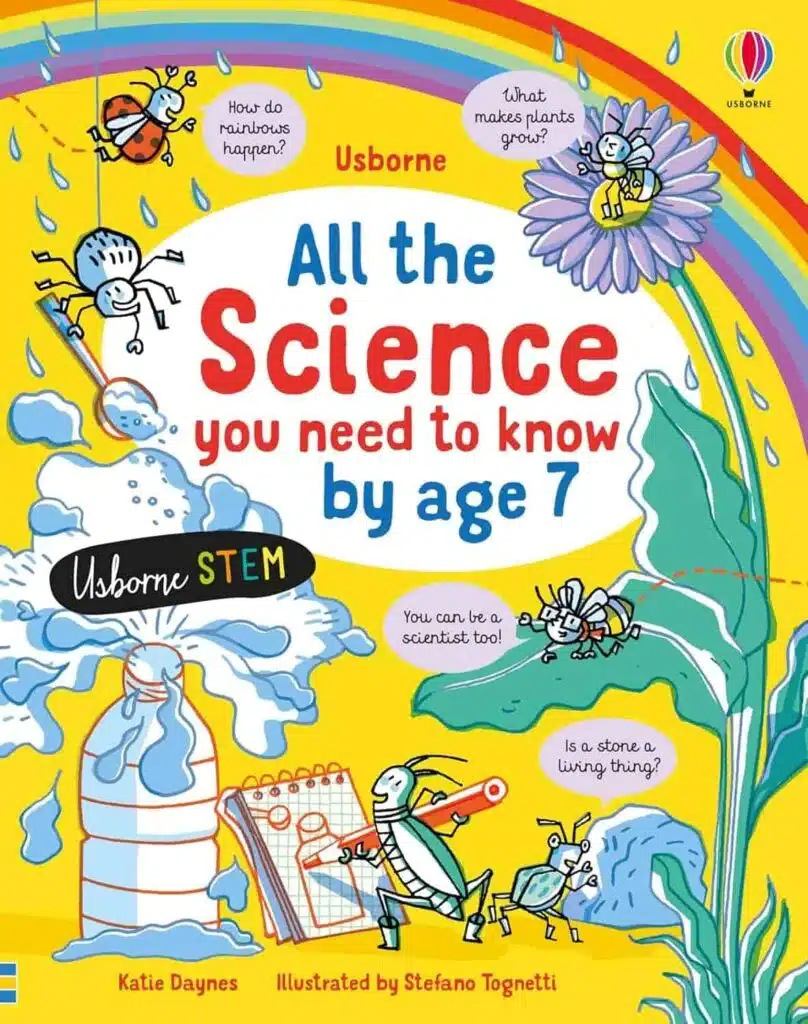
All the Science You Need to Know Before Age 7 (Katie Daynes)
This colorful Usborne book explores plants and animals, magnets and mirrors through beautiful illustrations, hands-on experiments, and suggestions for curated websites and videos.
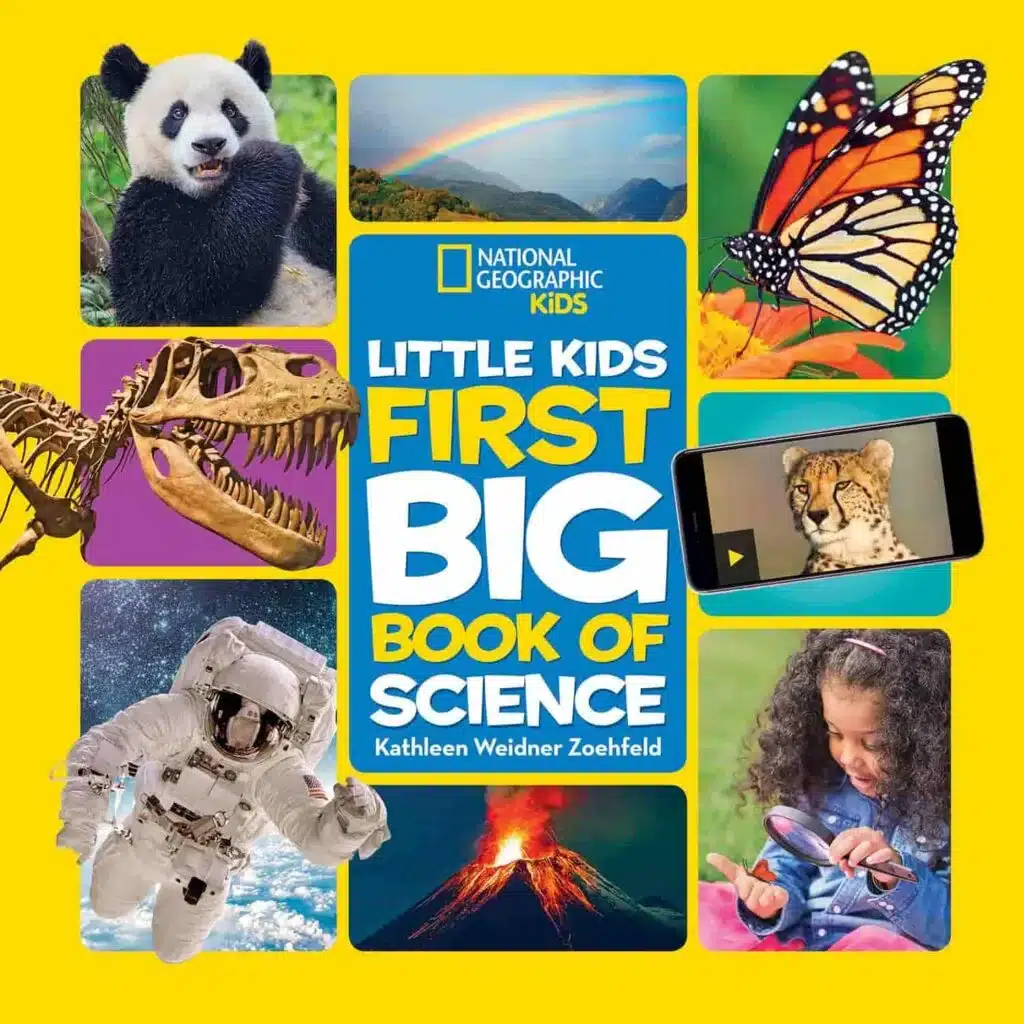
National Geographic: Little Kids First Big Book of Science (Kathleen Zoehfeld)
This lively book covers a broad range of science topics—animals, plants, oceans, space, and more—with bright images and fun activities that foster exploration and learning in young kids
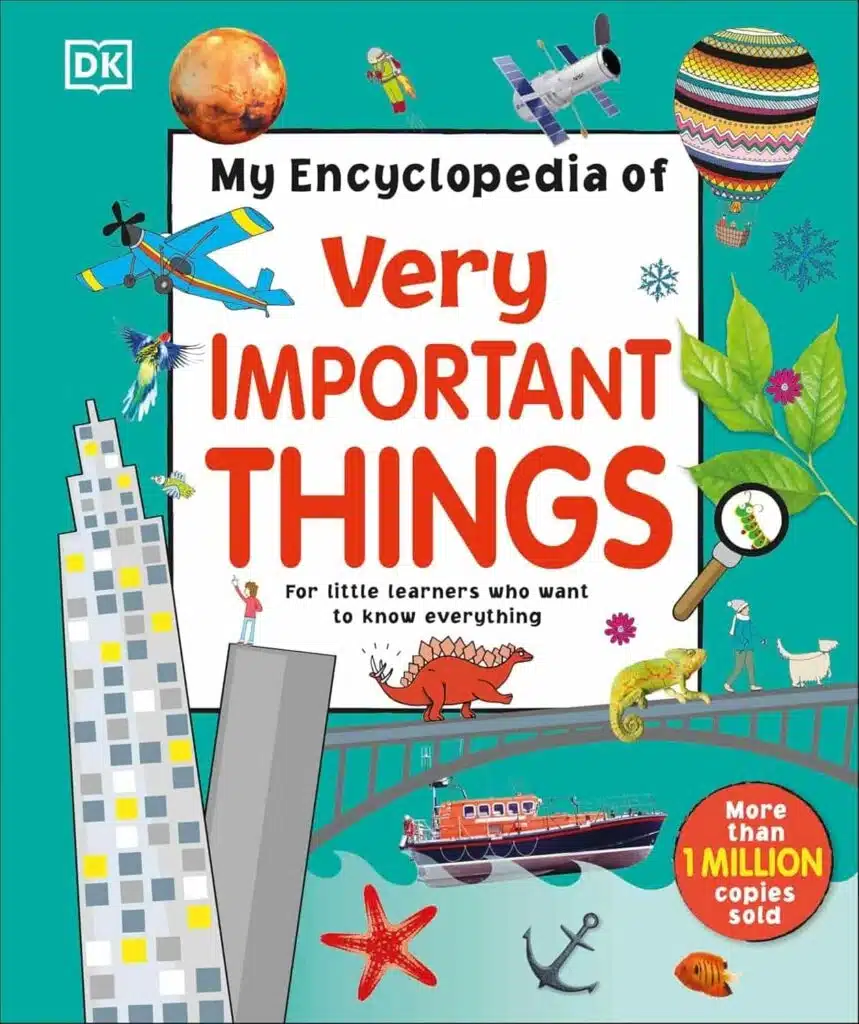
My Encyclopedia of Very Important Things (DK)
This charming children’s encyclopedia gives your child fun facts and colorful illustrations about the world, animals, people, planets, earth science, and more! It’s geared towards kids ages 5-9.
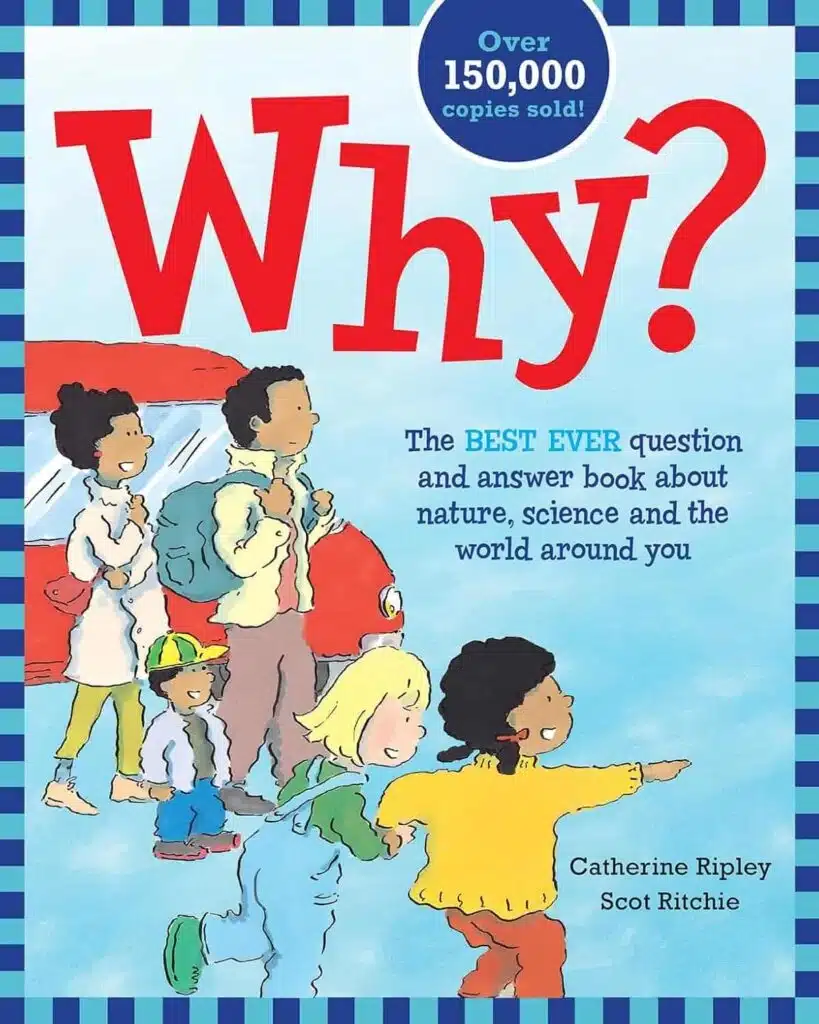
Why? The Best Ever Question Book
The tenth anniversary edition of Why? provides child-friendly explanations for nearly 100 of these everyday mysteries for a whole new generation of children. Why? takes young readers inside the kitchen and out to the park, from the farm to the supermarket, and from bathtime to bedtime.
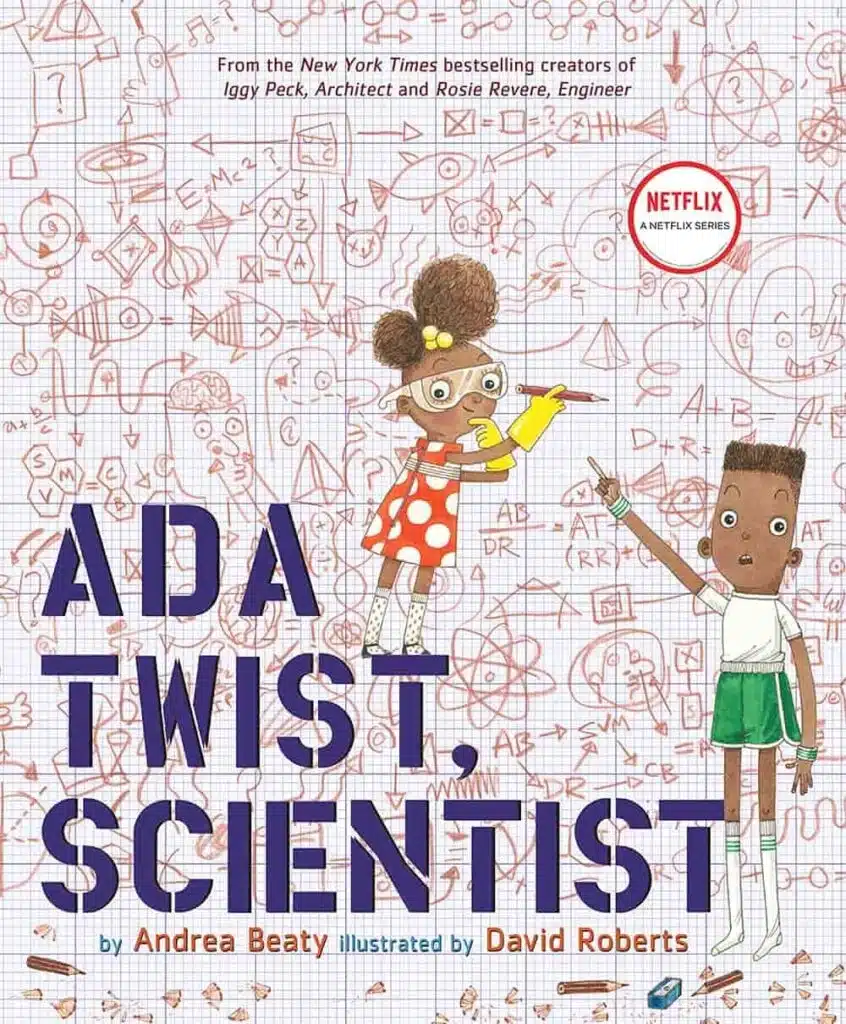
Ada Twist, Scientist (The Questioneers) (Andrea Beaty)
This story encourages curiosity, perseverance, and STEM learning through Ada’s adventurous questions and experiments, inspiring kids to ask “Why?” and explore the world around them.
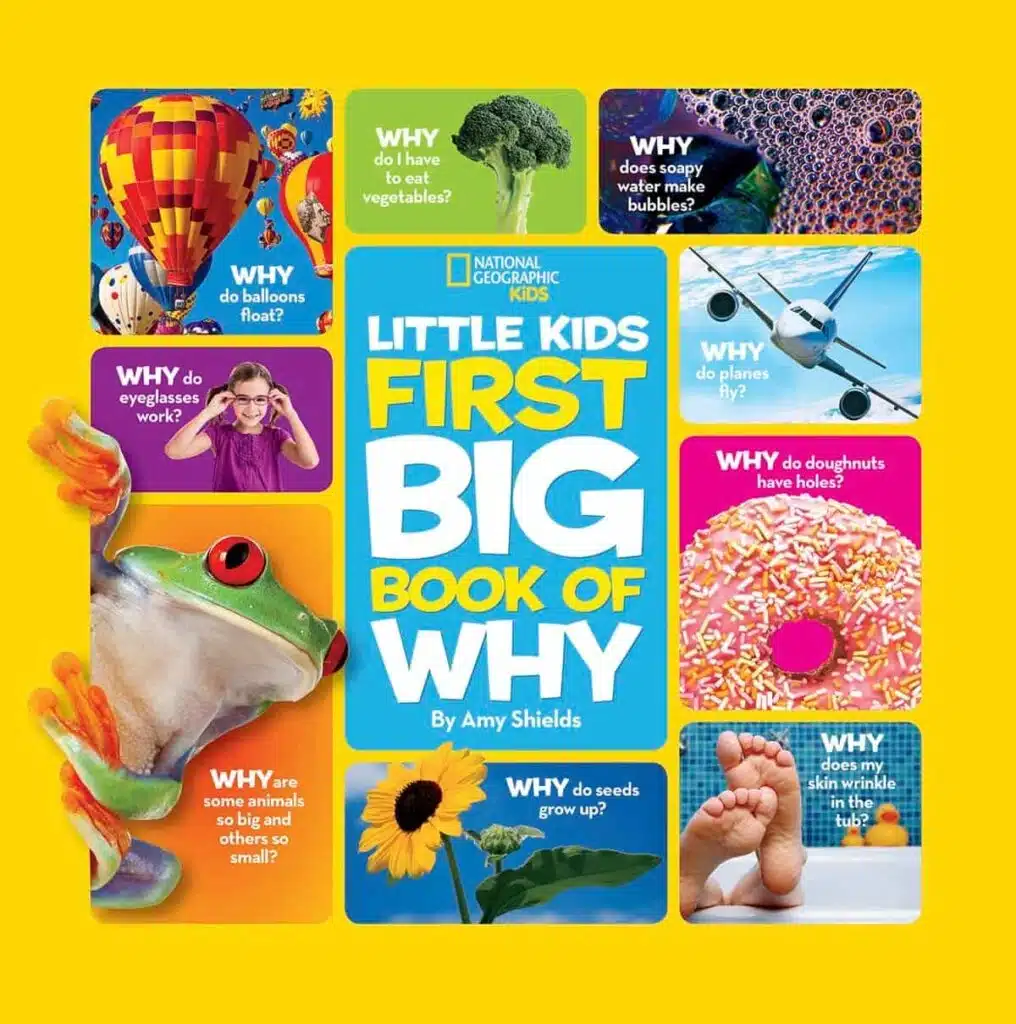
National Geographic Little Kids First Big Book of Why (Amy Shields)
Answers many common “why” questions with photos, games, and crafts, encouraging curiosity and hands-on learning about everyday science.
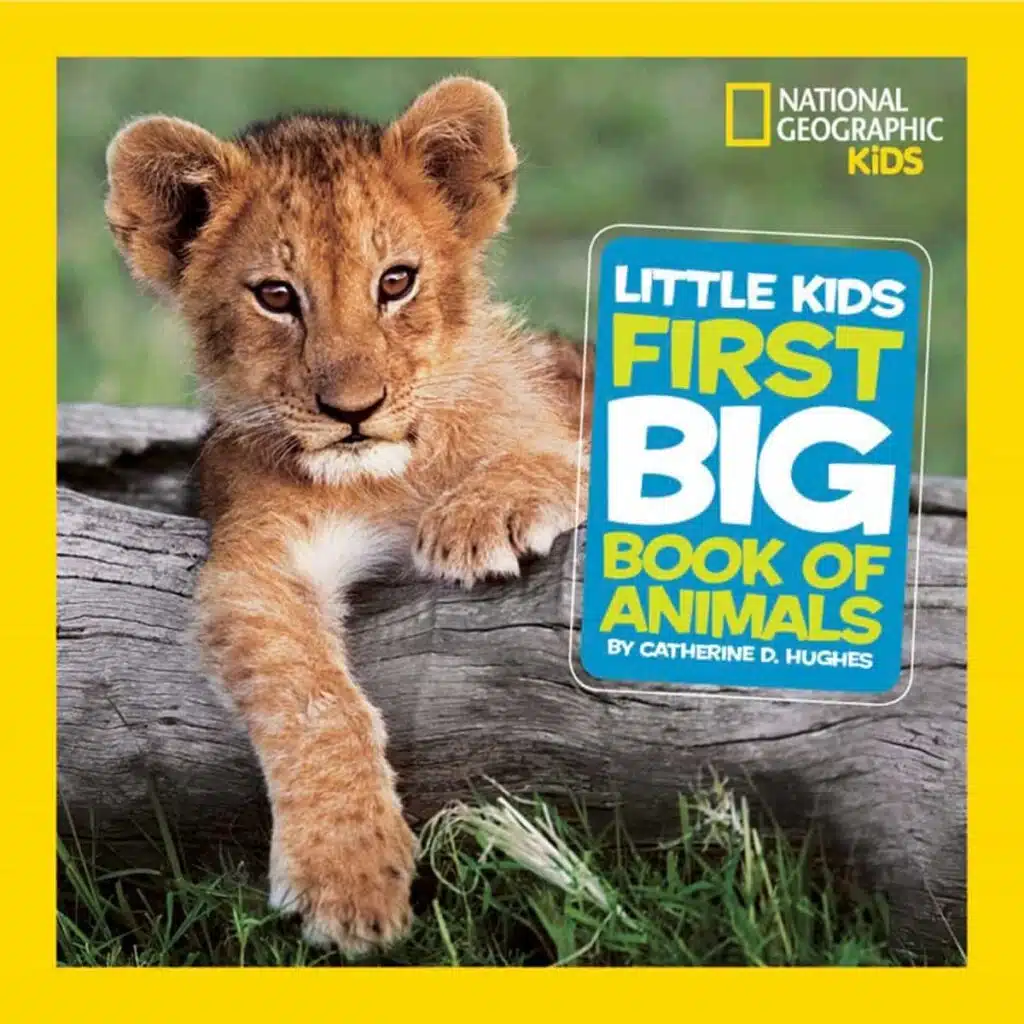
National Geographic First Big Book of Animals
The National Geographic Little Kids First Big Book of Animals is an adorable animal reference filled with fluffy and scaly creatures, big and small.
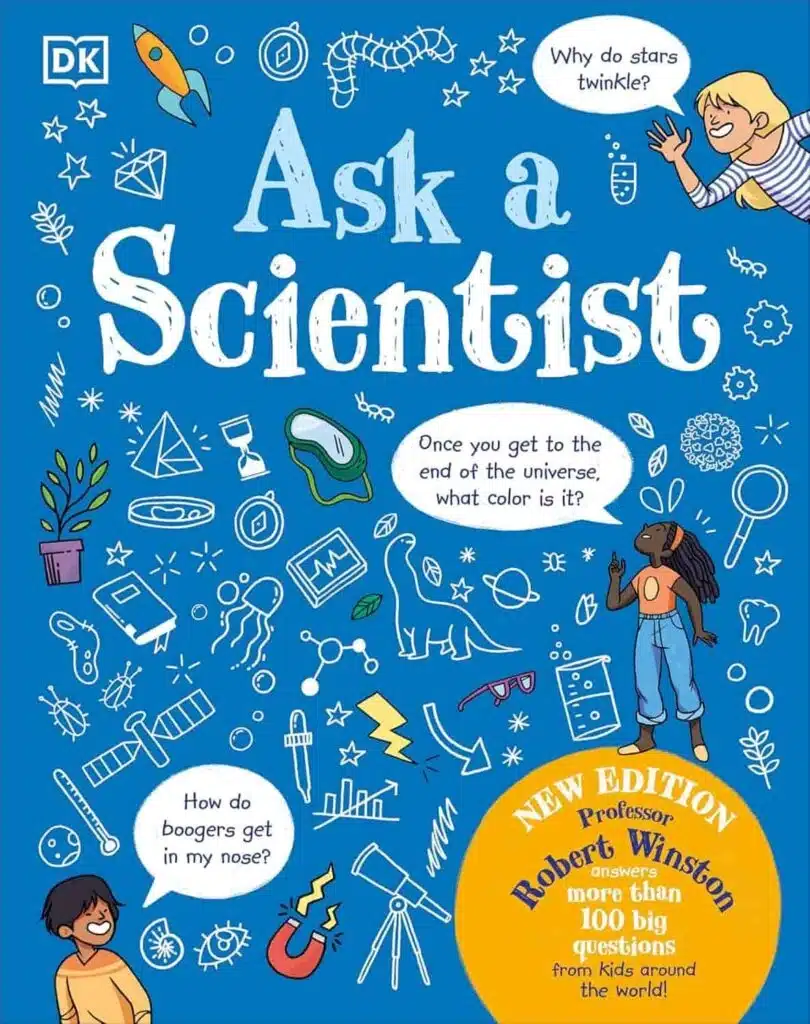
Ask a Scientist (Robert Winston)
This fun and friendly science book for kids poses 100 real-life questions from kids to Robert Winston on every aspect of science.
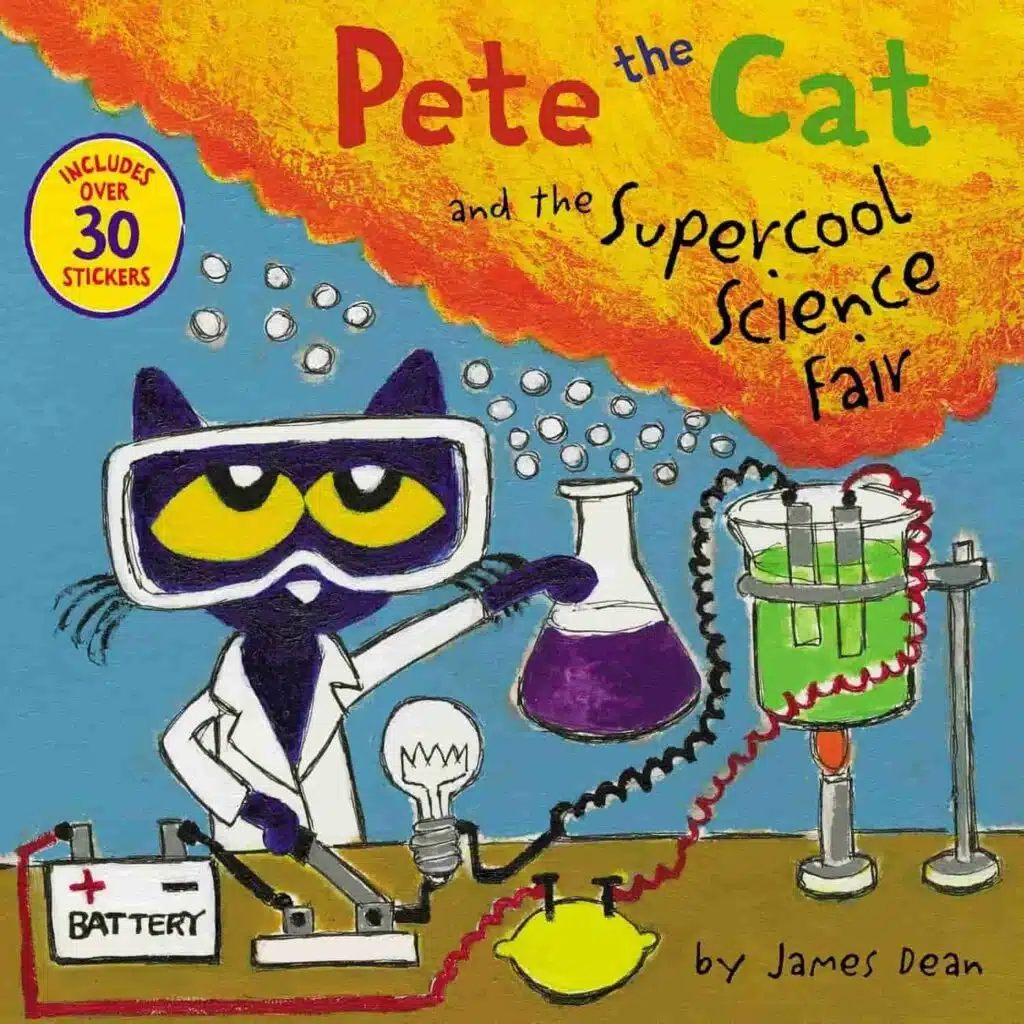
Pete the Cat, and the Supercool Science Fair (James Dean)
A fun story about participating in a science fair that teaches kids about scientific experiments and teamwork in an entertaining way.
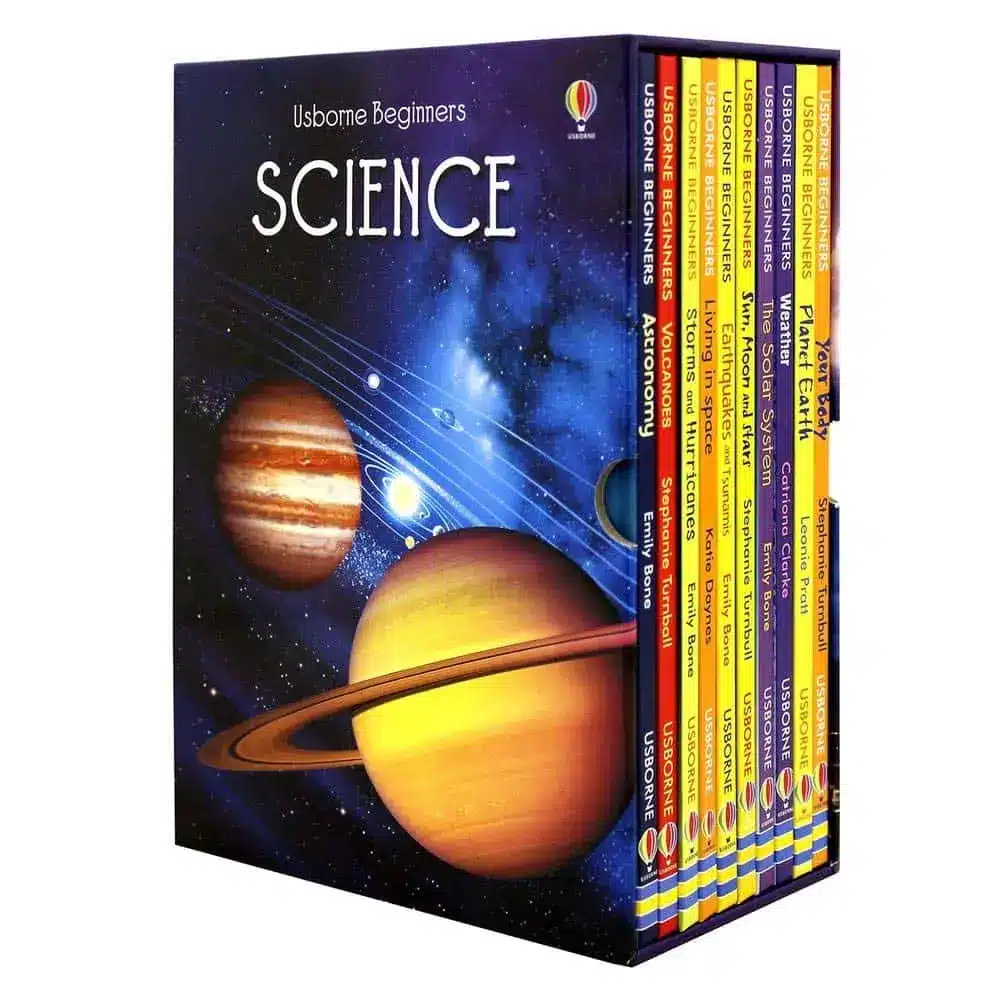
Usborne Beginners Science (Emily Bone)
This collection introduces beginner-friendly science topics such as earthquakes, space, weather, and the human body with clear explanations and vivid illustrations, supporting kids’ real-world science understanding.
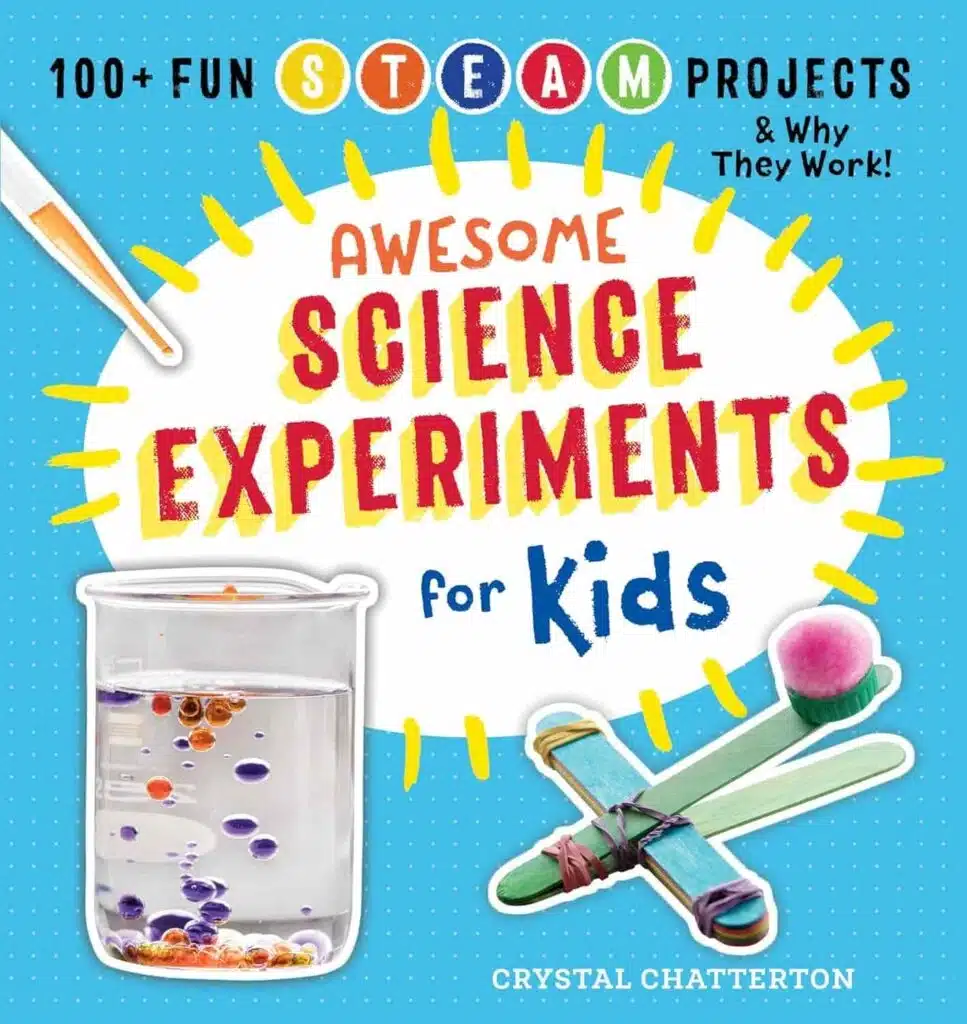
Awesome Science Experiments for Kids (Crystal Chatterton)
From learning how quicksand works to turning a lemon into a battery, these experiments teach budding STEM kids that it’s cool to be curious.
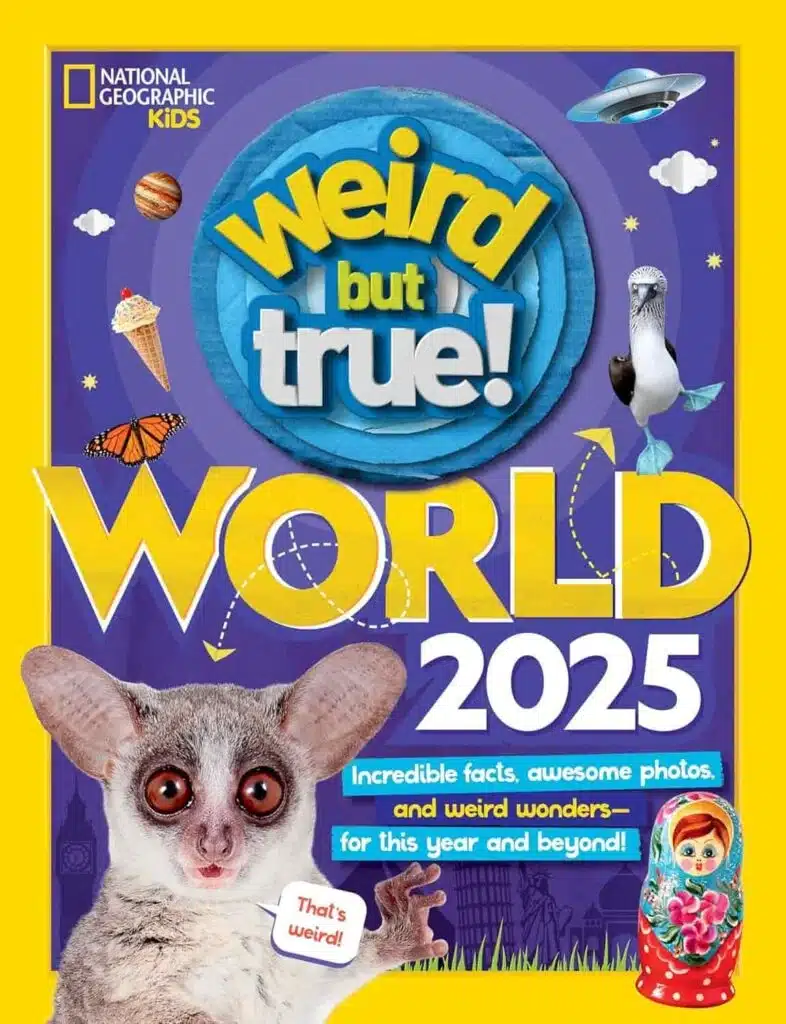
Weird But True! (National Geographic Kids)
At last, all those weird but true facts that kids love so much are collected in this fun-tastic set of three compact, easy-to-handle and fun to browse books.
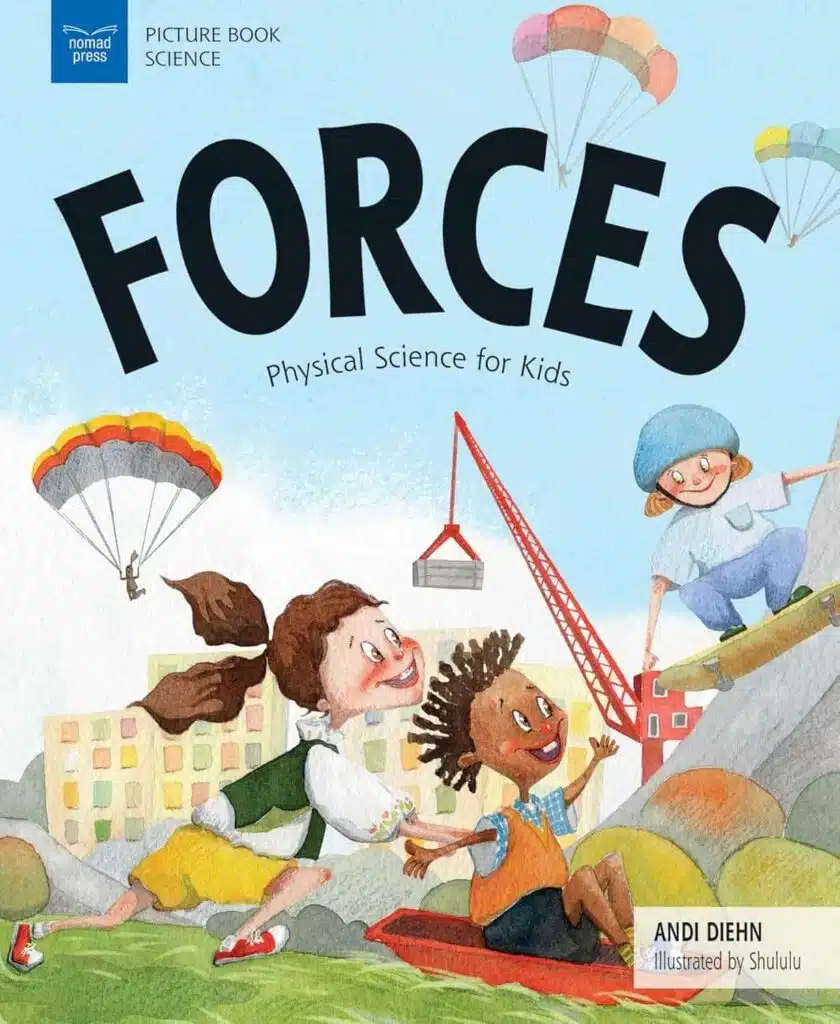
Forces: Physical Science for Kids (Andi Diehn)
In Forces: Physical Science for Kids, kids ages 5 to 8 are encouraged to observe and consider the different forces they encounter on a daily basis. This book is perfect for beginner readers or as a read-aloud nonfiction picture book.
Best STEM & Coding Books
These stories and nonfiction picks introduce early STEM concepts—engineering, problem-solving, coding, and hands-on exploration—at a level that clicks with 6- and 7-year-olds.
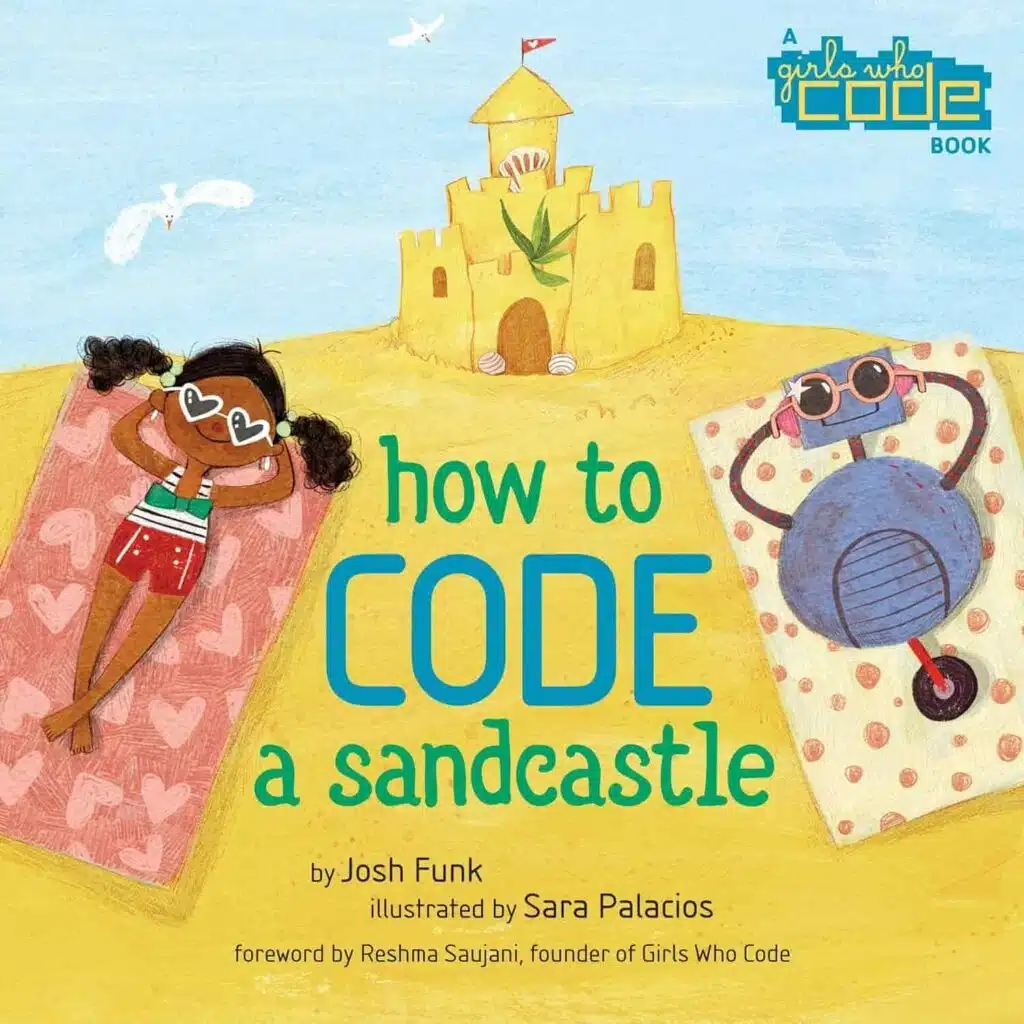
How to Code a Sandcastle (Josh Funk)
This lively and funny book introduces kids to computer coding concepts. Pearl uses coding concepts like sequences and loops to build the perfect sandcastle.
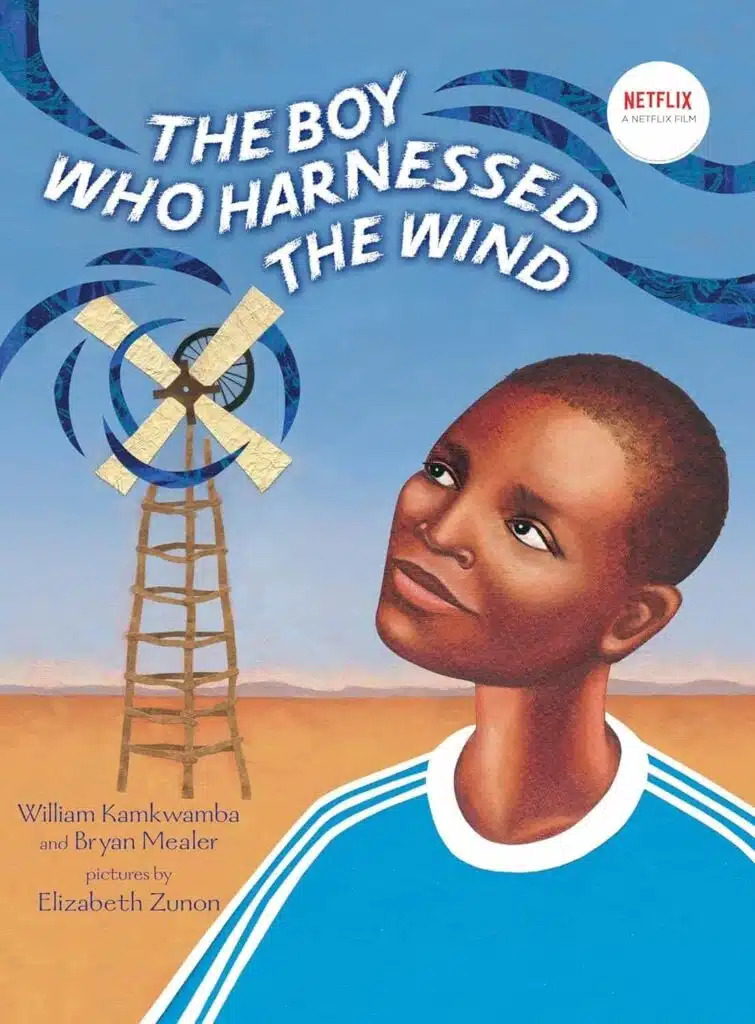
The Boy Who Harnessed the Wind – Picture Book Edition (William Kamkwamba)
This inspiring true story shows how creativity and problem-solving can change the world, teaching kids about innovation and perseverance.
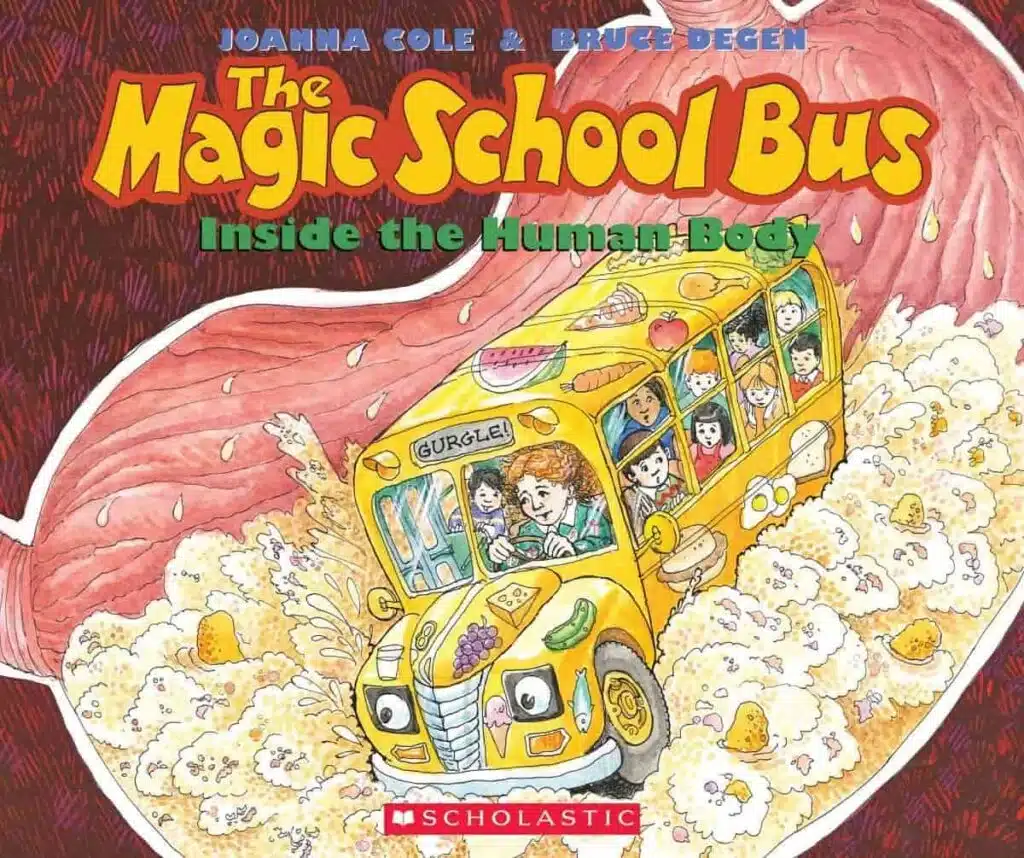
The Magic School Bus Inside the Human Body (Joanna Cole)
Kids join a magical journey inside the human body to learn about organs and bodily functions, making complex biology fun and accessible through storytelling and imaginative exploration.
Best Nature & Earth Science Books for 1st Graders
Perfect for kids who love the outdoors, these books explore plants, trees, ecosystems, weather, water, and the world beneath our feet. They help young readers understand how the natural world works.
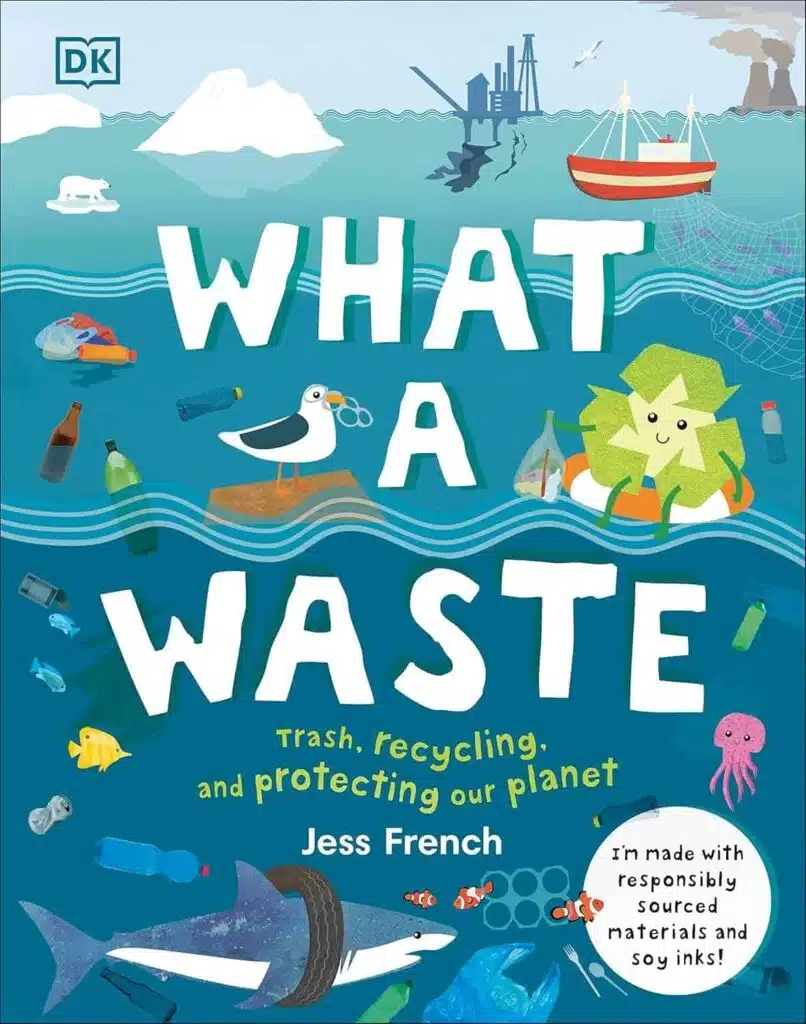
What a Waste (Jess French)
This educational book will increase your child’s understanding of how our actions affect planet Earth and the big impact we can make by the little things we do.
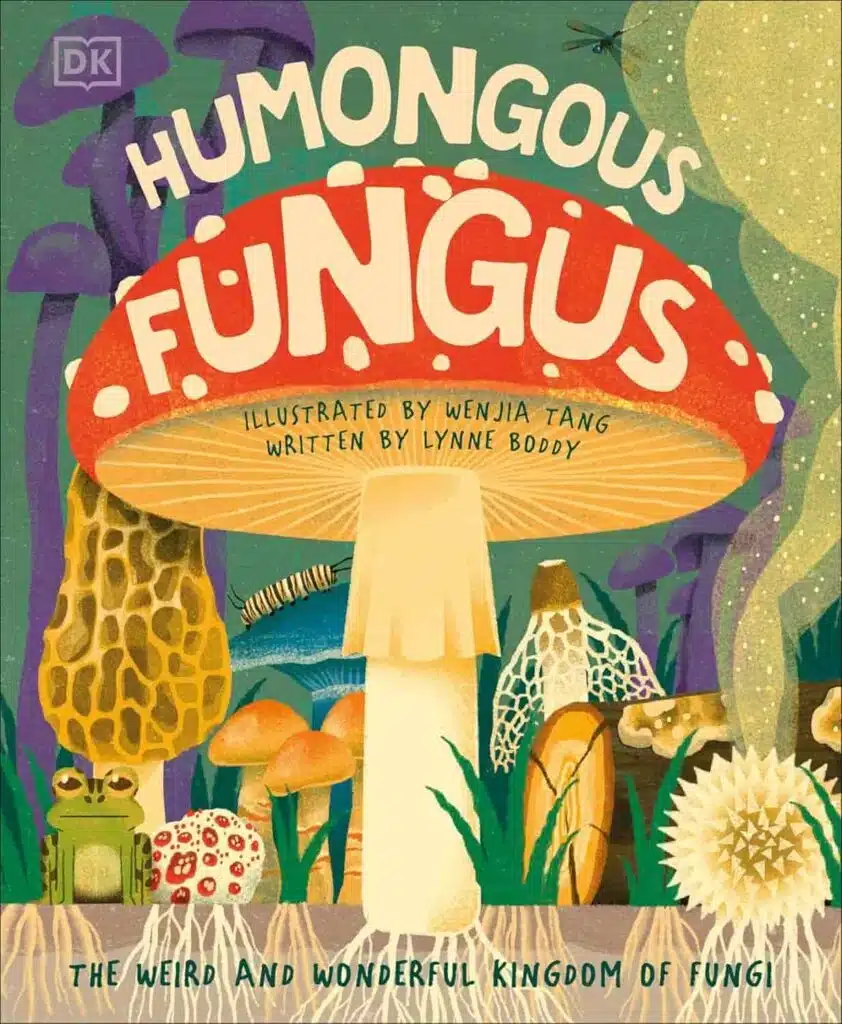
Humongous Fungus (DK)
Your child will discover how fungi are important for the ecosystem, how they provide food for plants and animals, how they can make medicine for humans, how they can destroy crops, and more.
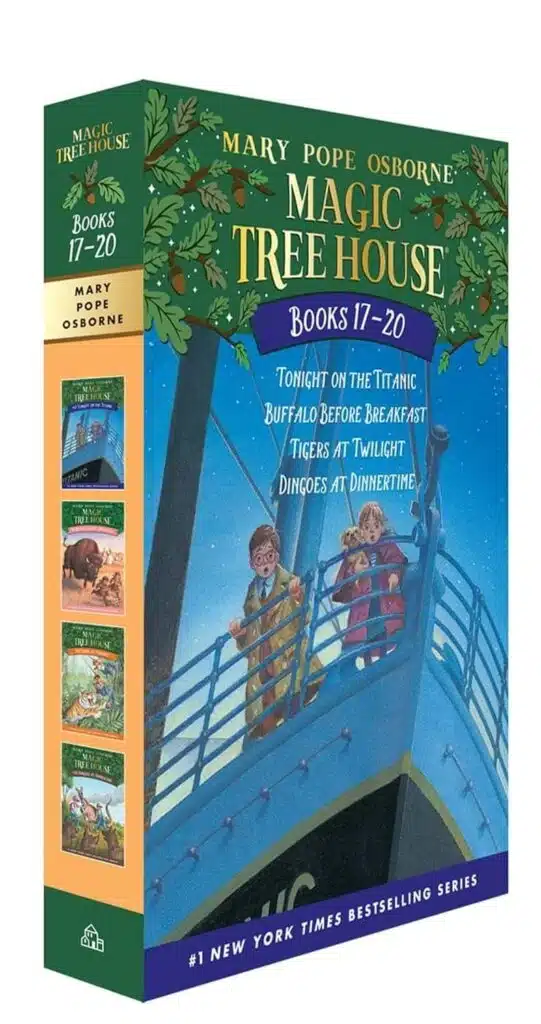
The Magic & Mystery of Trees (Mary Pope Osborne)
The Magic & Mystery of Trees is a nature book that takes children on a journey of exploration, showing them just how special these mighty organisms are.
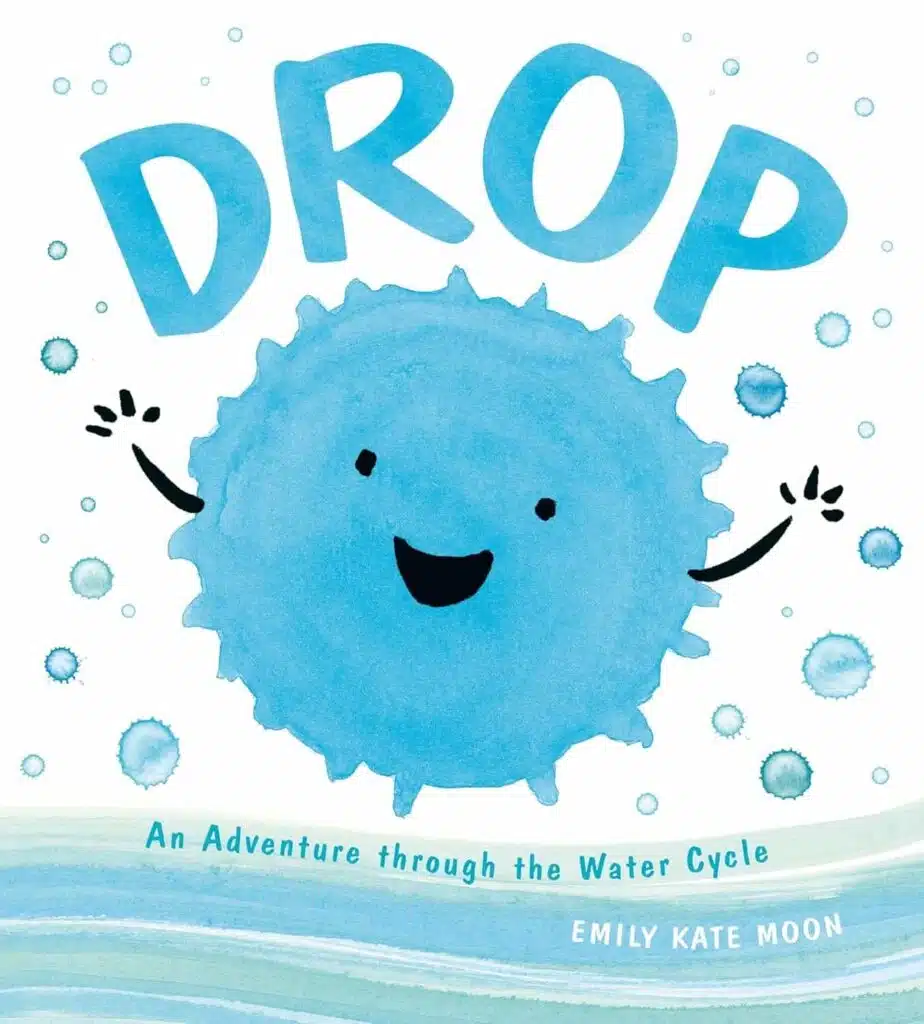
Drop: An Adventure Through the Water (Emily Kate Moon)
Follows water’s journey through the cycle, blending humor and facts to teach kids about water’s vital role on Earth in a fun way.
Best Animal Science Books
These titles dive into animal behavior, habitats, and ecosystems with bright visuals and kid-friendly explanations. Great for animal lovers and curious young scientists alike.
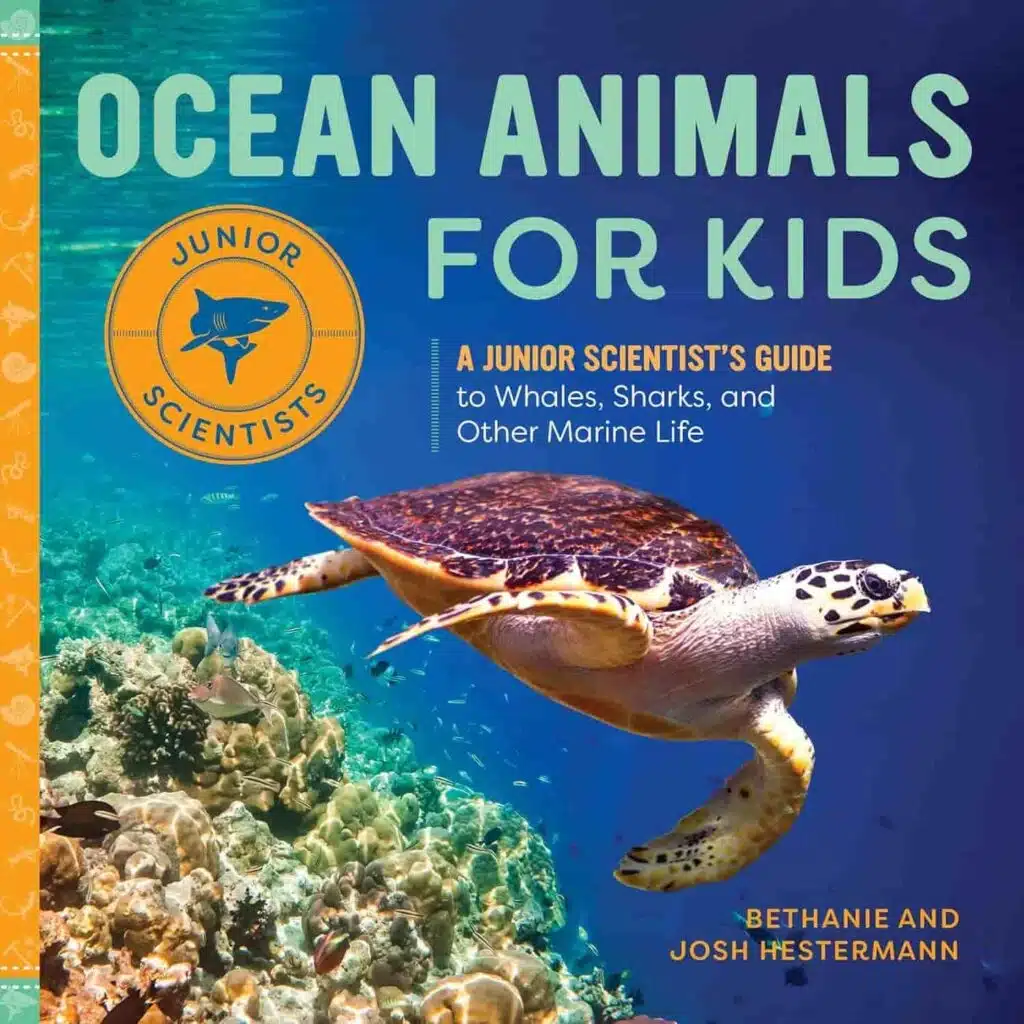
Ocean Animals for Kids
The Junior Scientists series is perfect for kids ages 6-9, and this book explores the world under the waves, mammals, birds, fish, and reptiles.
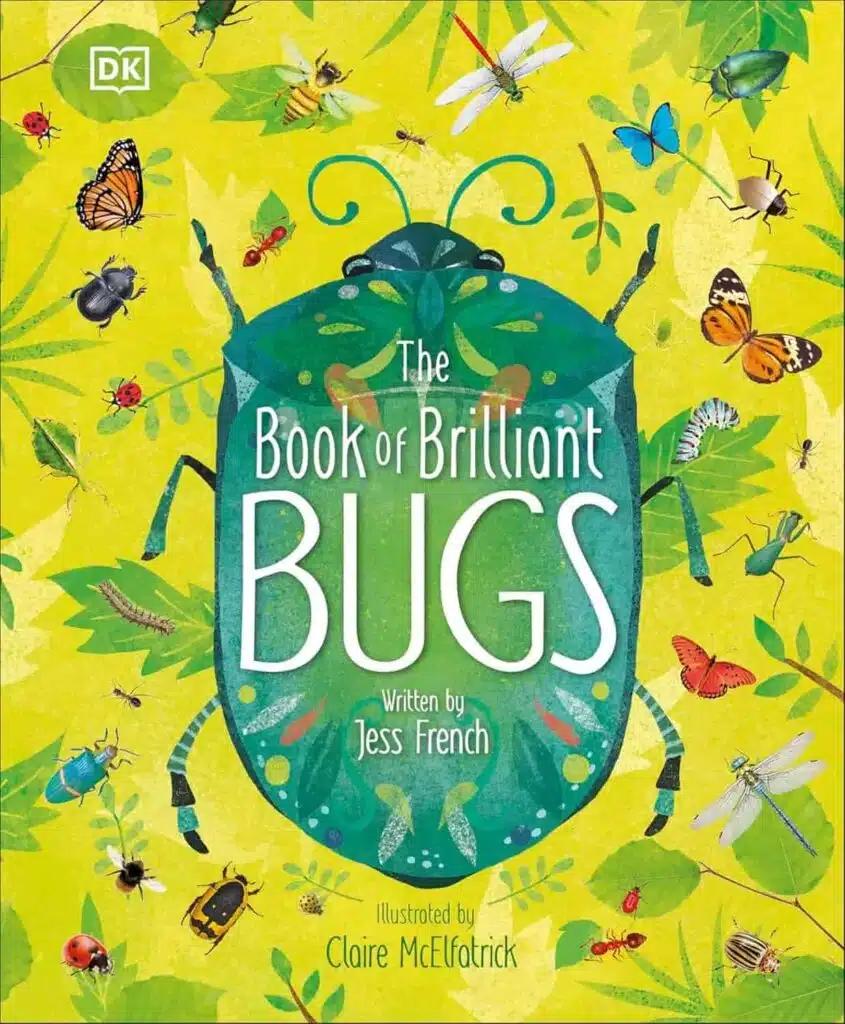
The Book of Brilliant Bugs (Jess French)
Explores the fascinating world of insects and related creatures, teaching kids about their roles in ecosystems with vivid illustrations and engaging facts.
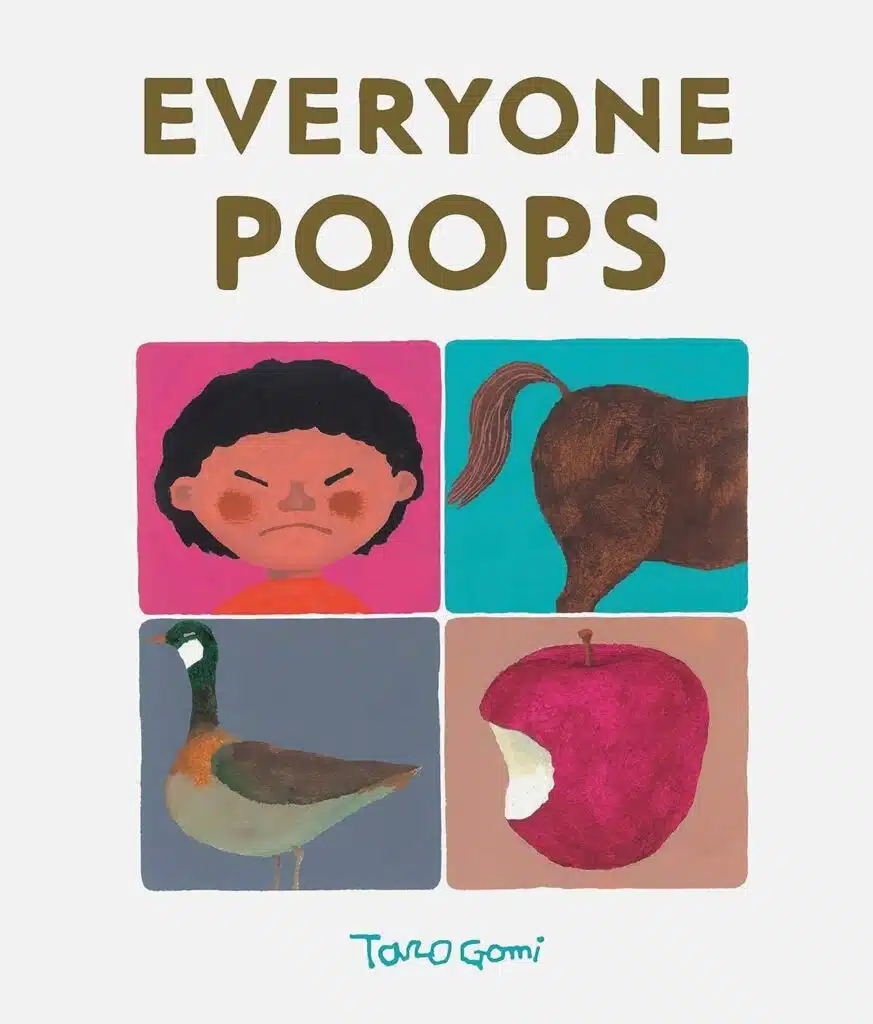
Everyone Poops (Taro Gomi)
Taro Gomi’s classic, go-to picture book for straight-talk on all things “number 2” is a matter-of-fact, educational guide and a hilarious romp through poop territory.
Best Astronomy & Space Books for 1st Graders
These space-themed books introduce planets, space exploration, and the wonders of the universe in a way that’s exciting and understandable for early readers.
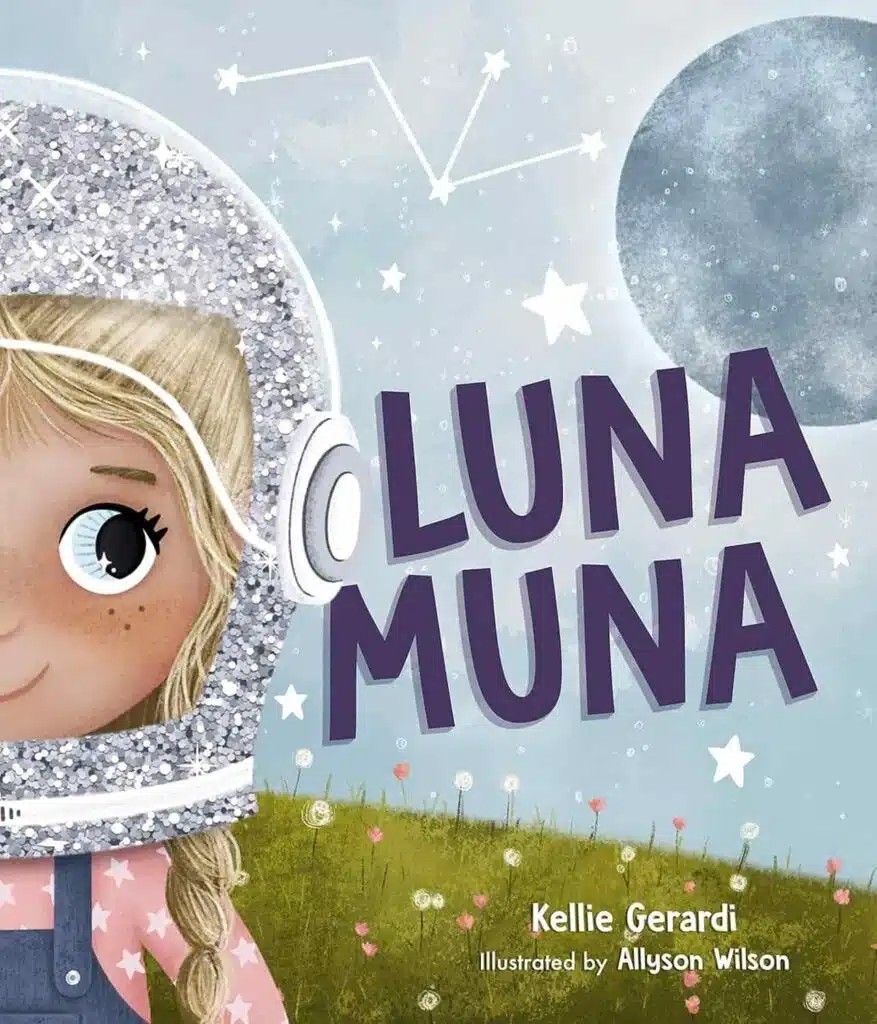
Luna Muna (Kellie Gerardi)
Follows Luna’s imaginative space adventures to inspire a love of astronomy while highlighting the specialness of Earth and home.
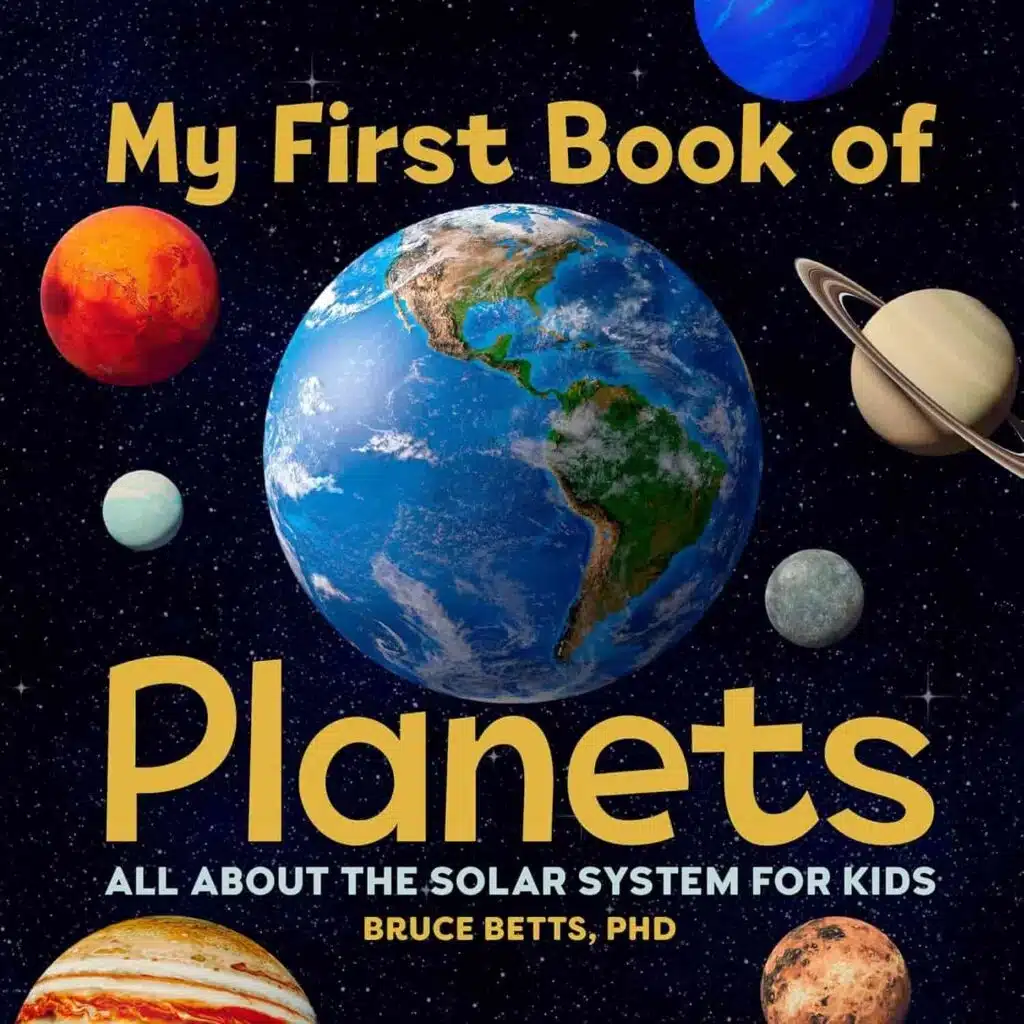
My First Book of Planets: All About the Solar System for Kids (Dr. Bruce Betts)
Explore the solar system with your first grader, from the bright and burning sun to the blue Earth to ice-capped Pluto and every planet in between.
More Science Fun For Kids:
- Easy Science Experiments for Kids to Do at Home: Explore a collection of simple and engaging experiments perfect for kids of all ages.
- Science Trivia Questions for Kids: Challenge your knowledge with these fun science trivia questions that are perfect for family game nights or classroom activities.
- Cold Weather Science Experiments: Discover the magic of science even in chilly weather with these cool, hands-on activities.
- 4th Grade Science Experiments: Take science learning to the next level with these exciting projects designed specifically for fourth graders.

Calie Herbst, Editor-in-Chief of Milwaukee With Kids, has spent over a decade combining her experiences as a parent of three to create a hub for Milwaukee’s family adventures.
Her decade-long teaching career in Milwaukee Public Schools and academic background, including a Master’s in Teaching from Marquette University and dual B.A.s in Sociology and Spanish from the University of Wisconsin – Madison, fuel her passion for inclusive and engaging family content.
Calie is also a recognized voice in local media, contributing to WISN Channel 12 News, WTMJ Wisconsin Morning News, Fox 6’s Real Milwaukee, and B93.3.
Discover more about Calie’s journey and editorial approach on her About Page and Editorial Policy Page.