


Save This For Later
Are you searching for Japanese names that mean light—names that capture brightness, hope, and positivity? In Japanese culture, light is a powerful symbol of renewal, clarity, and even spiritual enlightenment.
In this guide, we’ve gathered 50+ Japanese baby names that mean light, complete with Japanese characters, pronunciations, and cultural significance. You’ll find beautiful, bright options for baby girls, boys, and even gender-neutral names if you’re looking for something unisex.
👉 For even more inspiration, check out our full Baby Name Directory, filled with names organized by style, theme, and meaning
Beautiful Japanese Girl Names That Mean Light
Akari (あかり)
Pronunciation: Ah-kah-ree
Significance: Means “light” or “brightness.” A warm, comforting name often linked to lanterns and hope.
Hikari (光)
Pronunciation: Hee-kah-ree
Significance: Means “light” or “radiance.” A simple, elegant choice symbolizing purity, inspiration, and brightness.
Hotaru (蛍)
Pronunciation: Ho-tah-roo
Significance: Means “firefly.” Associated with summer evenings and the magical glow of fireflies.
Kirara (きらら)
Pronunciation: Kee-rah-rah
Significance: Means “sparkling” or “twinkling.” A delicate name suggesting brightness and elegance.
Chiaki (千灯)
Pronunciation: Chee-ah-kee
Significance: Means “a thousand lights.” Represents guidance, hope, and bringing light to others.
Hina (陽菜)
Pronunciation: Hee-nah
Significance: Means “sunlight” or “sunshine greens.” A cheerful name tied to warmth and positivity.
Kira (キラ)
Pronunciation: Kee-rah
Significance: Means “shining” or “glittering.” Popular for girls born in spring or summer.
Kaguya (かぐや)
Pronunciation: Kah-goo-yah
Significance: Means “radiant night.” Rooted in folklore (The Tale of the Bamboo Cutter), tied to the moon and light.
Okimi (沖美)
Pronunciation: Oh-kee-mee
Significance: Often written as “beautiful open sea.” While less common, it carries brightness and elegance.
Hisayo (久代)
Pronunciation: Hee-sah-yo
Significance: Means “long life generation.” Though rare, its kanji can also be tied to light and brightness.
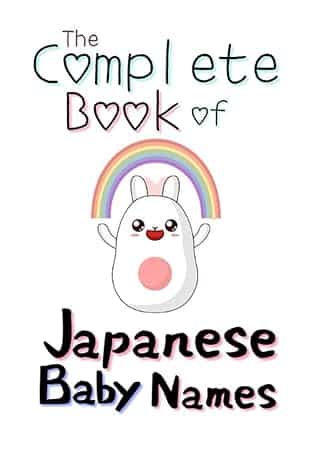
The Complete Book of Japanese Baby Names: Over 2000 Baby Names from Japan (Shinji Ota)
This book is filled with Japanese names and their meanings. Parents can look through many choices to find a name that feels right. It also gives insight into Japanese traditions and culture.
Asuka (明日香)
Pronunciation: Ah-soo-kah
Significance: Means “tomorrow’s fragrance.” Suggests the light of a new day, optimism, and fresh beginnings.
Saki (咲)
Pronunciation: Sah-kee
Significance: Means “bloom” or “flowering.” Flowers are often tied to growth, light, and beauty.
Ayaka (彩花)
Pronunciation: Ah-yah-kah
Significance: Means “colorful flower.” Represents radiance and the brightness of nature.
Chihiro (千尋)
Pronunciation: Chee-hee-roh
Significance: Means “a thousand searches.” Symbolizes seeking light through knowledge and understanding.
Hitomi (瞳)
Pronunciation: Hee-toh-mee
Significance: Means “pupil of the eye” or “pupil of light.” Tied to clarity and beauty.
Kagome (籠目)
Pronunciation: Kah-go-meh
Significance: Means “basket pattern.” Represents balance of light and shadow.
Kurumi (胡桃)
Pronunciation: Koo-roo-mee
Significance: Means “walnut.” Symbolizes natural radiance and brightness.
Akemi (明美)
Pronunciation: Ah-keh-mee
Significance: Means “bright beauty.” A classic, elegant name directly tied to light.
Amaterasu (天照)
Pronunciation: Ah-mah-teh-rah-soo
Significance: The Shinto sun goddess, meaning “shining in heaven.” A powerful mythological choice.
Akane (茜)
Pronunciation: Ah-kah-neh
Significance: Means “deep red” or “madder red.” Associated with the glow of sunset in Japanese poetry.
Nozomi (望)
Pronunciation: No-zo-mee
Significance: Means “hope” or “wish.” Symbolizes a shining future filled with light.
Airi (愛莉)
Pronunciation: Eye-ree
Significance: Means “love” + “jasmine.” Jasmine flowers are tied to brightness, purity, and light.
Megumi (恵)
Pronunciation: Meh-goo-mee
Significance: Means “blessing” or “grace.” Represents the gentle, nurturing quality of light.
Mei (芽依)
Pronunciation: Meh-ee
Significance: Means “sprout” or “bud.” Symbolizes growth, vitality, and new beginnings under the light.
Mika (美香)
Pronunciation: Mee-kah
Significance: Means “beautiful fragrance.” Suggests the sweet and radiant quality of light.
Misaki (美咲)
Pronunciation: Mee-sah-kee
Significance: Means “beautiful bloom.” Evokes the beauty and brightness of blossoming flowers.
Rina (莉奈)
Pronunciation: Ree-nah
Significance: Refers to “jasmine” or “white jasmine.” Jasmine flowers radiate purity and delicate light.
Sakura (さくら / 桜)
Pronunciation: Sah-koo-rah
Significance: Means “cherry blossom.” A beloved symbol of renewal, beauty, and fleeting light.
Miyako (美耶子)
Pronunciation: Mee-yah-koh
Significance: Means “beautiful night child.” Combines elegance with a subtle reference to light and beauty in darkness.
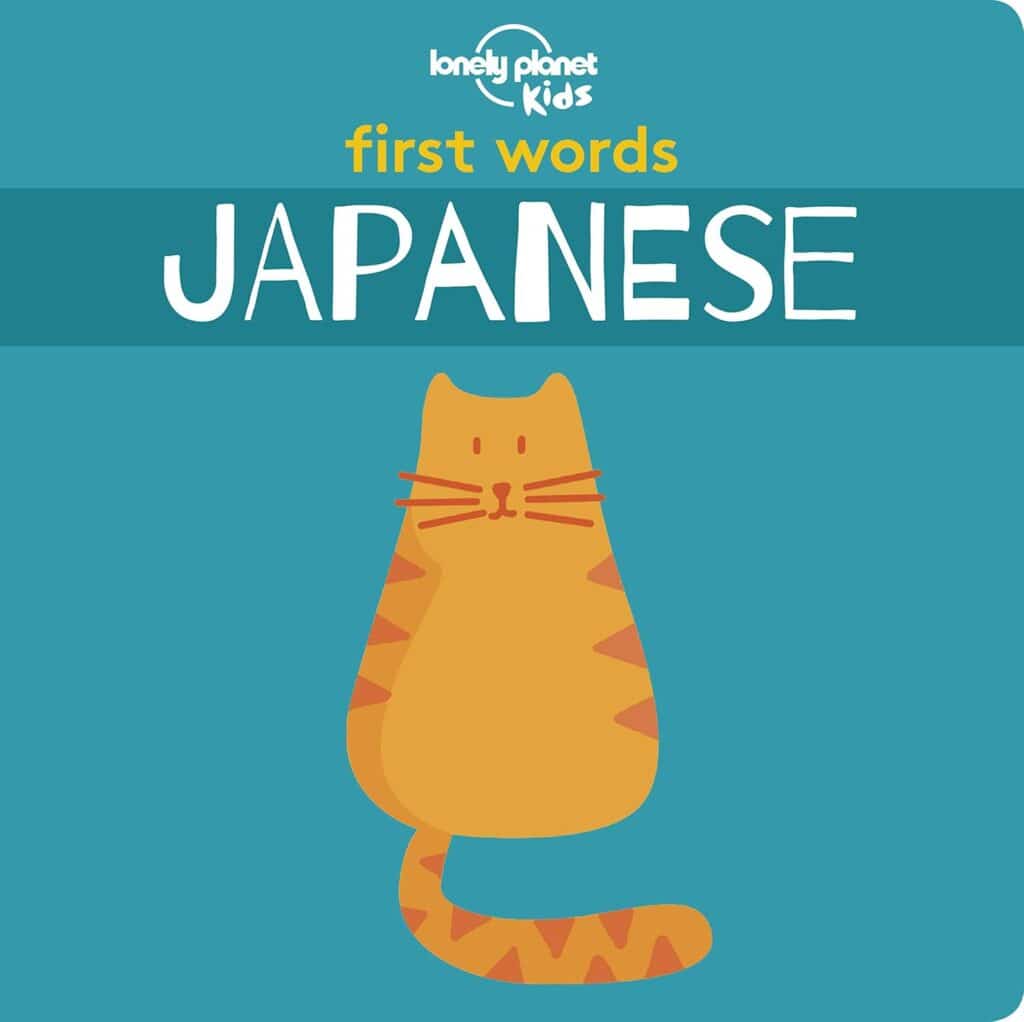
Lonely Planet Kids First Words – Japanese (Lonely Planet Kids)
A colorful book that introduces children to their first Japanese words. Each section shows everyday terms for things like food, animals, and numbers.
Megumi (恵)
Pronunciation: Meh-goo-mee
Significance: Means “blessing” or “grace.” Represents the gentle, nurturing quality of light.
Mei (芽依)
Pronunciation: Meh-ee
Significance: Means “sprout” or “bud.” Symbolizes growth, vitality, and new beginnings under the light.
Mika (美香)
Pronunciation: Mee-kah
Significance: Means “beautiful fragrance.” Suggests the sweet and radiant quality of light.
Misaki (美咲)
Pronunciation: Mee-sah-kee
Significance: Means “beautiful bloom.” Evokes the beauty and brightness of blossoming flowers.
Rina (莉奈)
Pronunciation: Ree-nah
Significance: Refers to “jasmine” or “white jasmine.” Jasmine flowers radiate purity and delicate light.
Sakura (さくら / 桜)
Pronunciation: Sah-koo-rah
Significance: Means “cherry blossom.” A beloved symbol of renewal, beauty, and fleeting light.
Miyako (美耶子)
Pronunciation: Mee-yah-koh
Significance: Means “beautiful night child.” Combines elegance with a subtle reference to light and beauty in darkness.

Japanese Boy Names That Mean Light
In Japanese culture, light is often associated with hope, clarity, and wisdom. If you’re looking for a meaningful name for your baby boy, a name that incorporates the concept of light could be a great choice. Here is a list of popular Japanese names for boys that have light in their meaning:
Akimitsu (秋光)
Pronunciation: Ah-kee-mee-tsoo
Significance: Means “autumn light.” Combines aki (autumn) and mitsu (light).
Akio (昭夫)
Pronunciation: Ah-kee-oh
Significance: Means “bright man” or “man of brightness.” Aki = bright/light, o = man.
Akira (明)
Pronunciation: Ah-kee-rah
Significance: Means “bright,” “clear,” or “intelligent.” A classic unisex name, common for boys.
Akito (暁人)
Pronunciation: Ah-kee-toh
Significance: Means “person of the dawn.” Aki = dawn, to = person.
Dai (大)
Pronunciation: Dye
Significance: Means “big” or “great.” A short, powerful name often linked with strength and brightness.
Daiki (大輝)
Pronunciation: Dye-kee
Significance: Means “great radiance.” Dai = great, ki = radiance.
Haruto (陽翔)
Pronunciation: Hah-roo-toh
Significance: Means “soaring in the sun.” Haru = sun, to = soar/fly.
Hideaki (英明)
Pronunciation: Hee-deh-ah-kee
Significance: Means “excellent brightness.” Hide = excellent, aki = brightness.
Hiromitsu (広光)
Pronunciation: Hee-roh-mee-tsoo
Significance: Means “broad light.” Hiro = broad, mitsu = light.
Kiyoshi (清)
Pronunciation: Kee-yoh-shee
Significance: Means “pure” or “clean.” A well-loved unisex name.
Masaki (正樹)
Pronunciation: Mah-sah-kee
Significance: Means “righteous tree.” Masa = righteous, ki = tree.

Sumo Shapes: (Shape Books for Toddlers 1-3) (Little Sumo) (Sanae Ishida)
In this playful book, sumo wrestlers act out different shapes in silly ways. Their poses and movements make it fun for kids to learn early math. The mix of humor and learning keeps young readers engaged.
Mitsu (光)
Pronunciation: Mee-tsoo
Significance: Means “light.” A simple, timeless choice.
Mitsunobu (光信)
Pronunciation: Mee-tsoo-no-boo
Significance: Means “faith in light.” Mitsu = light, nobu = faith.
Rai (雷)
Pronunciation: Rye
Significance: Means “thunder” or “thunder god.” Unisex, but more common for boys; tied to the god of thunder and lightning.
Yoshiaki (芳明)
Pronunciation: Yoh-shee-ah-kee
Significance: Means “fragrant brightness.” Yoshi = fragrant/pleasant, aki = brightness.
Haruki (陽輝)
Pronunciation: Hah-roo-kee
Significance: Means “shining sun” or “radiance of the sun.” Haru = sun, ki = shine/radiance.
Teruo (輝夫)
Pronunciation: Teh-roo-oh
Significance: Means “man of radiance.” Teru = shine/illuminate, o = man.
Nobuaki (信明)
Pronunciation: No-boo-ah-kee
Significance: Means “faithful brightness.” Nobu = faith, aki = bright.
Tomohiko (智彦)
Pronunciation: To-mo-hee-koh
Significance: Means “wise boy of light.” Tomo = wisdom, hiko = boy/child.
Akihiko (明彦)
Pronunciation: Ah-kee-hee-koh
Significance: Means “bright prince” or “boy of light.” Aki = bright, hiko = boy.
Teruhiko (輝彦)
Pronunciation: Teh-roo-hee-koh
Significance: Means “shining boy.” Teru = shine, hiko = boy.
Mitsuo (光雄)
Pronunciation: Mee-tsoo-oh
Significance: Means “hero of light.” Mitsu = light, o = male/hero.
Akifumi (明文)
Pronunciation: Ah-kee-foo-mee
Significance: Means “bright writing” or “light of literature.” Aki = bright, fumi = writing/scholarship.
Teruyuki (輝幸)
Pronunciation: Teh-roo-yoo-kee
Significance: Means “shining happiness.” Teru = shine, yuki = happiness.
Koharu (小陽)
Pronunciation: Koh-hah-roo
Significance: Traditionally feminine, but sometimes used for boys. Means “little sun” or “late spring sunlight.”

Gender-Neutral Japanese Names That Mean Light
As society evolves, many people are embracing gender-neutral options for their child’s name. In Japan, unisex names have been a part of the culture for centuries, and there are many beautiful and meaningful options to choose from. Here is a list of unisex Japanese names that mean light, along with their Kanjim pronunciation, and meaning.
Niko (ニコ)
Pronunciation: Nee-koh
Significance: Means “daylight” or “sunlight.” Simple and cheerful, often linked with warmth and optimism.
Kiran (キラン)
Pronunciation: Kee-rahn
Significance: Means “beam of light” or “sunbeam.” Associated with brightness, radiance, and hope.
Teru (照 / 輝 / テル)
Pronunciation: Teh-roo
Significance: Means “shining” or “bright.” Depending on kanji, it can also mean “to illuminate” or “to know.”
Hinata (ひなた / ヒナタ)
Pronunciation: Hee-nah-tah
Significance: Means “sunny place” or “facing the sun.” A warm, positive name for boys or girls.
Haru (はる / ハル)
Pronunciation: Hah-roo
Significance: Can mean “spring” or “clear weather.” A fresh, nature-inspired choice that works for any gender.
Akiara (アキアラ)
Pronunciation: Ah-kee-ah-rah
Significance: Means “bright autumn.” Evokes seasonal beauty and radiance.
Akina (明奈 / アキナ)
Pronunciation: Ah-kee-nah
Significance: Means “bright flower.” Gentle yet vivid, blending nature and light.
Akio (昭夫 / アキオ)
Pronunciation: Ah-kee-oh
Significance: Means “bright person” or “man of light.” Traditionally masculine, but also used as unisex.
Haruki (陽輝 / ハルキ)
Pronunciation: Hah-roo-kee
Significance: Means “shining brightly” or “springtime radiance.” A modern favorite for both boys and girls.
Hikari (光 / ヒカリ)
Pronunciation: Hee-kah-ree
Significance: Means “light” or “radiance.” One of the most popular unisex names tied to brightness.
Hikaru (光 / ヒカル)
Pronunciation: Hee-kah-roo
Significance: Means “shining” or “radiant.” Widely used for both genders in Japan.

Sashiko’s Stitches (Sanae Ishida)
A touching tale about a girl who solves problems with her sewing needle. Each stitch she makes brings a little bit of help and hope. The story shows how imagination and kindness can make a difference.
Kiri (霧 / キリ)
Pronunciation: Kee-ree
Significance: Means “mist” or “fog,” often linked with the poetic idea of a “light veil.”
Kosuke (光祐 / コスケ)
Pronunciation: Koh-soo-keh
Significance: Means “rising sun” or “help of light.” A strong, uplifting unisex option.
Maki (真輝 / マキ)
Pronunciation: Mah-kee
Significance: Means “true light.” A straightforward but radiant choice.
Misaki (美咲 / ミサキ)
Pronunciation: Mee-sah-kee
Significance: Means “blossom by the light of the beautiful moon.” Gentle, poetic, and romantic.
Aki (秋 / 明 / 彬 / 昭)
Pronunciation: Ah-kee
Significance: A versatile unisex name with many meanings depending on kanji: “autumn,” “bright,” “refined,” or “shining.”
Japanese names that mean “light” are a beautiful way to capture hope, clarity, and renewal in your child’s name. With over 50 options to explore – spanning girl, boy, and unisex choices – you’ll find names rooted in nature (Akira, Hikari), mythology (Kaguya, Amaterasu), and timeless tradition.
Whether you’re drawn to a popular choice like Akari or a rarer gem like Chiaki, each name carries its own story and symbolism, offering a meaningful connection to Japanese culture.
I hope this guide helps you on your journey to finding the perfect name!
Related Posts:
- Japanese Baby Names That Mean “Star”
- Japanese Baby Names That Mean “Shadow”
- Japanese Names That Mean “Flower”
- More Baby Names That Mean “Light”

Calie Herbst, Editor-in-Chief of Milwaukee With Kids, has spent over a decade combining her experiences as a parent of three to create a hub for Milwaukee’s family adventures.
Her decade-long teaching career in Milwaukee Public Schools and academic background, including a Master’s in Teaching from Marquette University and dual B.A.s in Sociology and Spanish from the University of Wisconsin – Madison, fuel her passion for inclusive and engaging family content.
Calie is also a recognized voice in local media, contributing to WISN Channel 12 News, WTMJ Wisconsin Morning News, Fox 6’s Real Milwaukee, and B93.3.
Discover more about Calie’s journey and editorial approach on her About Page and Editorial Policy Page.