
Save This For Later
Kids notice everything.
And sometimes, their curiosity shows up at full volume in the grocery store line… or at the park… or during swim lessons.
If your child has ever blurted out a question about someone’s wheelchair, limb difference, mobility device, or appearance, you’re not alone. These moments can feel awkward, but they’re also meaningful opportunities to teach kindness, respect, and confidence.
Here’s a simple, supportive guide to help you respond in the moment — and build understanding long before the questions come up.
Why Curiosity Is Normal
Children learn by watching, asking, and naming what they see.
Noticing differences — whether it’s glasses, braces, skin tone, or a disability — is a natural part of how kids make sense of the world.
Our goal as adults isn’t to shut down their curiosity, but to guide it.
When parents respond calmly and respectfully, kids learn that differences are nothing to whisper about — they’re simply part of being human.
What to Say in the Moment
If your child asks a loud or unexpected question, you can keep things warm, calm, and simple. Here are a few easy scripts:
- “That’s a great question. People’s bodies all work in different ways.”
- “Let’s make sure we’re being respectful while we talk about it.”
- “If the person is okay with it, we can ask them nicely.”
Many people with disabilities welcome polite questions over the awkwardness of being stared at.
A simple, respectful approach might sound like:
- “Hi! My child noticed your wheelchair and had some questions. Are you comfortable sharing about it?”
If they say yes — great.
If not — you’ve modeled respect and consent.
Teach empathy like it’s a superpower using our essential parenting tips.
How to Explain Disabilities to Kids
You don’t need a perfect script or a medical explanation.
Kids just need clear, developmentally appropriate language.
Here are some simple ways to frame it:
For toddlers and preschoolers
- “Some people use wheelchairs to help their bodies move.”
- “His arm looks different, and that’s okay. Everyone’s body is unique.”
- “She communicates in her own way, and we’re going to be patient while she does.”
For elementary-aged kids
- “A disability is just something that makes a person’s body or brain work differently. It doesn’t tell you anything about who they are.”
- “Tools like wheelchairs, walkers, hearing aids, and service dogs help people do things that are harder to do without them.”
For preteens and older kids
- “Disabilities can be visible or invisible. The most important thing is treating everyone with respect and listening to how they want to be supported.”
- “If you’re ever unsure how to help, you can always ask.”
Want more empathy inspiration? Check out these Empathy Quotes For Kids.
Keep the Conversation Going
Talking about disabilities isn’t a one-time lesson. You can build comfort and understanding in small, everyday ways:
1. Model the behavior you want to see
Kids learn from how you greet, help, and include people around you.
- Make eye contact.
- Say hello.
- Hold doors.
- Include children of all abilities during playdates and group activities.
2. Normalize questions
Later in private, you might say:
- “I’m glad you noticed and asked a question. People have lots of different abilities, and that’s part of what makes the world interesting.”
3. Use books and stories
Children’s books featuring disabled characters can make these conversations feel natural and positive.
4. Encourage empathy
Not sympathy — empathy.
The difference is simple:
- Sympathy: “That must be hard.”
- Empathy: “Everyone deserves kindness and respect.”
When You Don’t Know the Answer
Good news:
You don’t need to know everything.
You can simply say:
- “I’m not sure, but we can learn more together.”
- “Let’s look up how this tool or device helps people.”
Curiosity + kindness = the goal.
A Quick Note About Privacy
Some kids may want to ask personal questions.
You can gently remind them:
- “Let’s give people privacy about their bodies and health.”
- “If someone wants to share, they’ll let us know.”
This helps kids build boundaries and respect.
Why These Conversations Matter
When parents support curiosity instead of shushing it, kids learn:
- confidence around people with disabilities
- comfort with differences
- respectful communication
- openness and empathy
These are skills they’ll use their whole lives — in school, friendships, family, and the community.
Related Resources for Local Families
If you’re looking for more ways to help your kids build empathy and understanding, you may also enjoy:
- Sensory-Friendly Performances at First Stage
- Resources for Special Needs Kids Around Milwaukee
- Community Service Ideas for Kids in Milwaukee
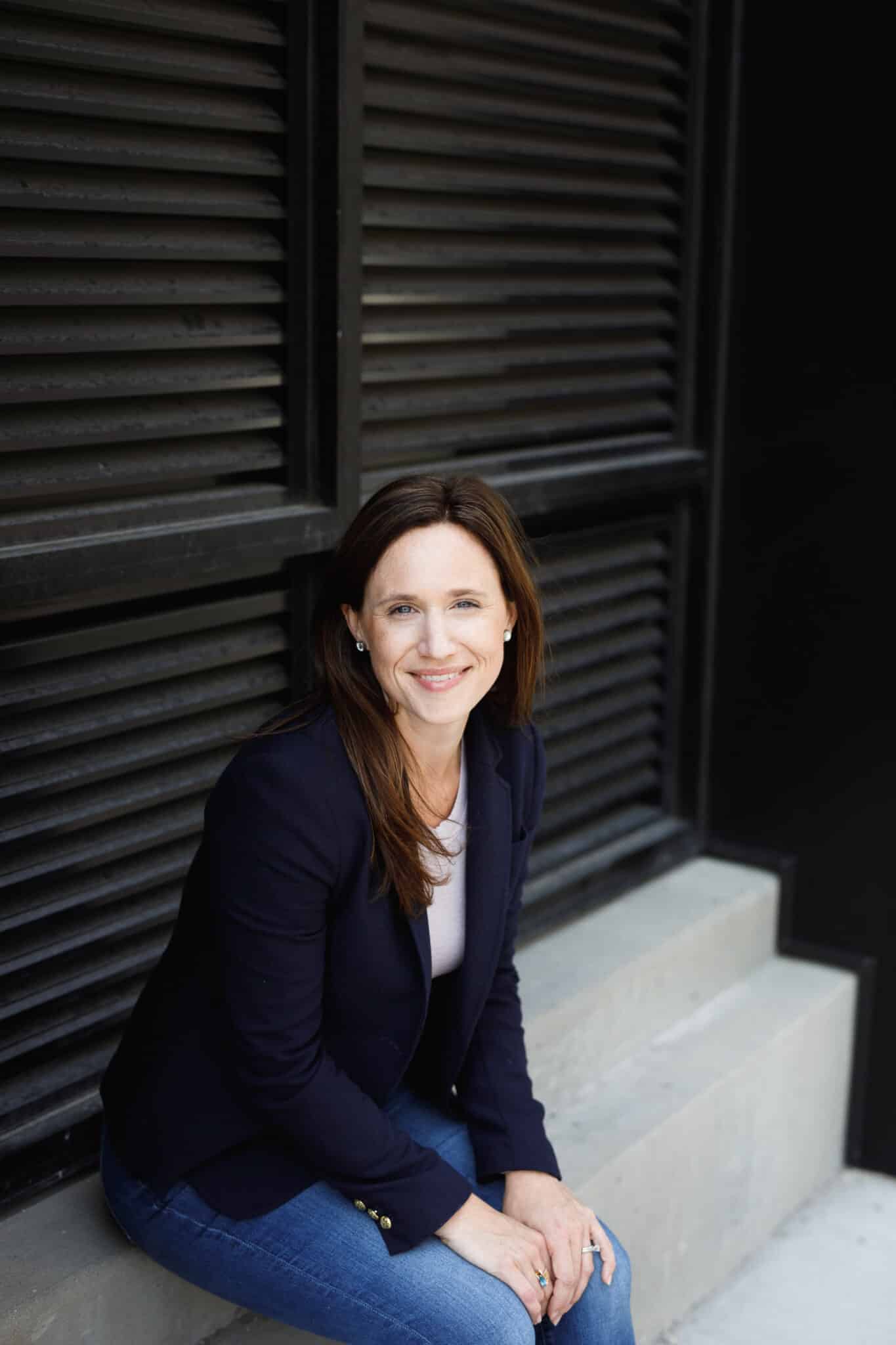
Calie Herbst, Editor-in-Chief of Milwaukee With Kids, has spent over a decade combining her experiences as a parent of three to create a hub for Milwaukee’s family adventures.
Her decade-long teaching career in Milwaukee Public Schools and academic background, including a Master’s in Teaching from Marquette University and dual B.A.s in Sociology and Spanish from the University of Wisconsin – Madison, fuel her passion for inclusive and engaging family content.
Calie is also a recognized voice in local media, contributing to WISN Channel 12 News, WTMJ Wisconsin Morning News, Fox 6’s Real Milwaukee, and B93.3.
Discover more about Calie’s journey and editorial approach on her About Page and Editorial Policy Page.