
Save This For Later
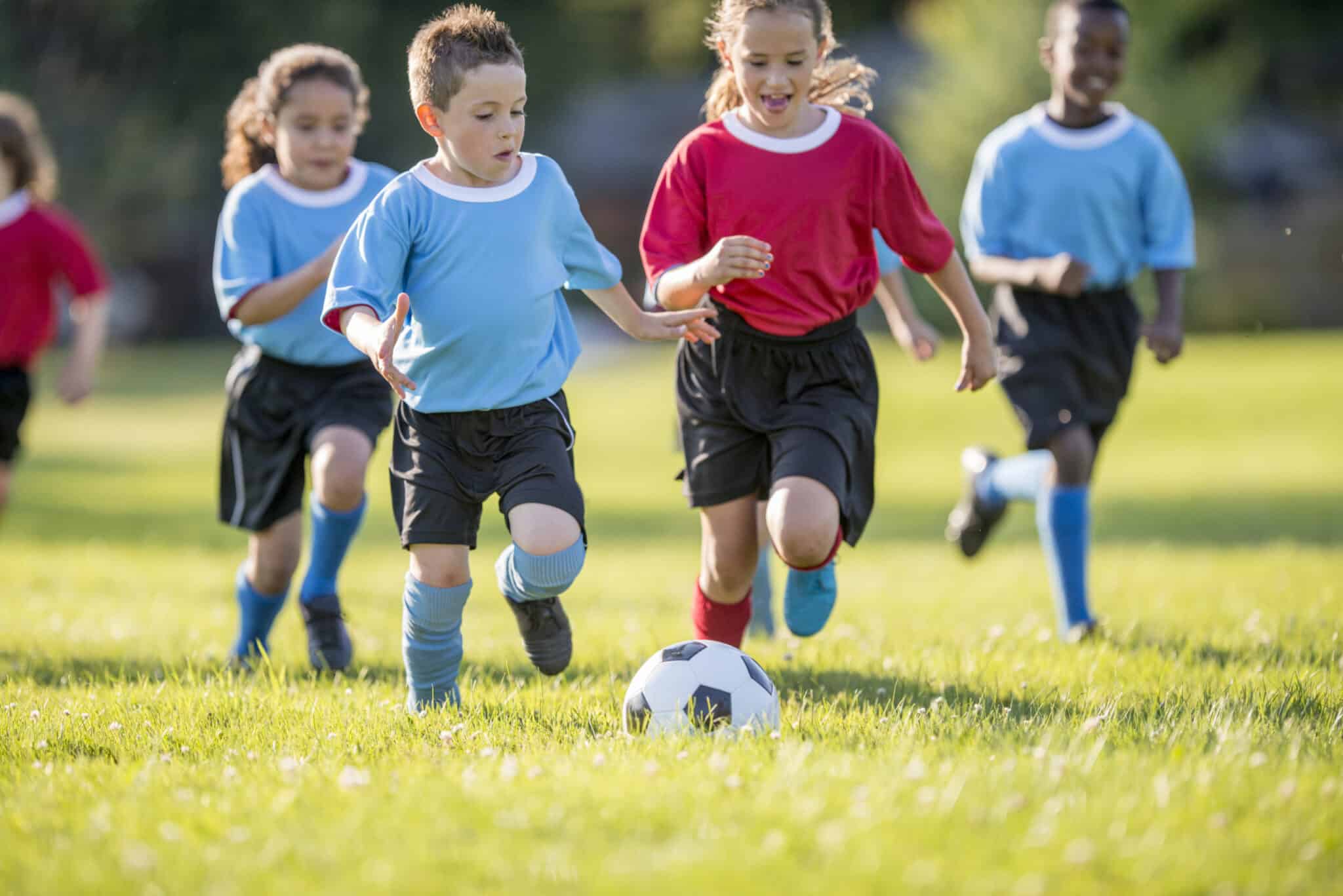
Youth sports are in full swing across Milwaukee and beyond, and for many families, the goal goes far beyond winning games. Sports can help kids learn respect, resilience, teamwork, and how to handle both success and disappointment — but only if we intentionally teach those skills.
After working with kids for more than 20 years as a teacher, camp counselor, and parent, I’ve seen how powerful good sportsmanship can be. I’ve also seen how tough it is for kids (and parents!) to stay calm when emotions run high.
Here are simple, effective ways to teach sportsmanship at home, on the sidelines, and after the game — no lectures required.
Build character both on the field and in the classroom using our Back To School Guide For Families.
1. Explain What Good Sportsmanship Looks Like (With Real Examples)
Kids learn best when expectations are clear and concrete. Try giving examples they can picture:
Show respect by:
- Listening to coaches
- Saying “good game” to opponents
- Accepting referee calls, even the tough ones
Show teamwork by:
- Cheering for others
- Celebrating shared wins
- Supporting teammates after mistakes
Show character by:
- Winning without bragging
- Losing without blaming
- Staying positive through frustration
The more specific you are, the easier it is for kids to practice those behaviors on the field.
2. Model the Behavior You Want Your Child to Use
Kids watch everything — even when you think they’re laser-focused on the game.
On the sidelines, try to model:
- Cheering for effort, not outcomes
- Staying calm during bad calls
- Encouraging all players, not just your child
- Thanking coaches and volunteers
This helps normalize positive sideline behavior and gives kids a real example to follow.
3. Support the Coach (Even If You Disagree Sometimes)
Mixed messages can confuse kids and undermine the coach’s role.
A simple rule helps:
Coaches coach. Parents encourage.
If your child has concerns, guide them to talk to the coach respectfully — an essential life skill.
4. Praise Progress, Not Just Results
Results fade quickly. Growth lasts.
Try praising things like:
- Effort and hustle
- Patience and composure
- Kindness toward teammates
- Trying a new position
- Recovering from a mistake
This helps kids build confidence based on who they are, not just the scoreboard.
5. Keep Sports Fun — Especially for Kids Under 12
Before middle school, the goal should be:
- skill-building
- friendships
- movement
- confidence
Not rankings or stats.
As youth coach Conor Porter says:
“Development should be the only yardstick at this age.”
If your child is having fun, they’re far more likely to stay active and motivated over time.
Frequently Asked Questions
Sportsmanship means playing fair, showing respect, and handling wins and losses with kindness. It helps kids build emotional regulation, teamwork skills, and resilience.
Use simple examples: cheering for teammates, saying “good game,” keeping hands to yourself, and being kind even when you’re disappointed.
Normalize it. Remind them that every athlete (even professionals) loses sometimes. Focus on effort, improvement, and what they enjoyed about the game.
Offer encouragement, avoid pressure, celebrate small wins, and let them try different sports until they find one they love.
Related Reads
- The Ultimate Back-to-School Checklist for Parents
- 5 Practical Back-to-School Tips From Teachers
- 10 Back-To-School Hacks to Save You Time
And to find some fun classes and activities for kids, check out our Kids Activity Guide.

Calie Herbst, Editor-in-Chief of Milwaukee With Kids, has spent over a decade combining her experiences as a parent of three to create a hub for Milwaukee’s family adventures.
Her decade-long teaching career in Milwaukee Public Schools and academic background, including a Master’s in Teaching from Marquette University and dual B.A.s in Sociology and Spanish from the University of Wisconsin – Madison, fuel her passion for inclusive and engaging family content.
Calie is also a recognized voice in local media, contributing to WISN Channel 12 News, WTMJ Wisconsin Morning News, Fox 6’s Real Milwaukee, and B93.3.
Discover more about Calie’s journey and editorial approach on her About Page and Editorial Policy Page.